Founded in 1923 in Chelsea by Barney Pressman, Barneys New York began as a small menswear store and grew into a fashion institution known for its curated couture collections and theatrical window displays.
Under Fred Pressman’s leadership, the company expanded its reach and served a more elevated market. The Madison Avenue flagship, which opened in 1993, became a landmark for the brand and a lasting presence within New York culture across film, television, and fashion media.
A Flagship Ready for Renewal
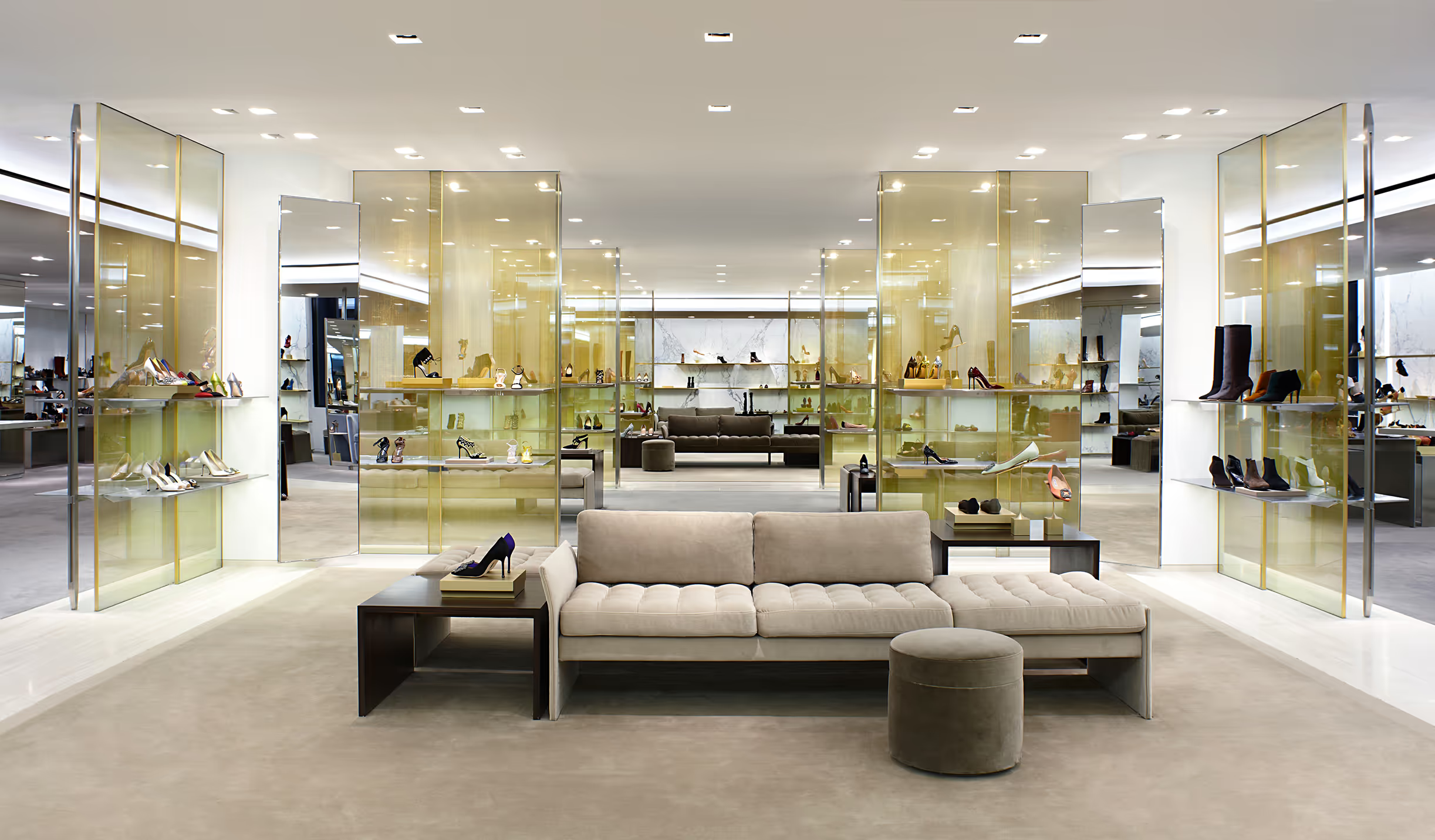
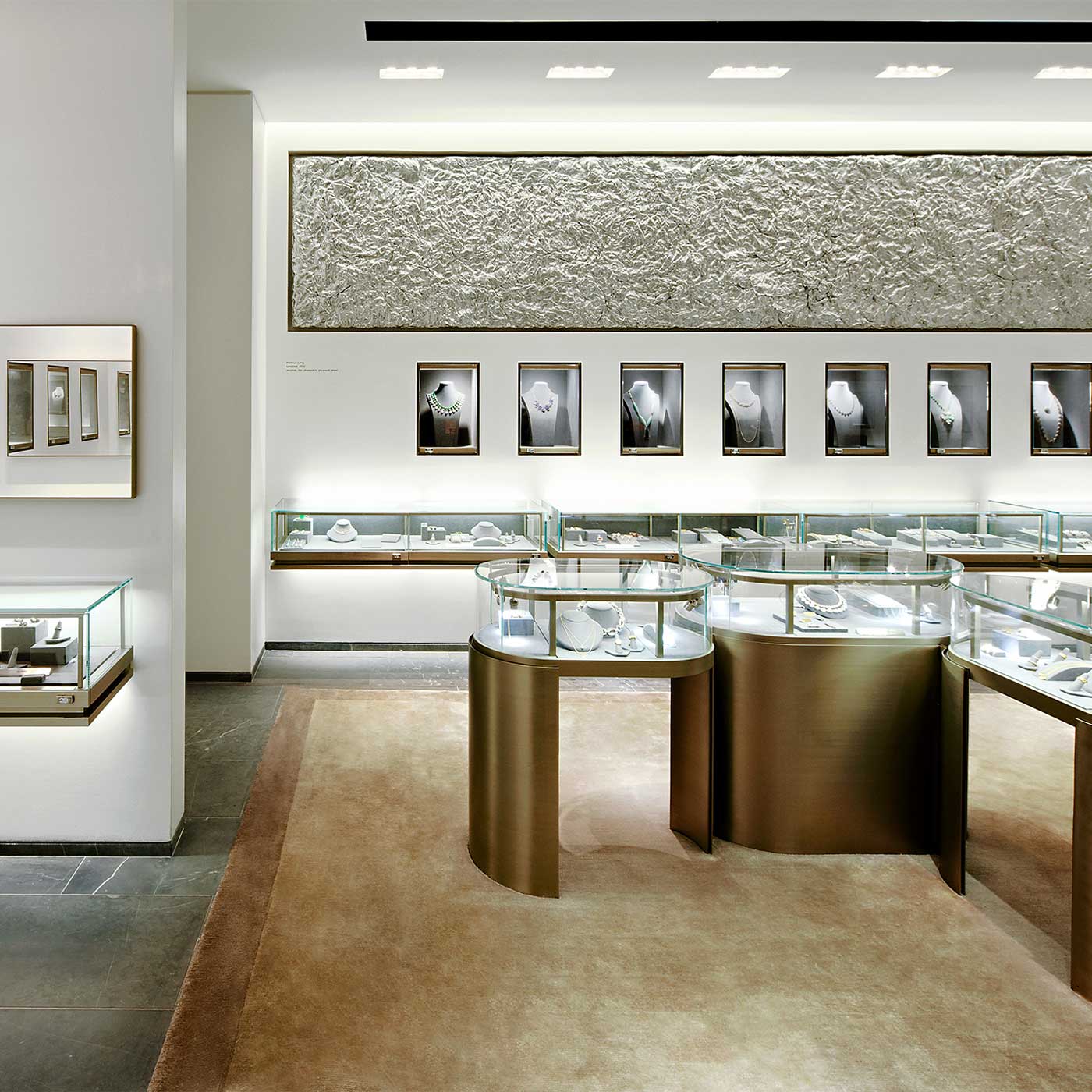
Our team reimagined the Madison Avenue flagship, aligning the spatial retail experience with Barneys New York’s evolving identity and its role as a destination for a discerning clientele.
The multi floor renovation follows a disciplined and restrained architectural language that keeps the customer journey at the center rather than the architecture itself.
Minimal Language Informed by Modernism
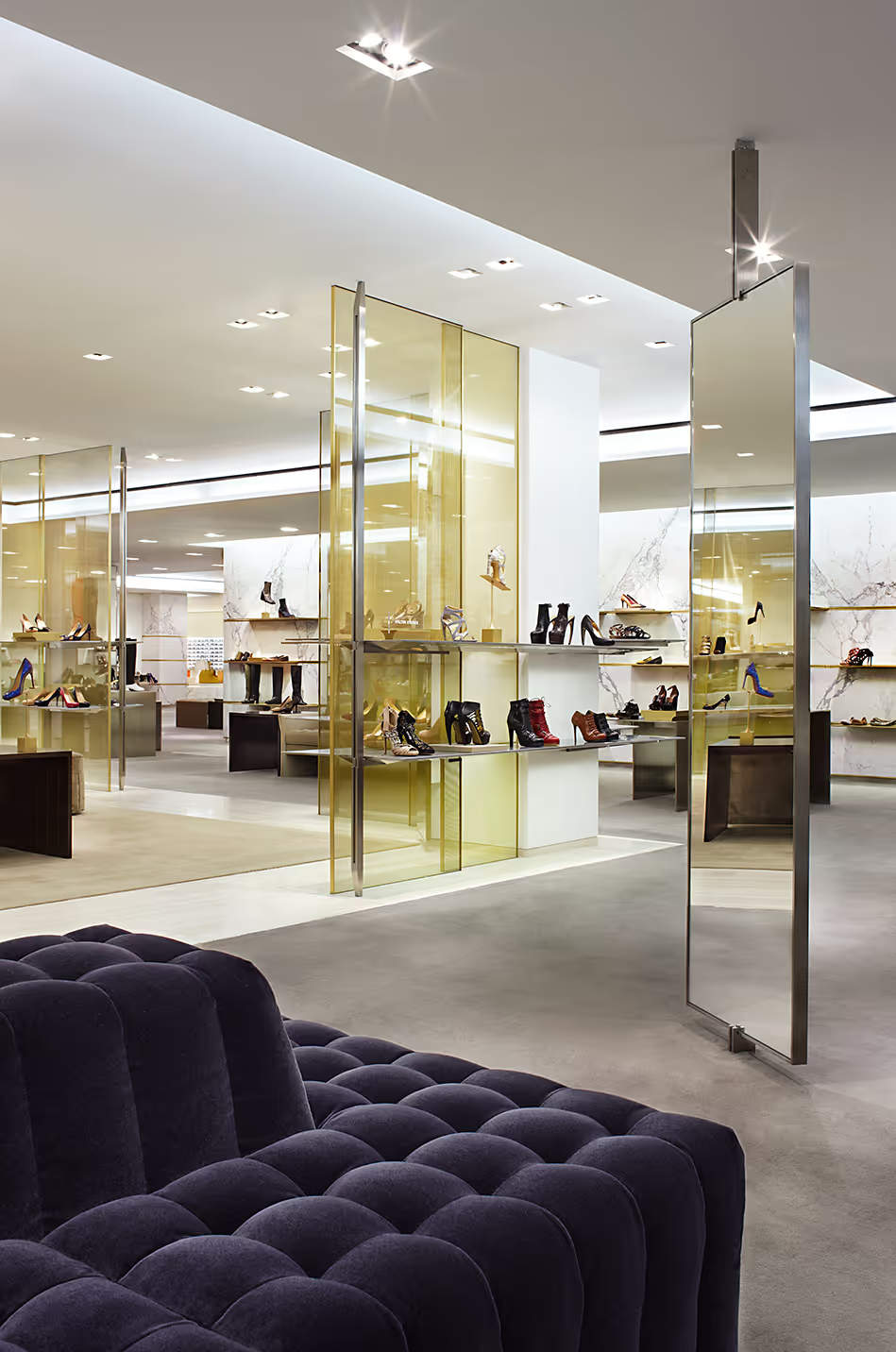
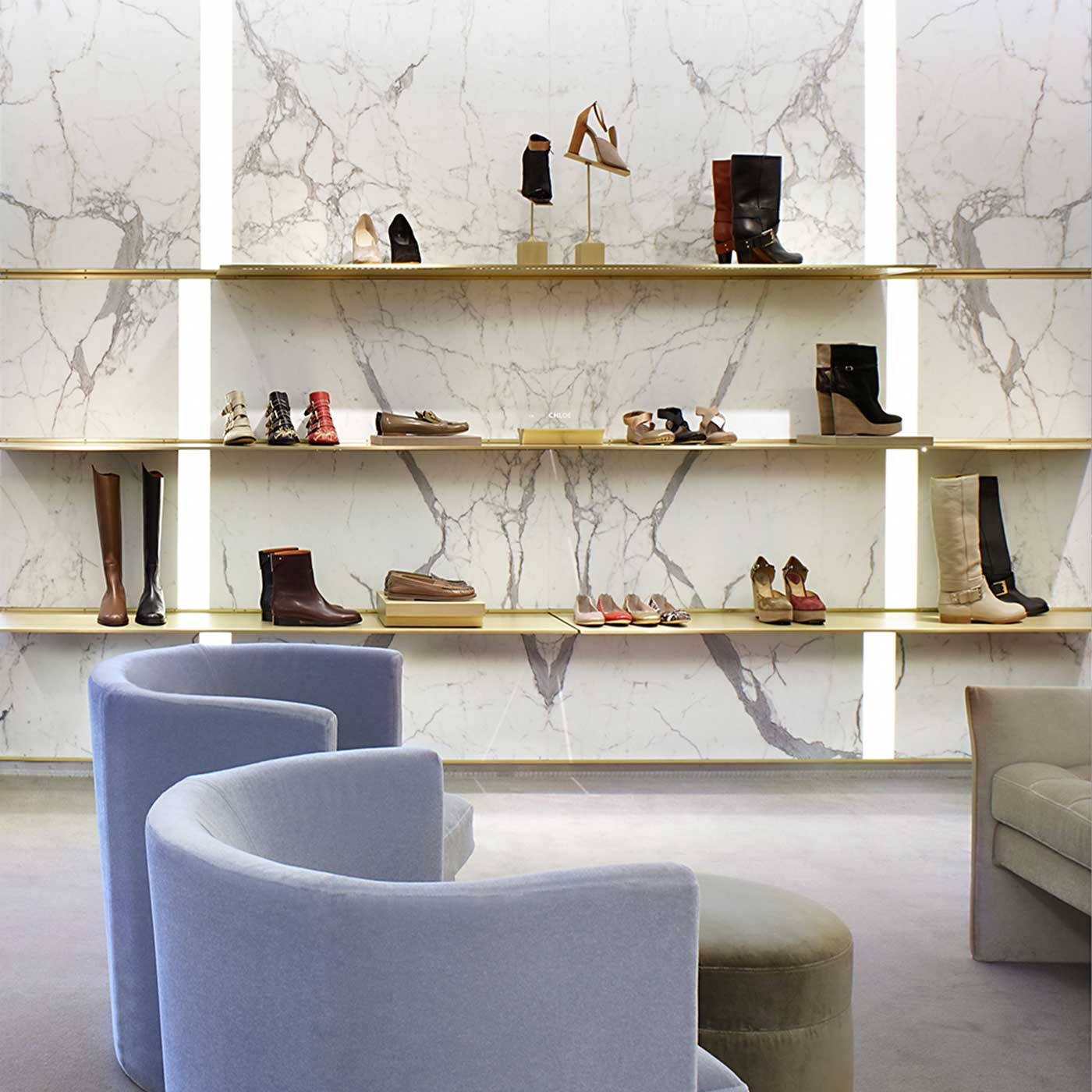
The retail journey drew inspiration from Italian architects of the 1970s, using clear sightlines, controlled lighting, and material clarity to keep the merchandise as the central focus.
This influence guided our commitment to reducing excess and simplifying the environment to create interiors that feel enduring and precise, creating a shopping experience grounded in the idea that time is the ultimate form of luxury.
Precision In the Details
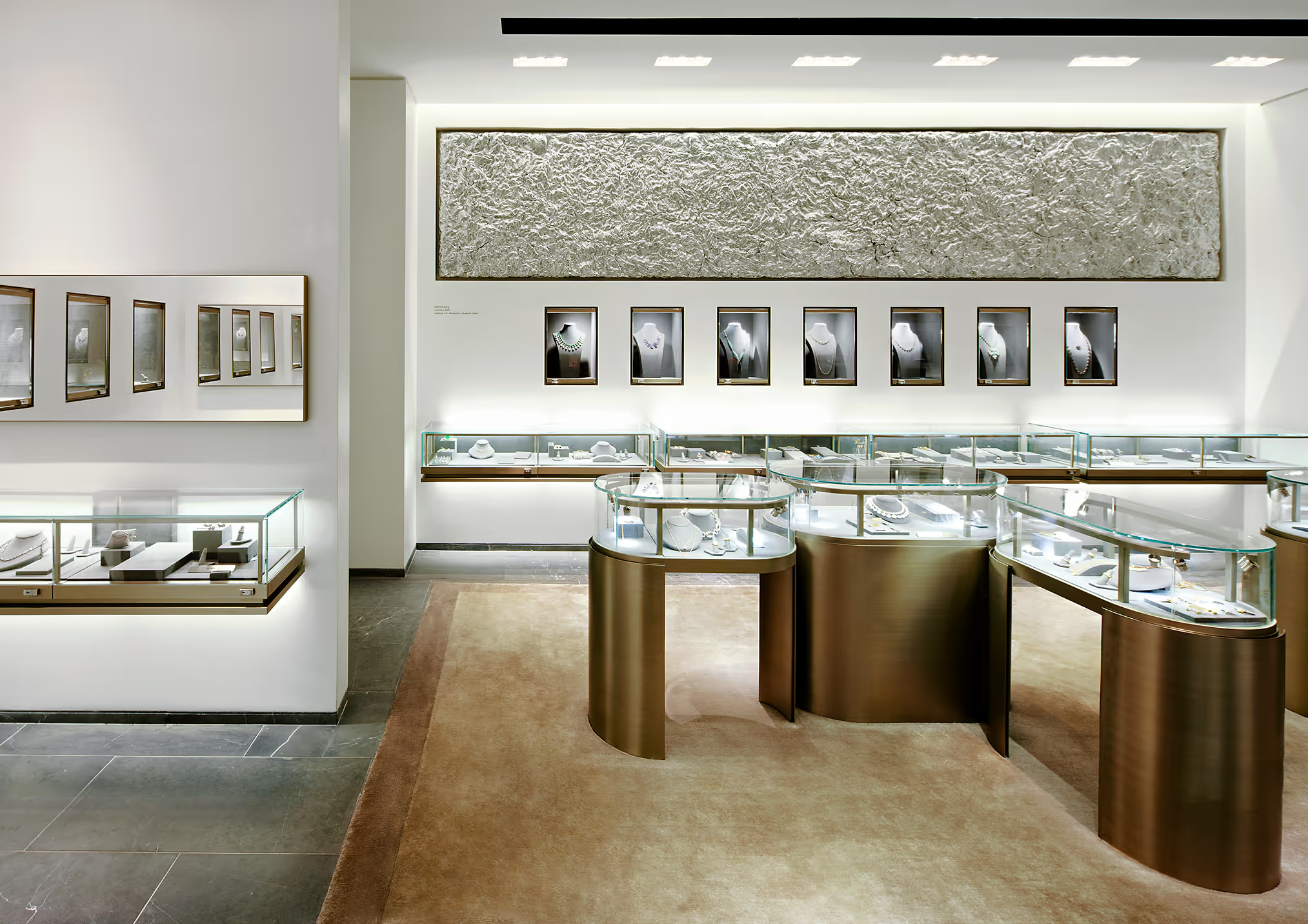
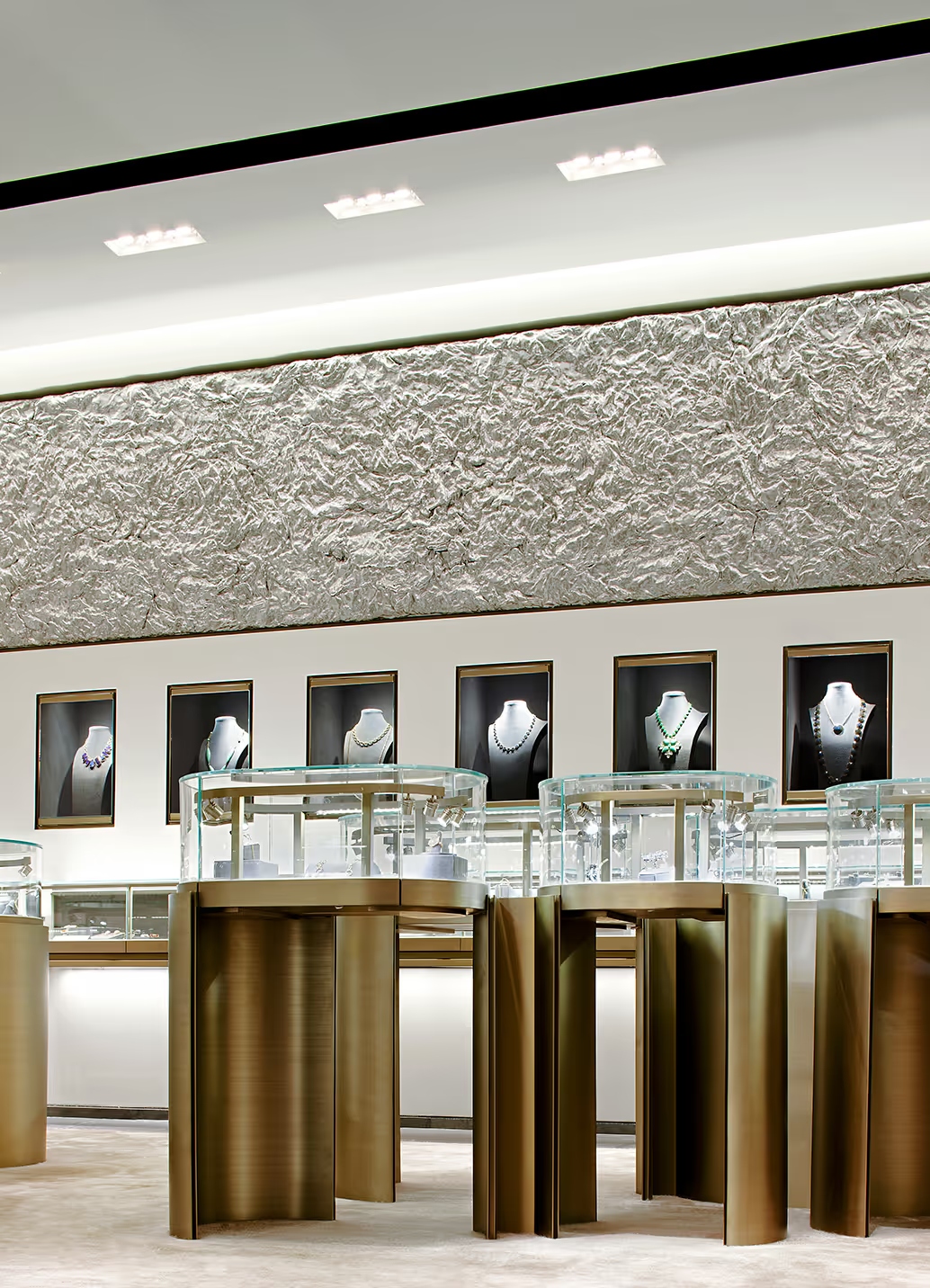
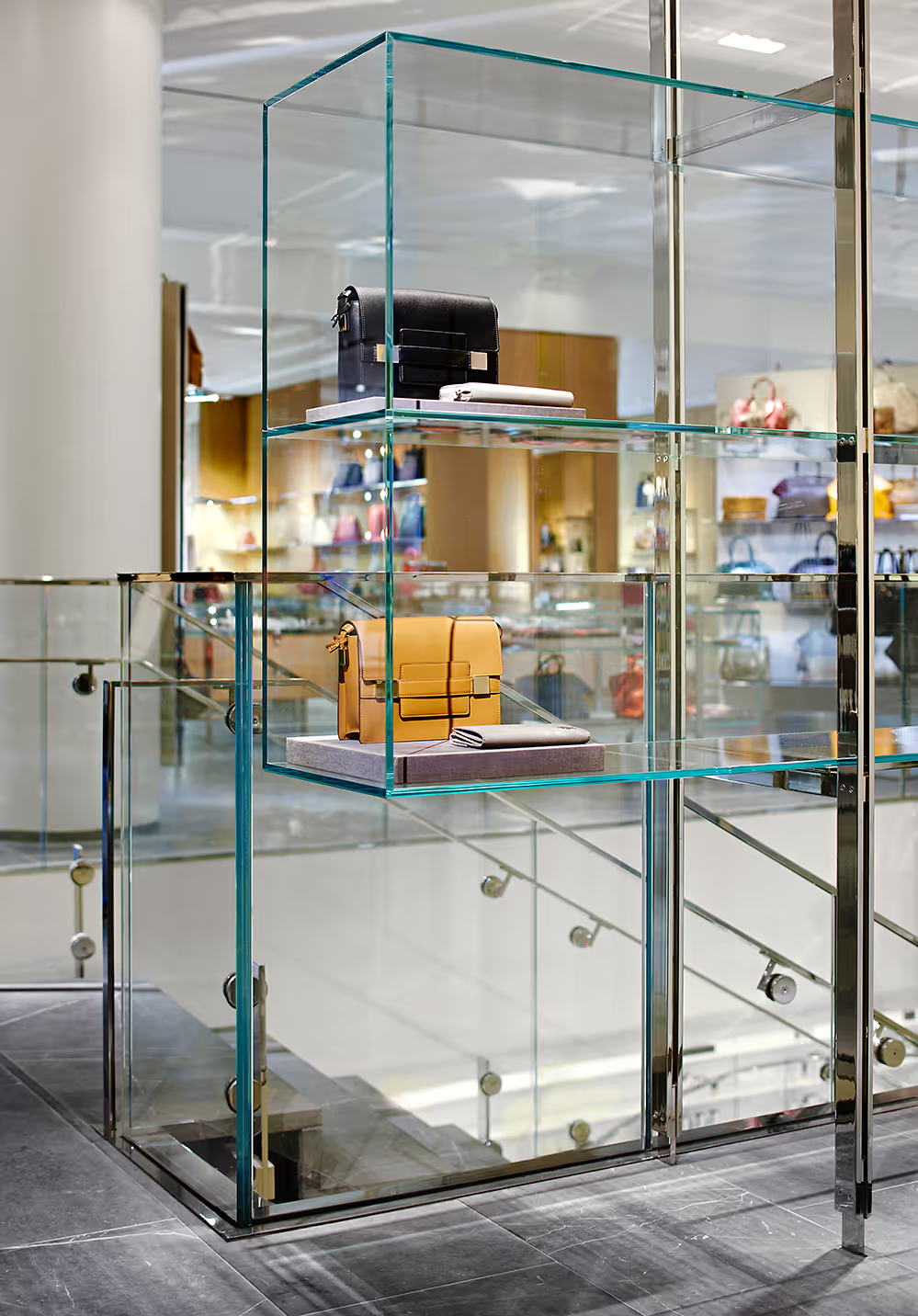
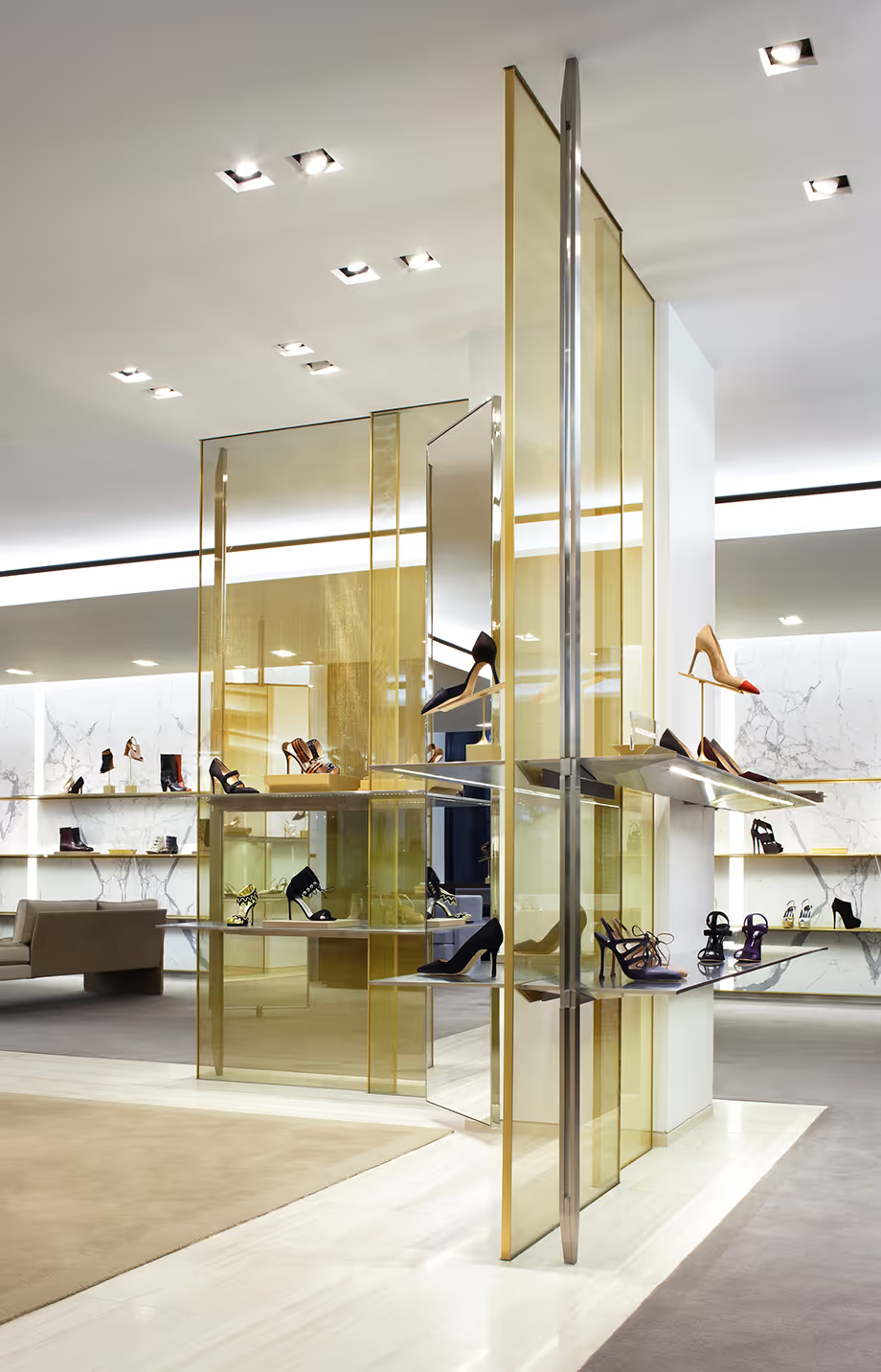
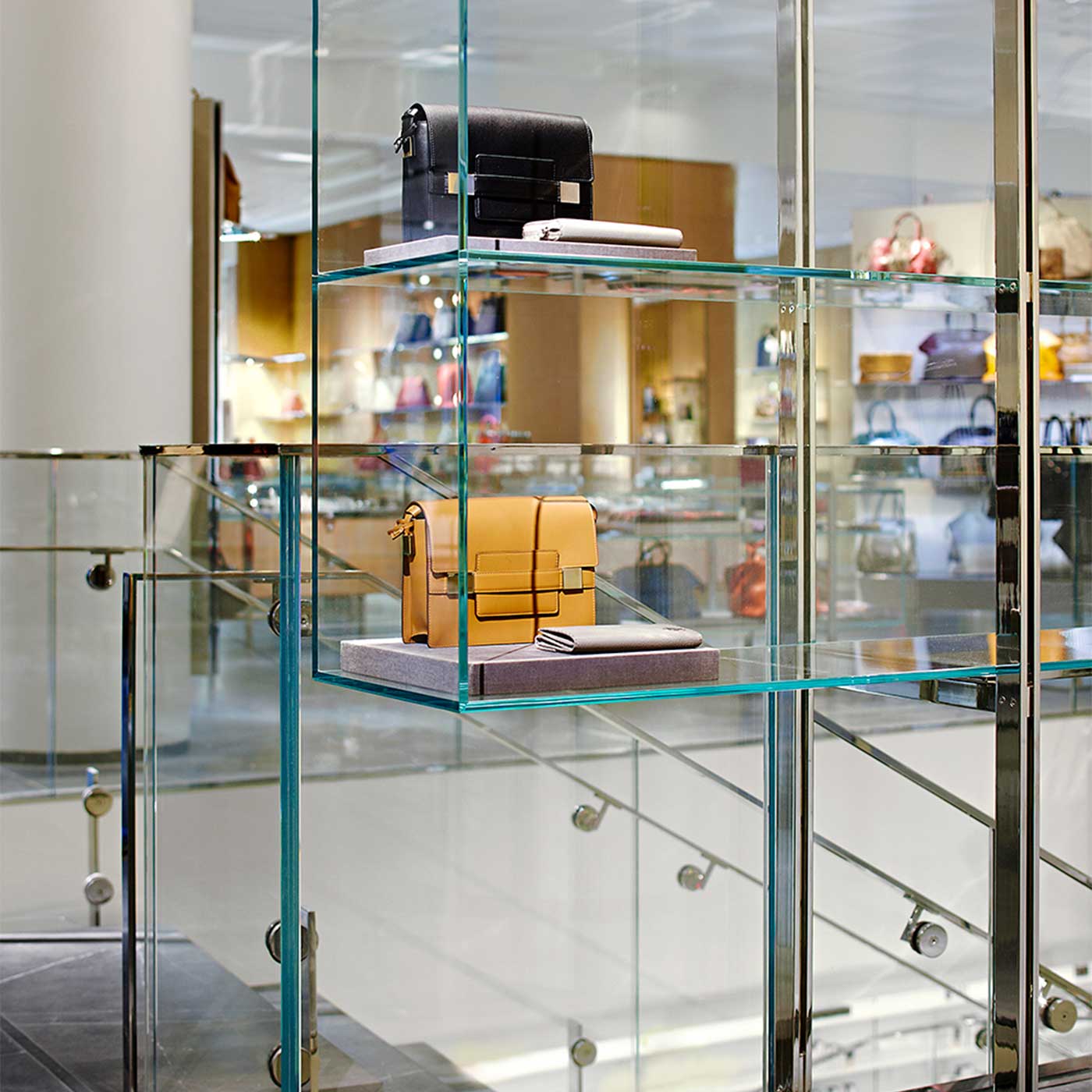
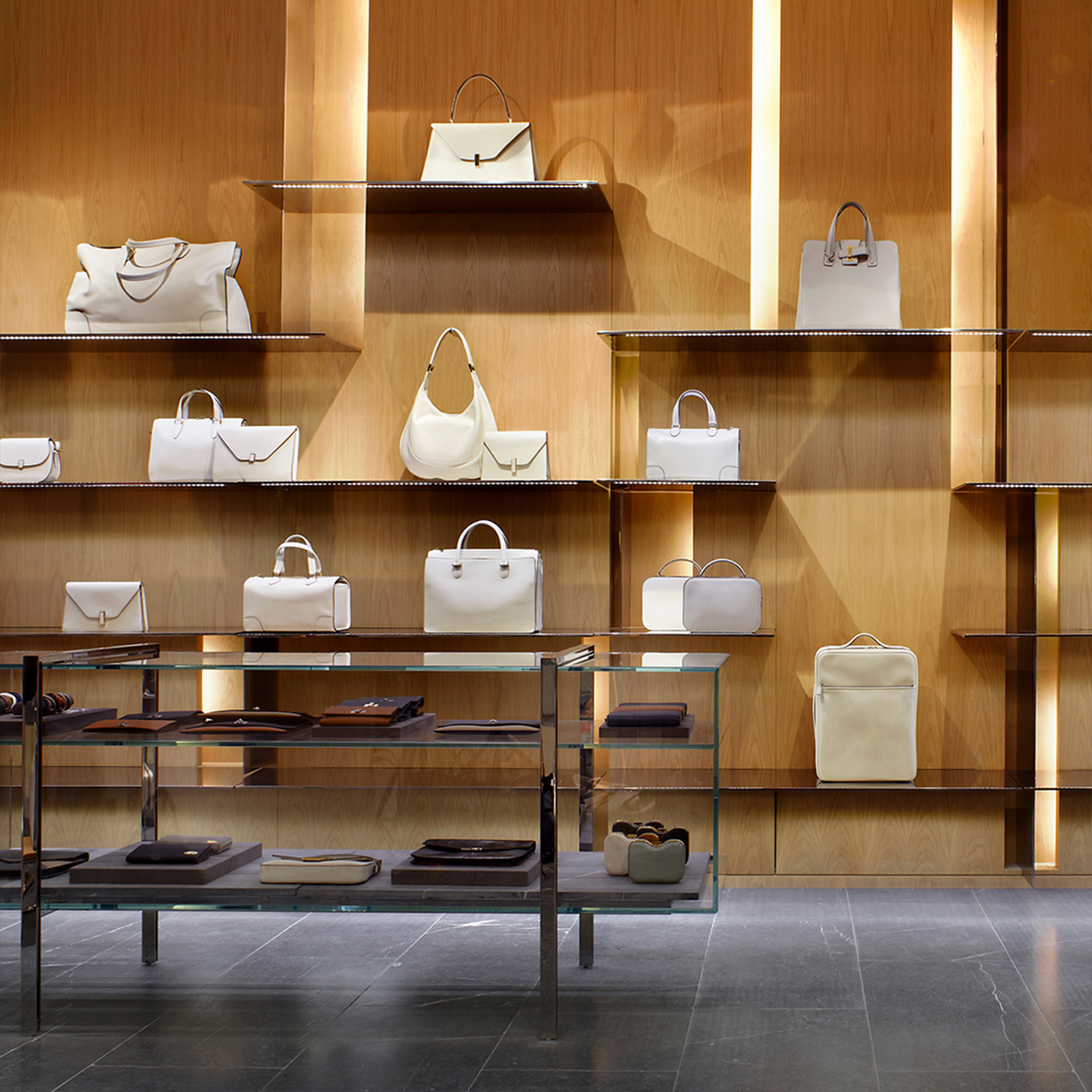
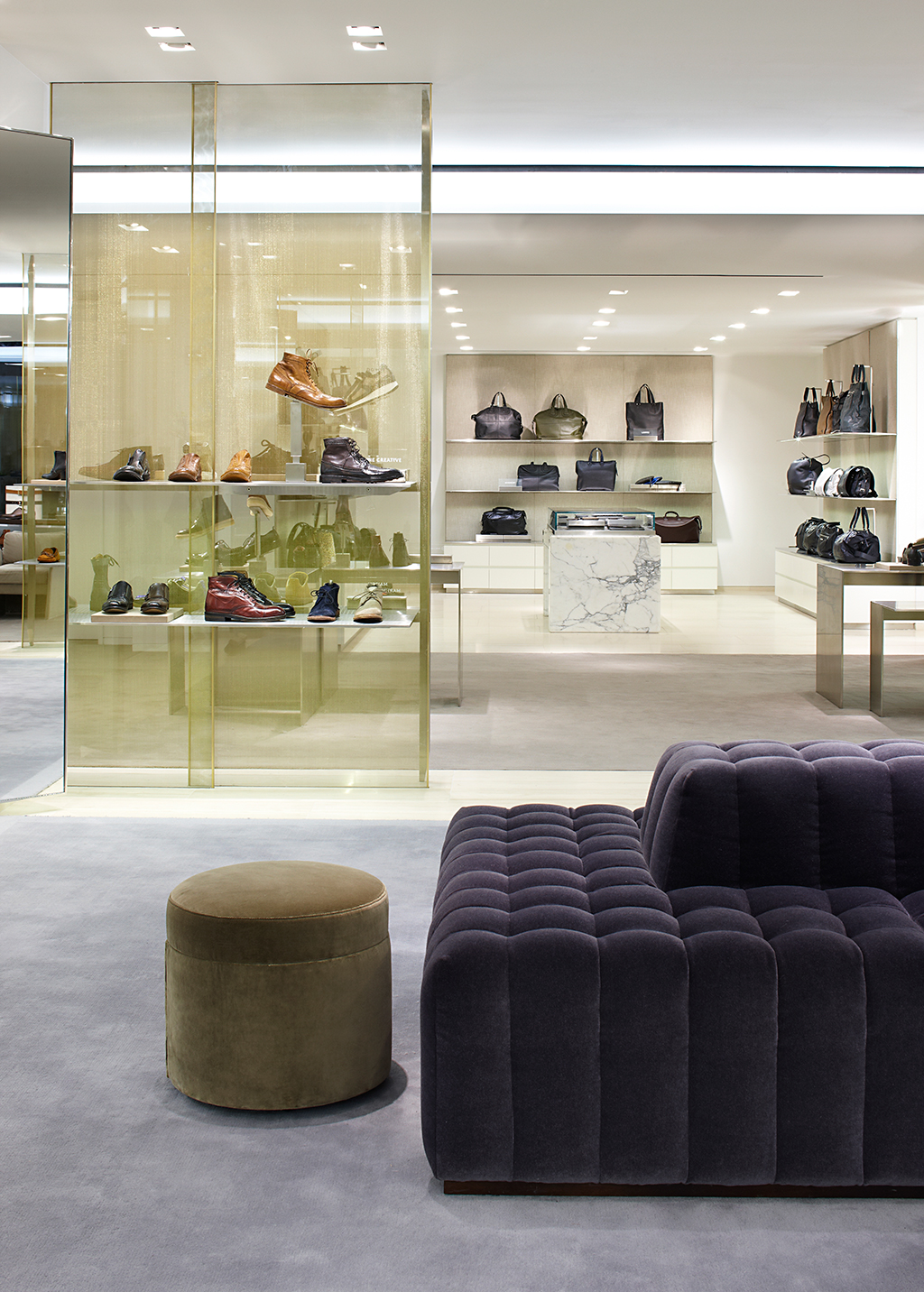
Our interiors, product, and lighting teams worked in tandem to develop bespoke glass display boxes, shelving towers, and built in millwork in close collaboration with creative director Dennis Freedman.
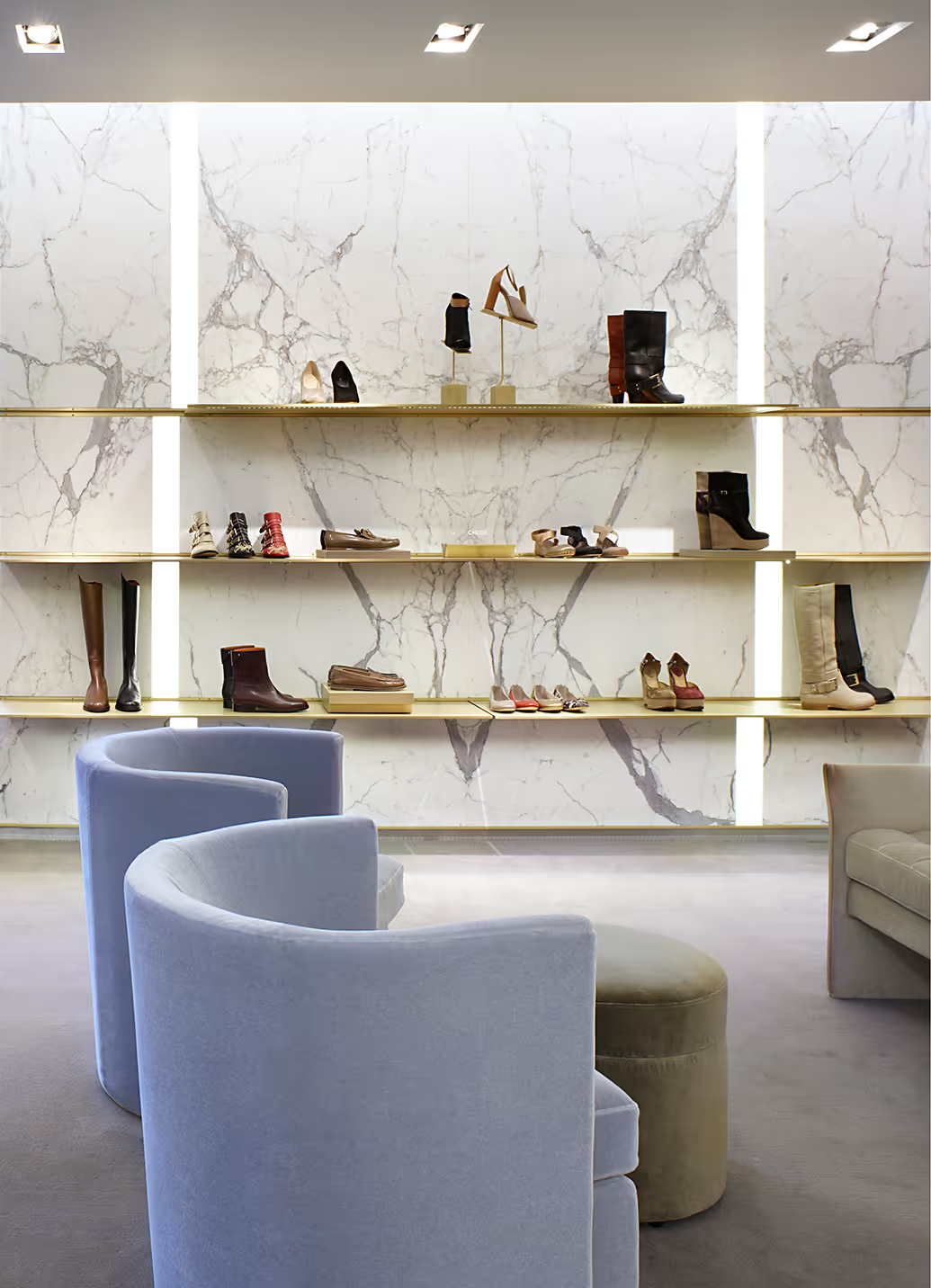
A restrained palette of natural stone, warm wood, and refined finishes shaped a cohesive retail environment, supported by controlled lighting and subtle tonal shifts that highlight the product collections.
Technology as Service Not Spectacle
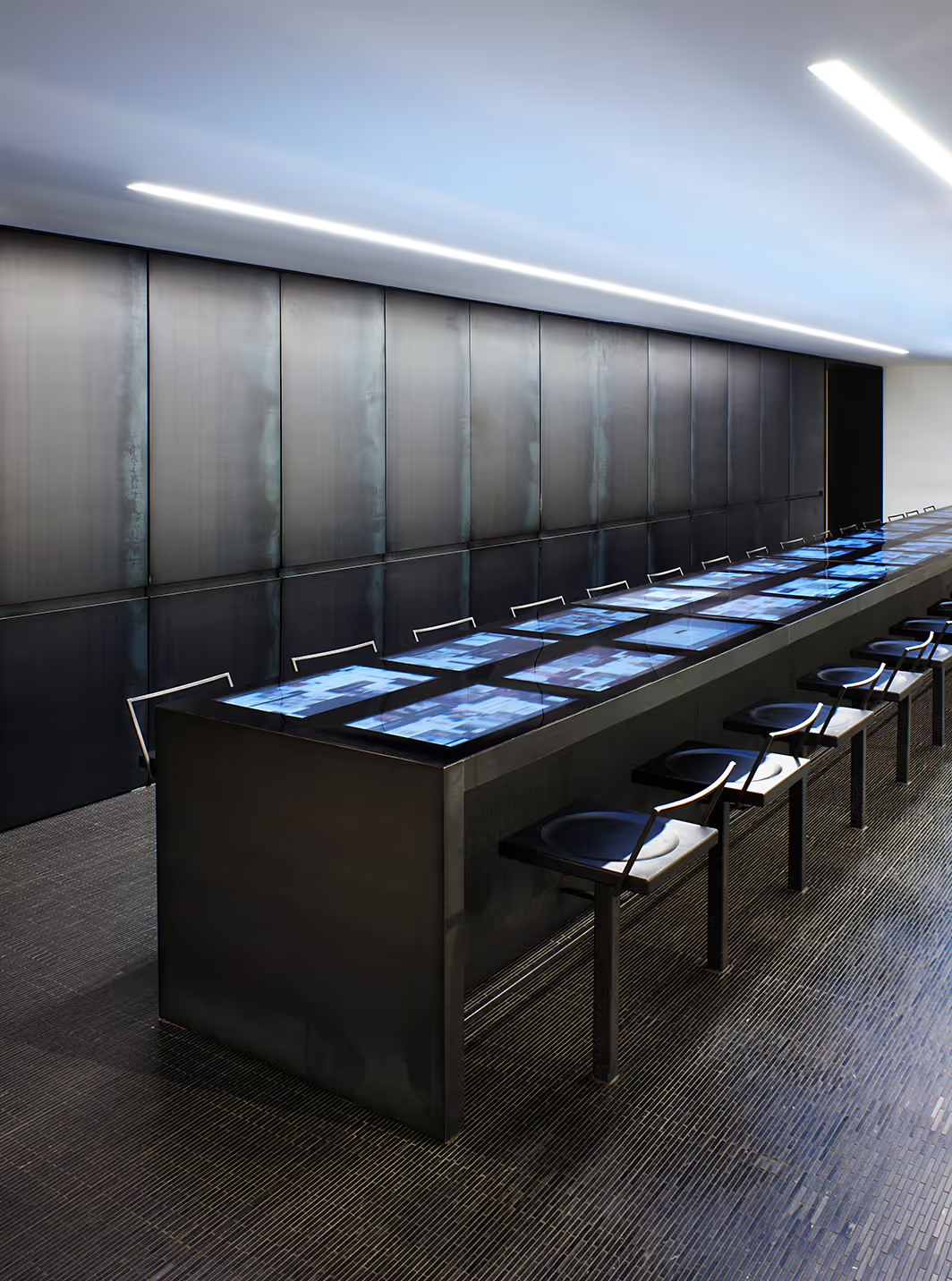
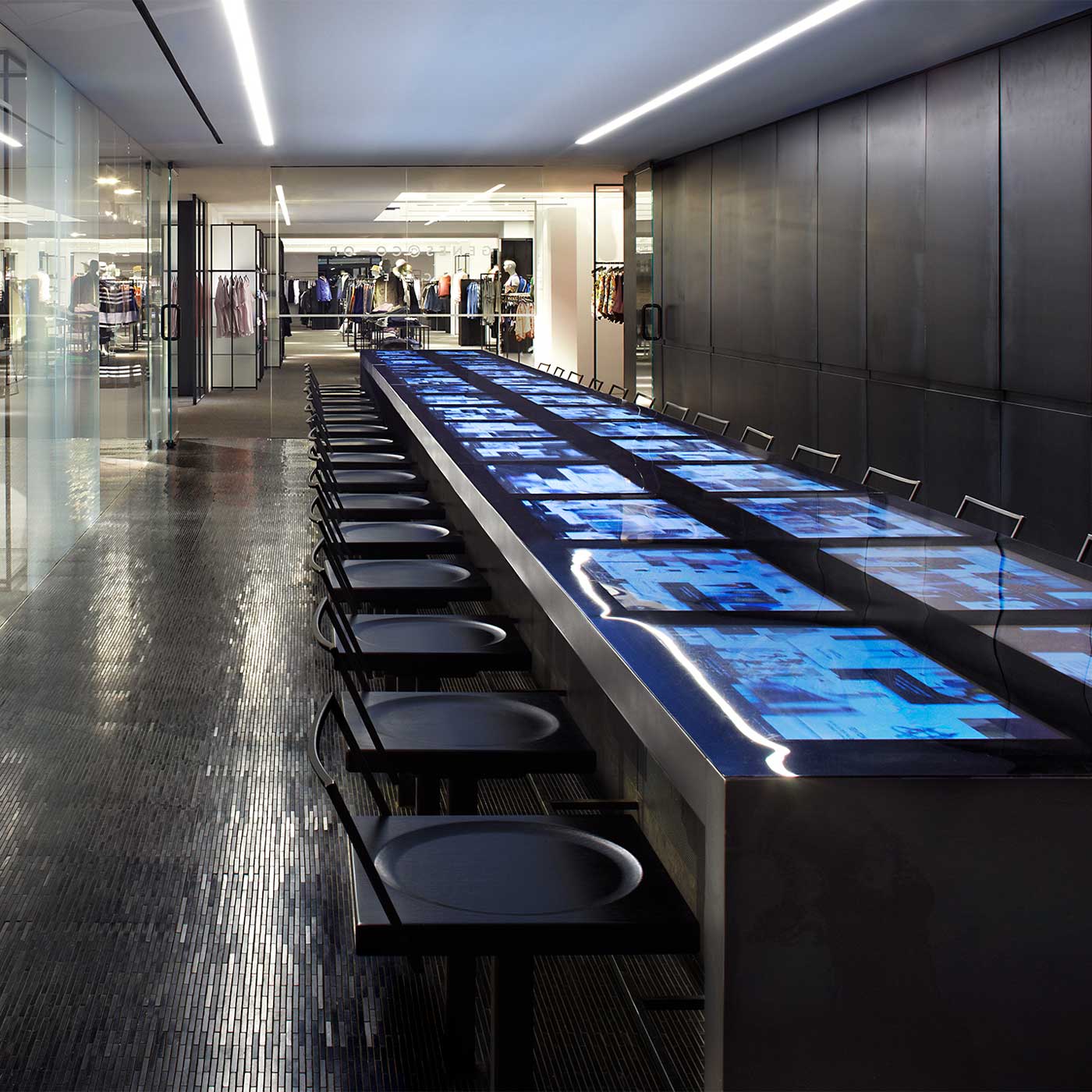
Our team designed Genes@CO-OP, Barneys New York’s first café, which opened in 2011 and introduced a technology based dining experience that let guests browse the menu, reach the store’s digital platform, and shop directly at the table.
This approach reduced friction through simple, user centered tools, making technology an integral part of the dining experience rather than an decorative layer.
Drag
Click to play
“Barneys challenged us to refine rather than decorate. We focused on clarity, on removing what distracted, so the experience felt calm and people could move through the store with a sense of ease.”