.svg)
.svg)
.jpg)
Old world craft with modern refinement


what we’ve made
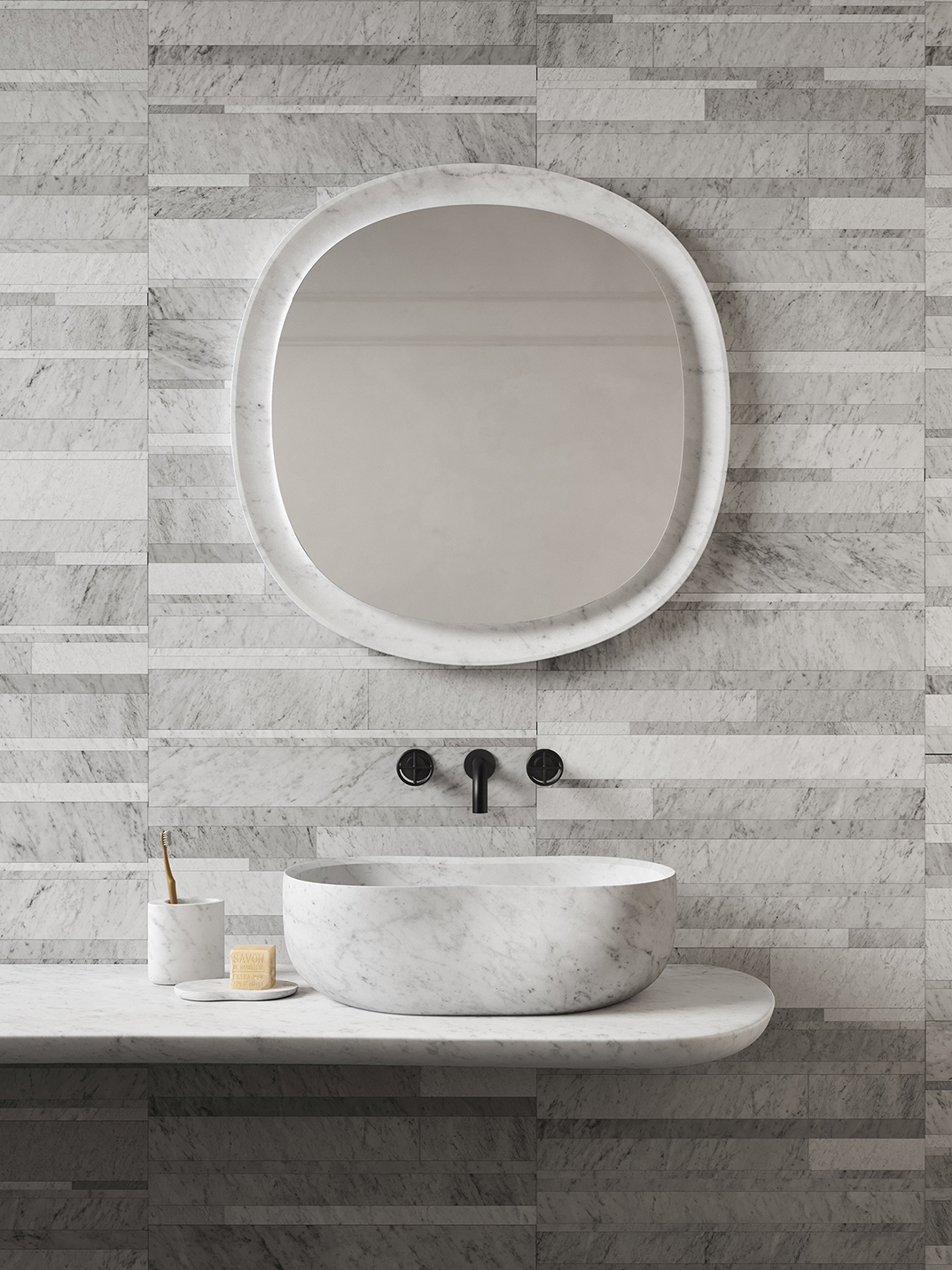
Anima
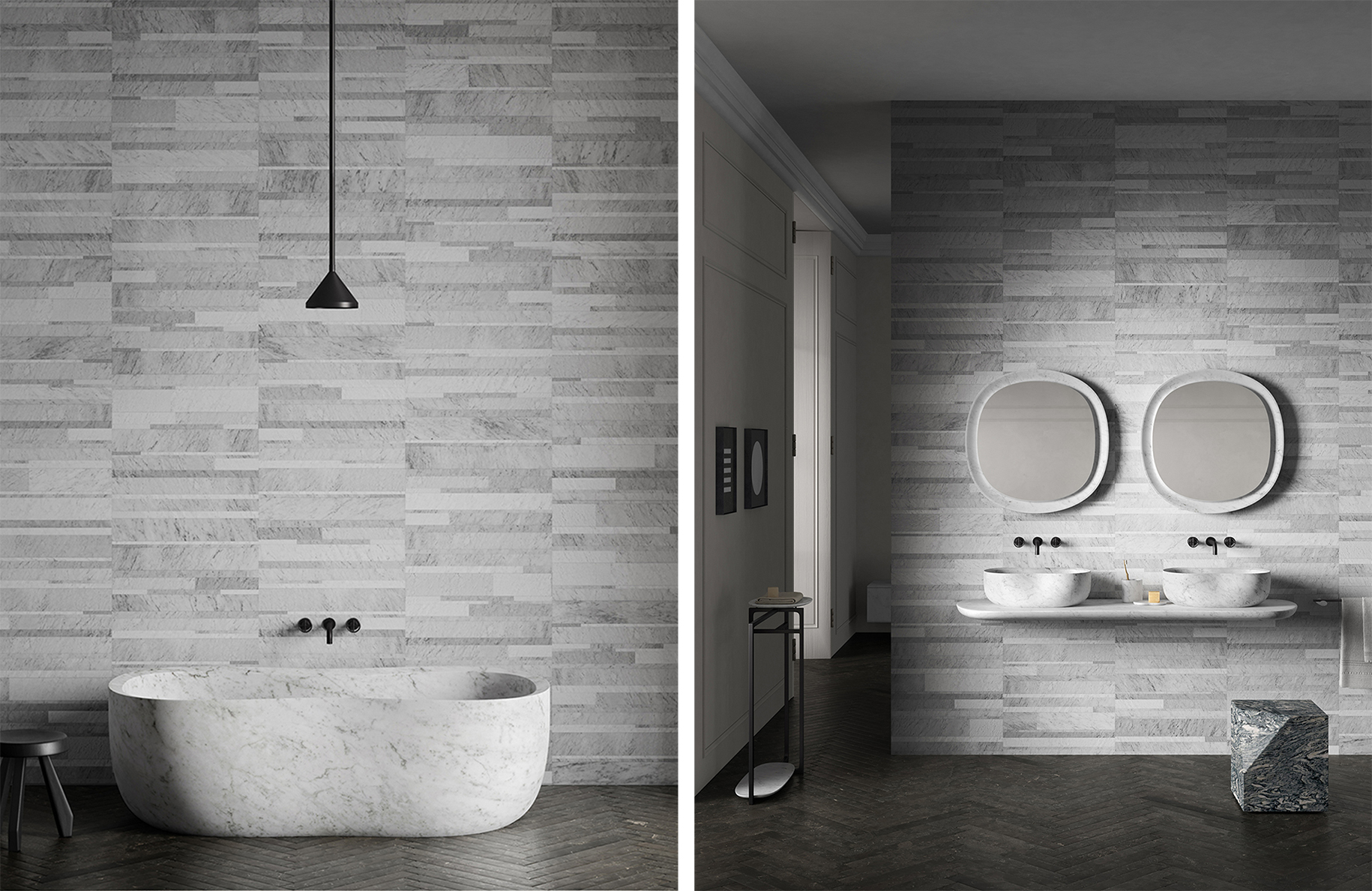
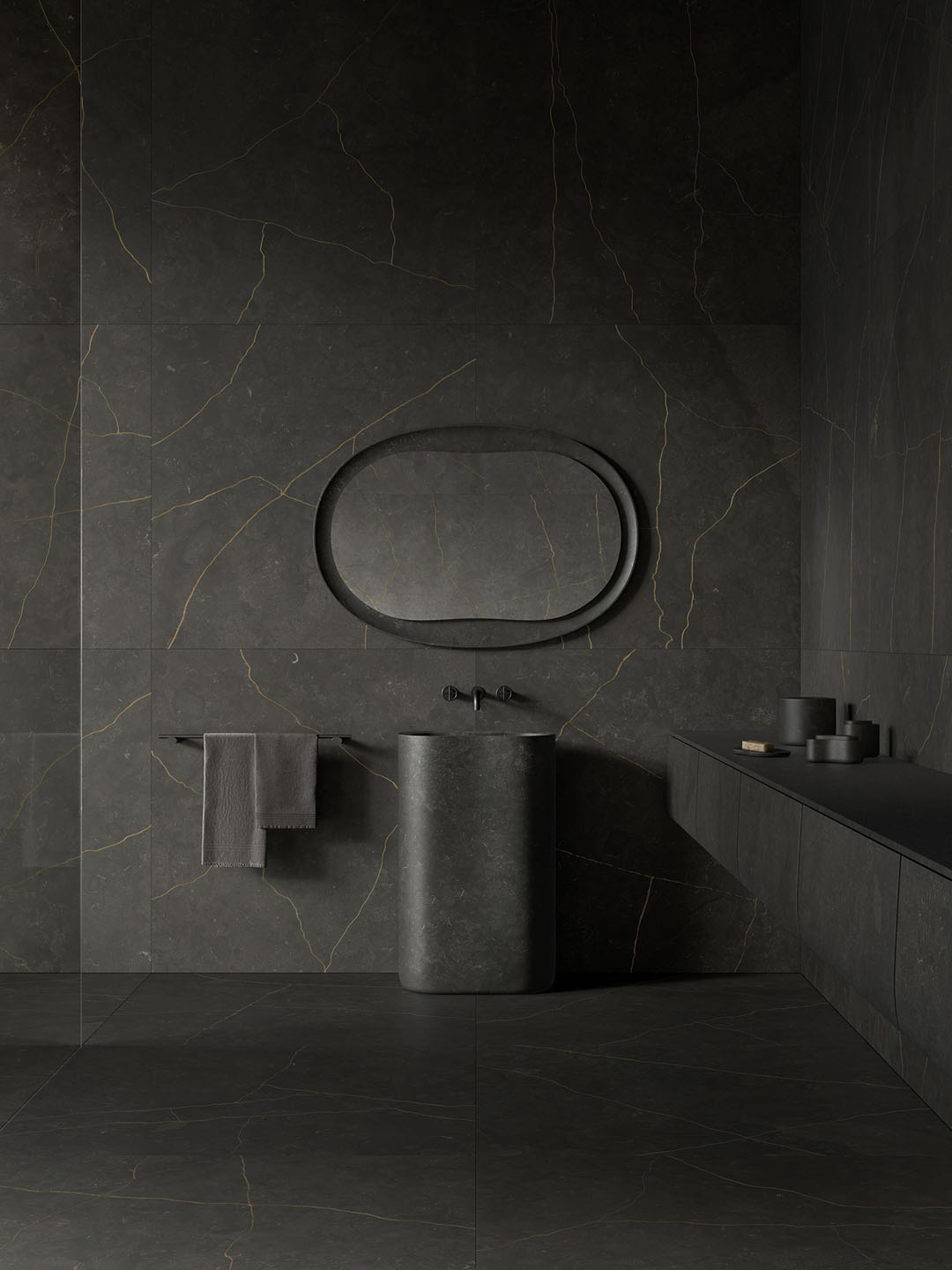
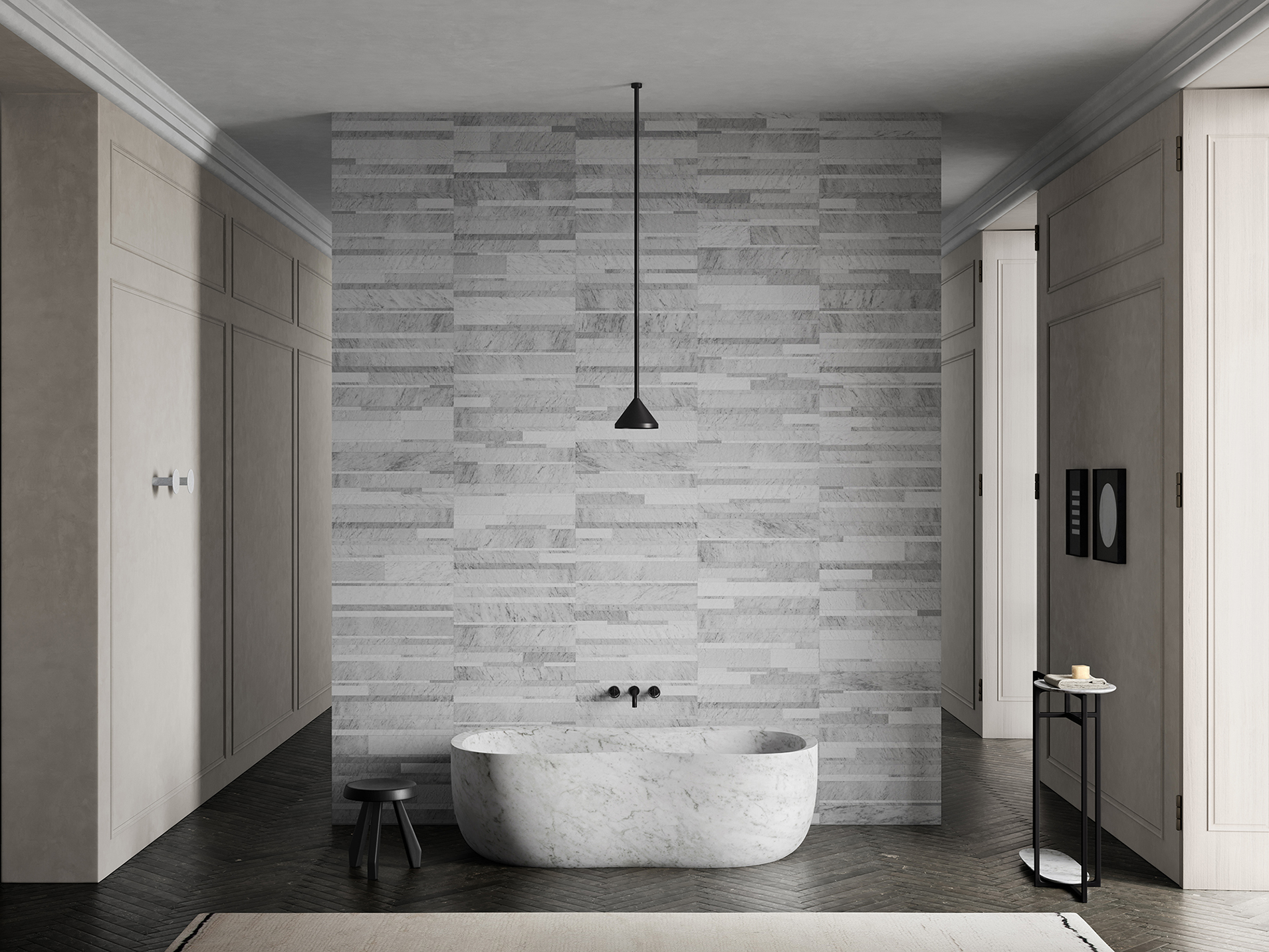
The Anima collection began with the idea of applying “the sensibilities of clay to marble.” This approach emphasizes the innate character of natural stone, its coloration and veining, while shaping it into fluid and amorphic forms. The bathroom series is available in Bianco Carrara, Crema d’Orcia, Pietra d’Avola, Gris du Marais® and Silk Georgette®.
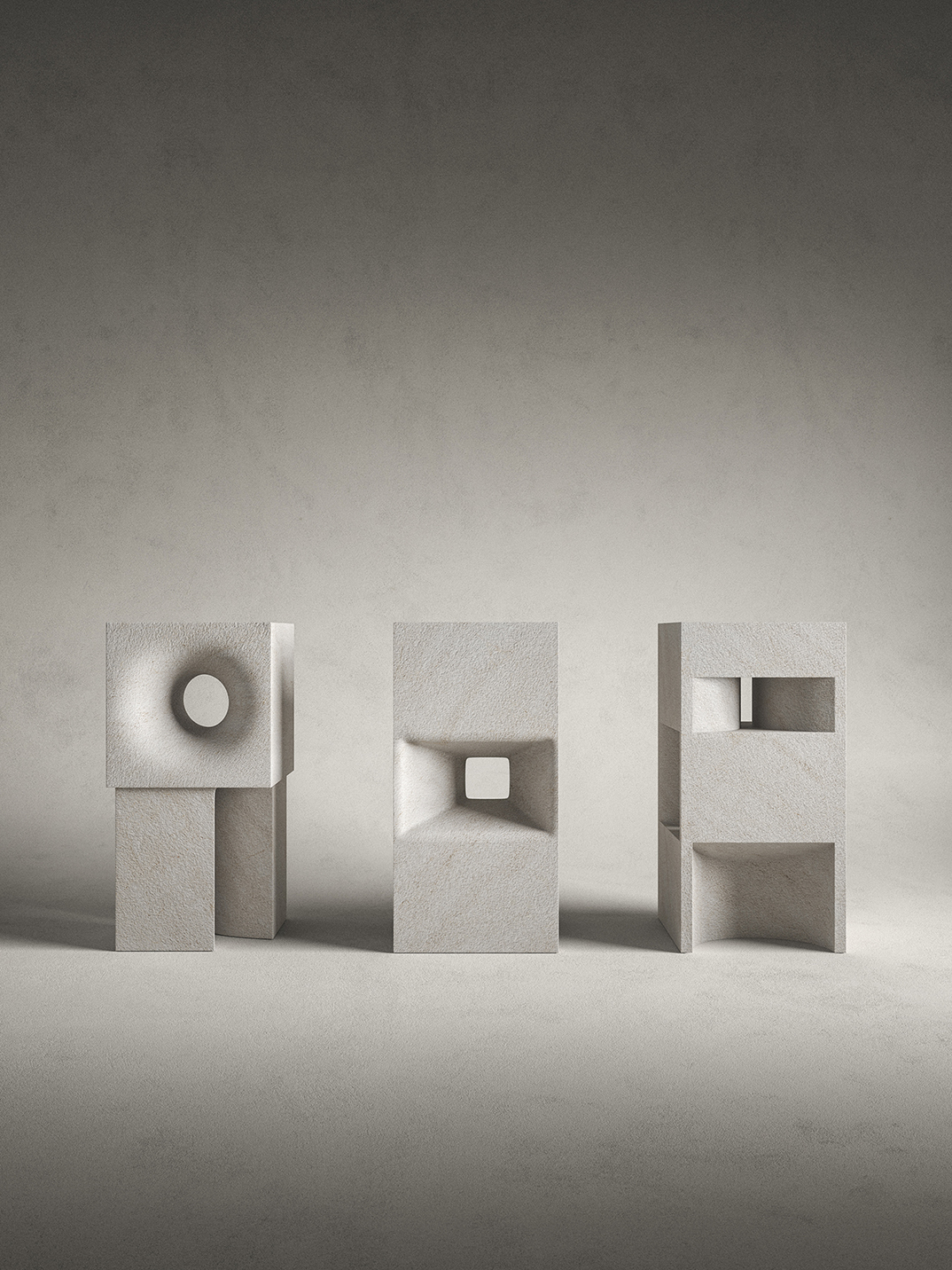
The Village Assembly
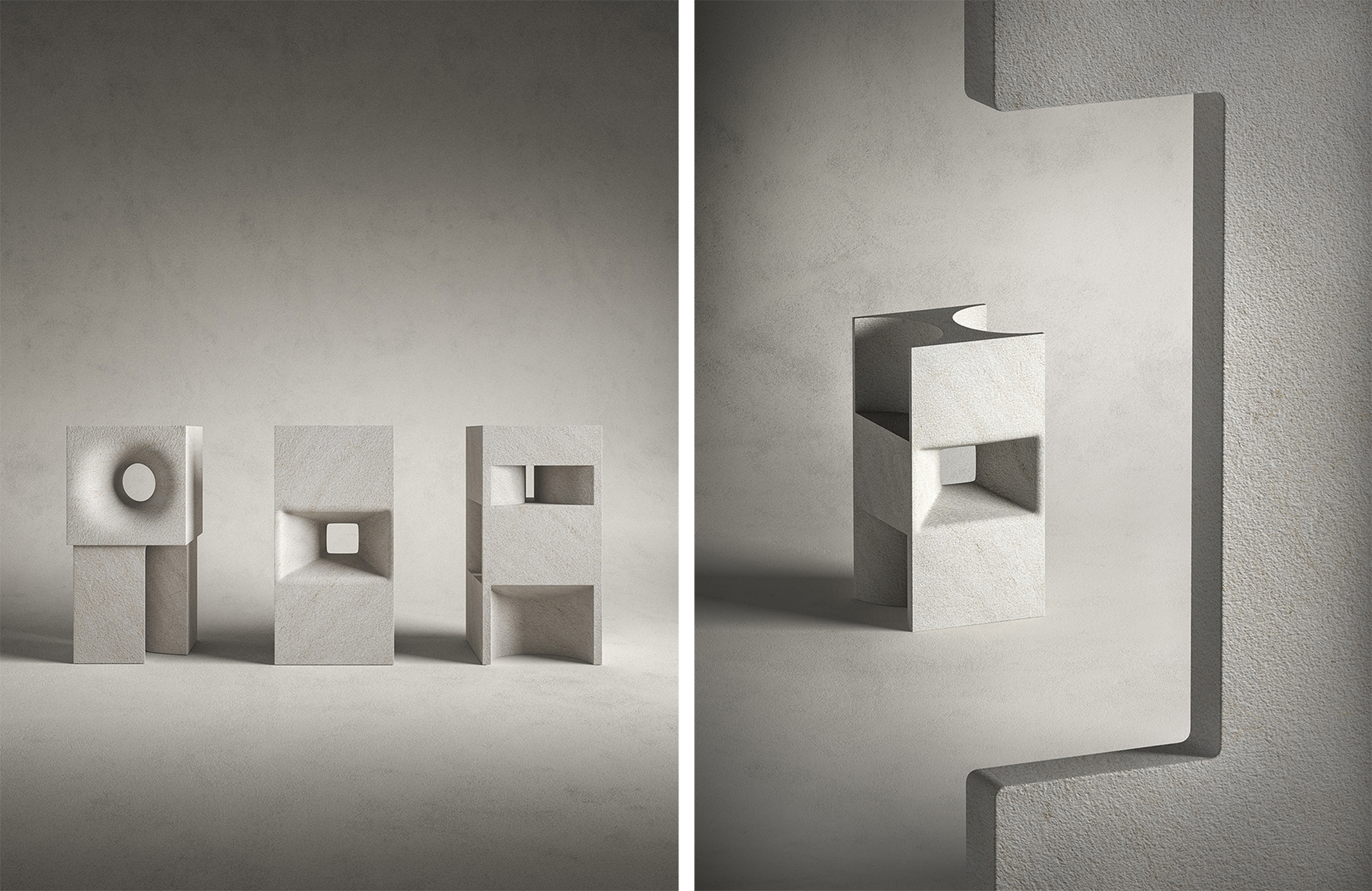
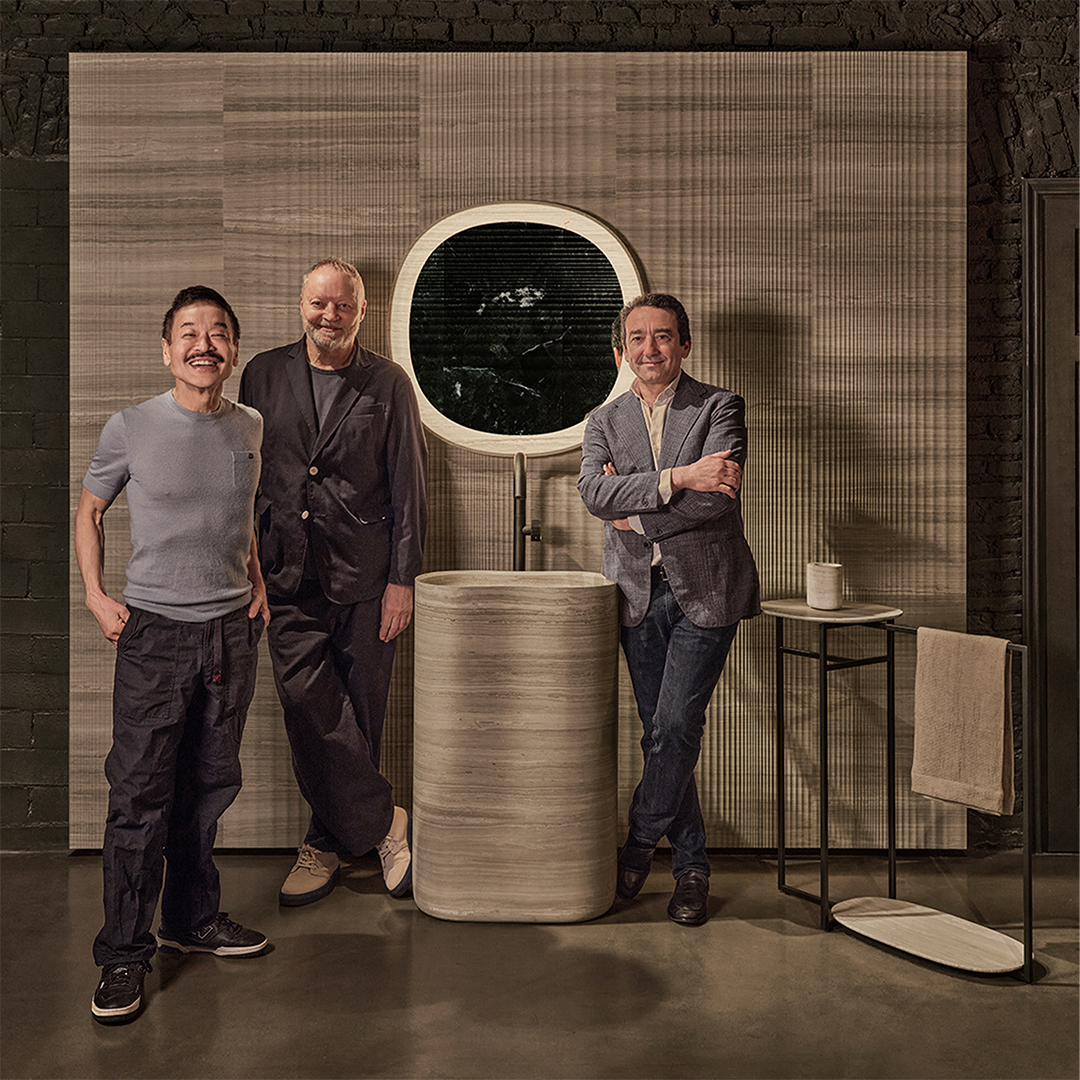
The Village collection draws on Gabriele Salvatori’s wish to explore the idea of home within today’s global landscape. Self, Collective, and Convergence, the Assembly collection, a trio of sculptural, minimalist pieces carved in the soft, muted tones of Crema d’Orcia limestone. Their clean lines and geometric forms spring from the material’s inherent solidity, refined through the design process.
“We started from the concept given to us of The Village, which is an assembly of people gathering together, living closely, socializing. If you look at these towers, they look like stacked dwellings in a village. From there, we embraced Assembly as the name for the collection.” - George Yabu
Punto
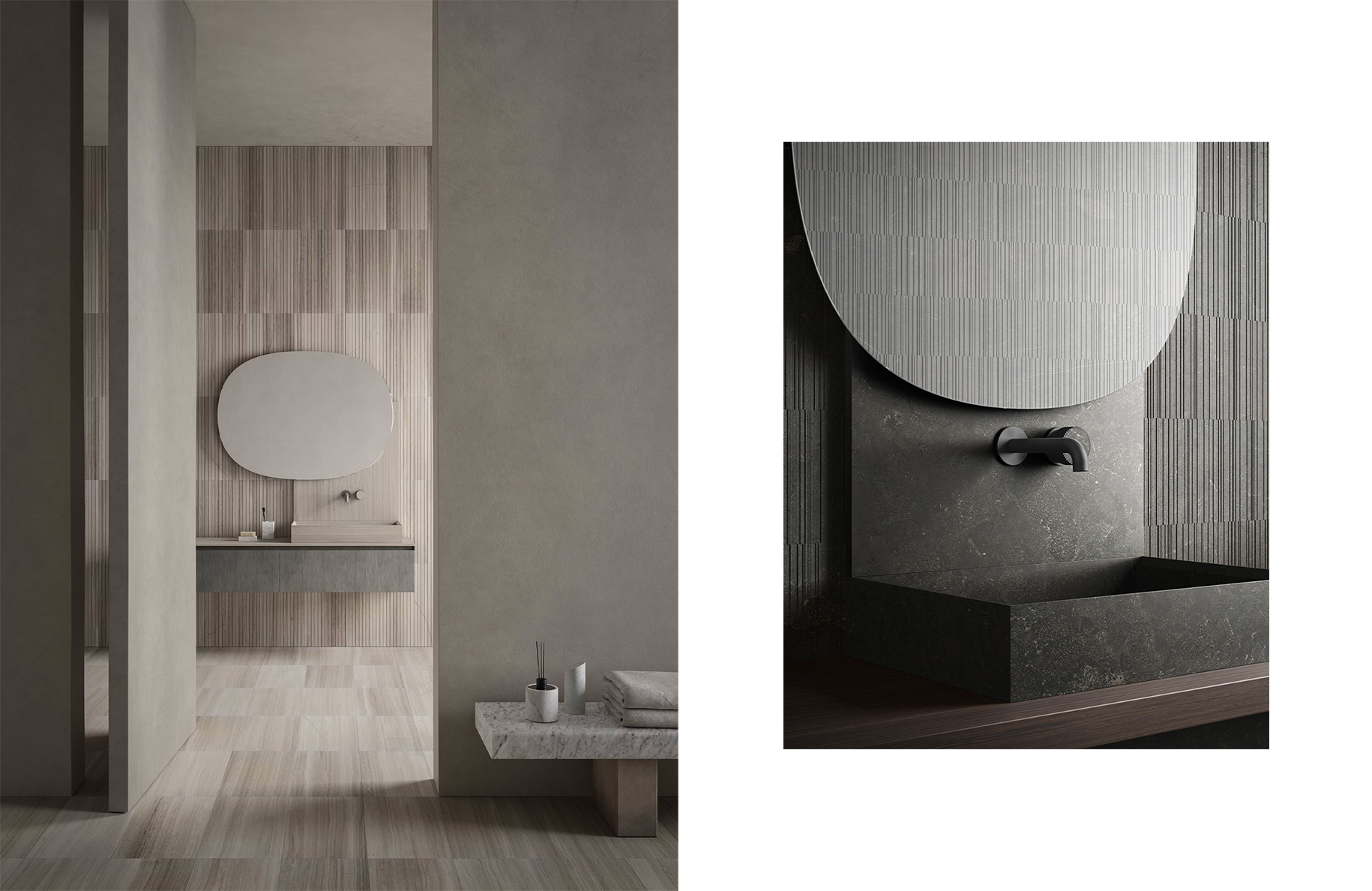
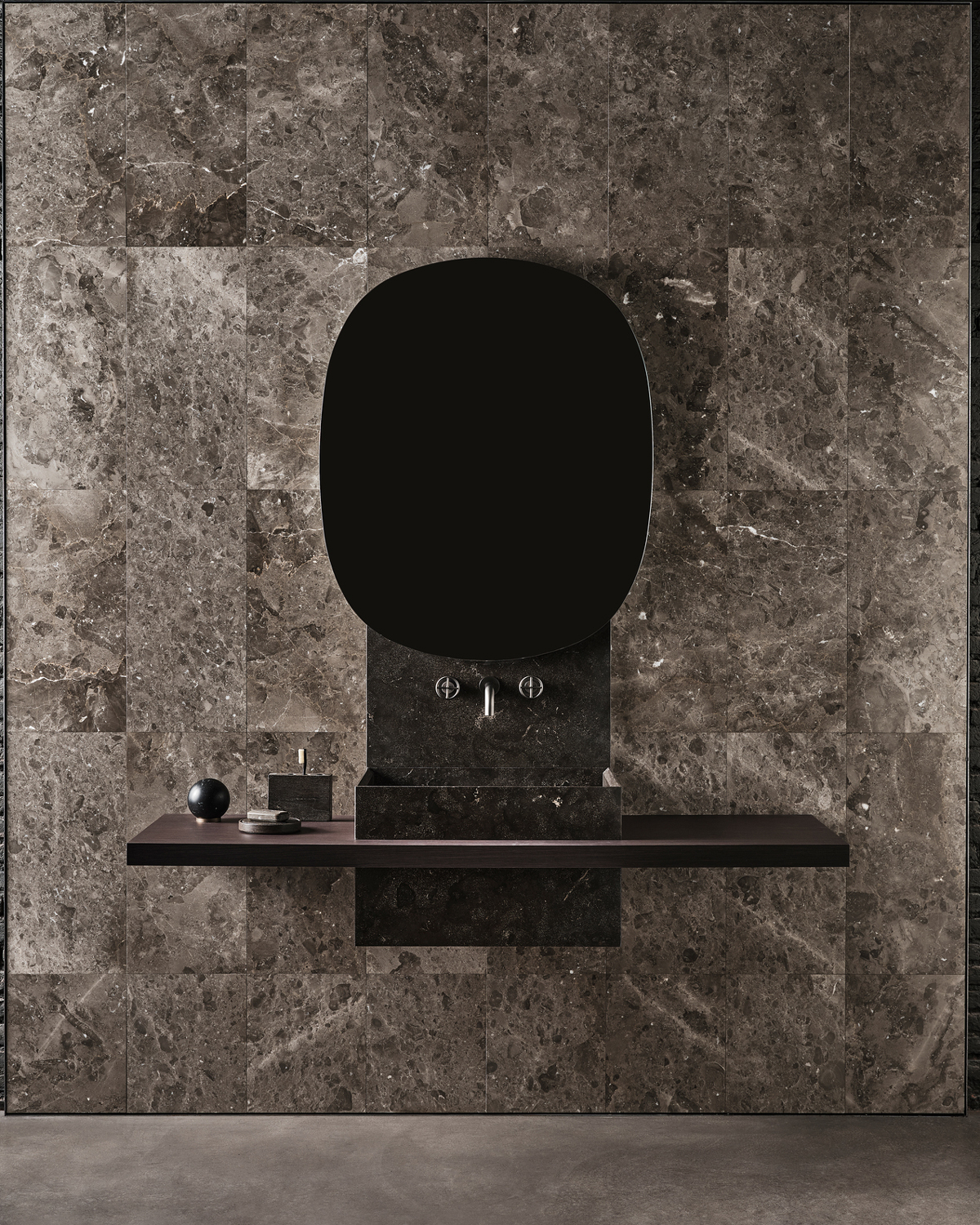
The Punto bathroom collection challenges preconceptions, using material and form to bring emotion into what is often the most impersonal room in a home.
Its bold shapes and colors balance rationality with feeling, appealingly unconventional yet fully functional. Geometric basins and a sculpted backsplash counter the fluid curves of the mirrors, meeting the horizontal lines of the drawers and countertop.
The continuity of the stone’s veining highlights the pronounced pattern of the wood, creating an interplay between stability and dynamism.
“Punto embodies the frisson that occurs when the left and right sides of the brain work together. Its rationality appeals to us, yet we also feel the emotion, capturing both the creative and the analytical in a single gesture.” - Glenn Pushelberg
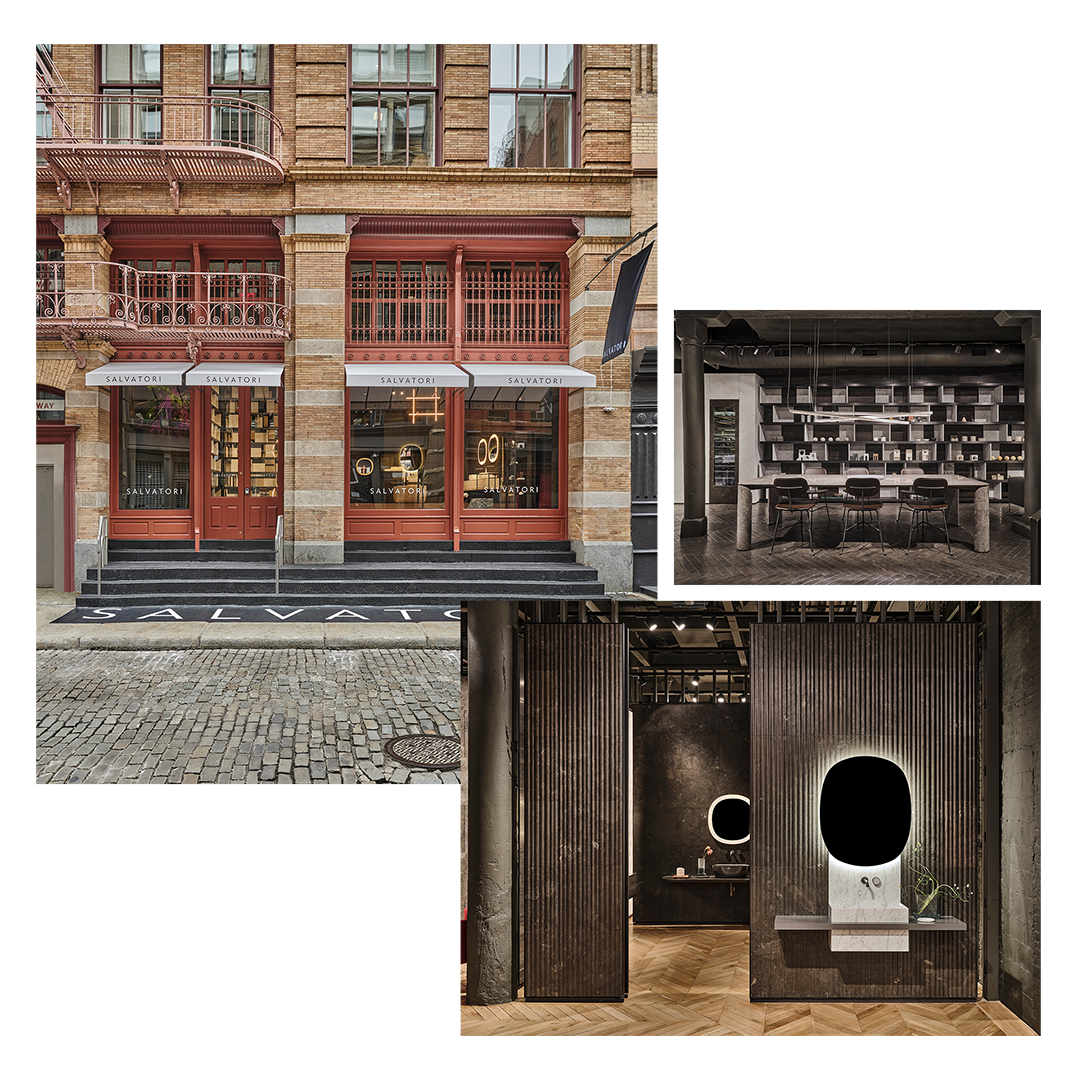
Exhibition Showroom
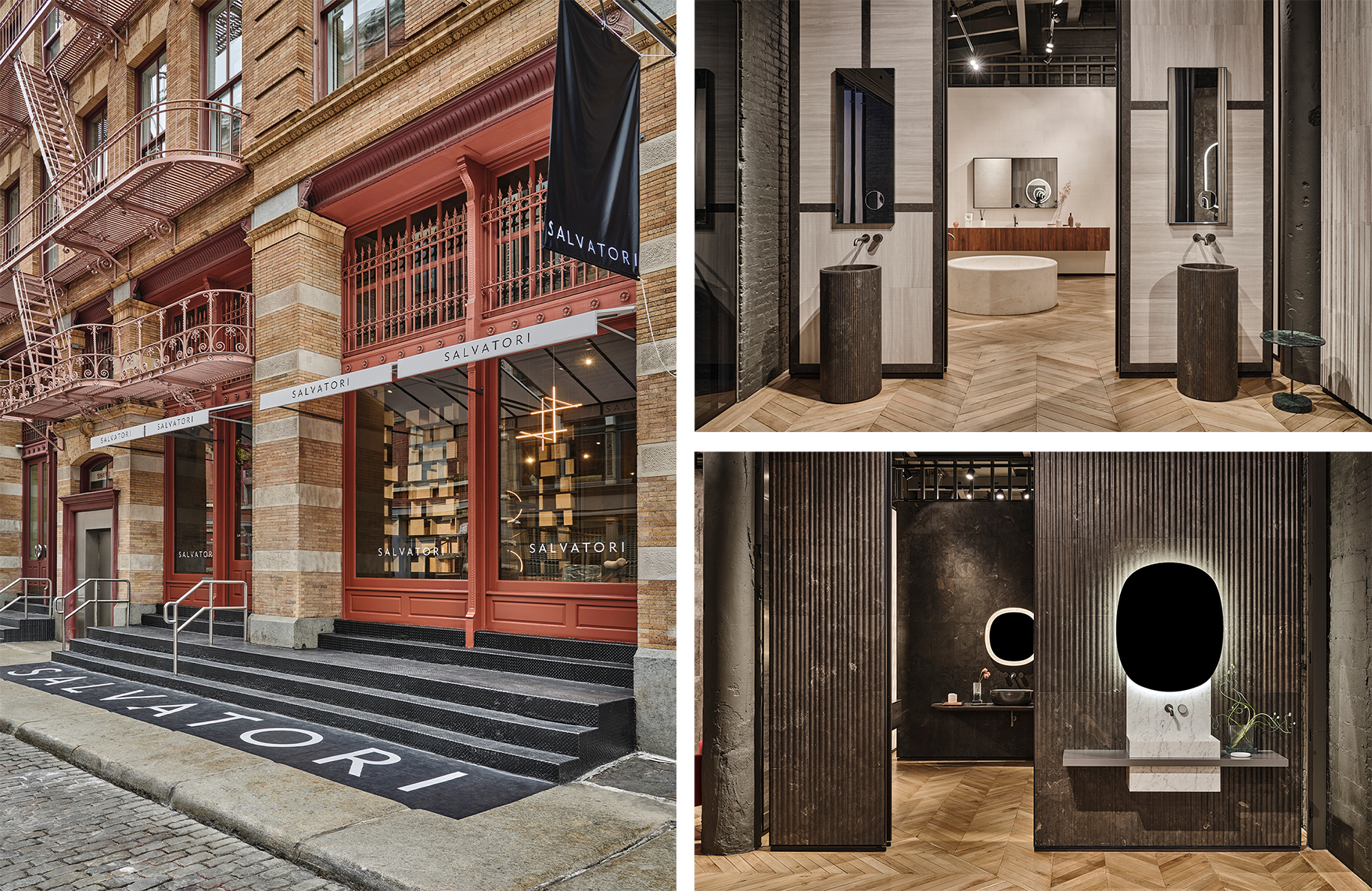
Drawing on its Milanese heritage, we designed a modular wall system that transforms the showroom from a single open space into a sequence of rooms and vignettes, allowing the layout to adapt and evolve over time.
By pairing Milan’s spatial order with Soho’s industrial texture, and working with the existing brick walls, cast-iron columns, and a gallery-like plan, the space thoughtfully frames the brand’s collections and gives Salvatori new ways to present its continually evolving collections.
Nagi
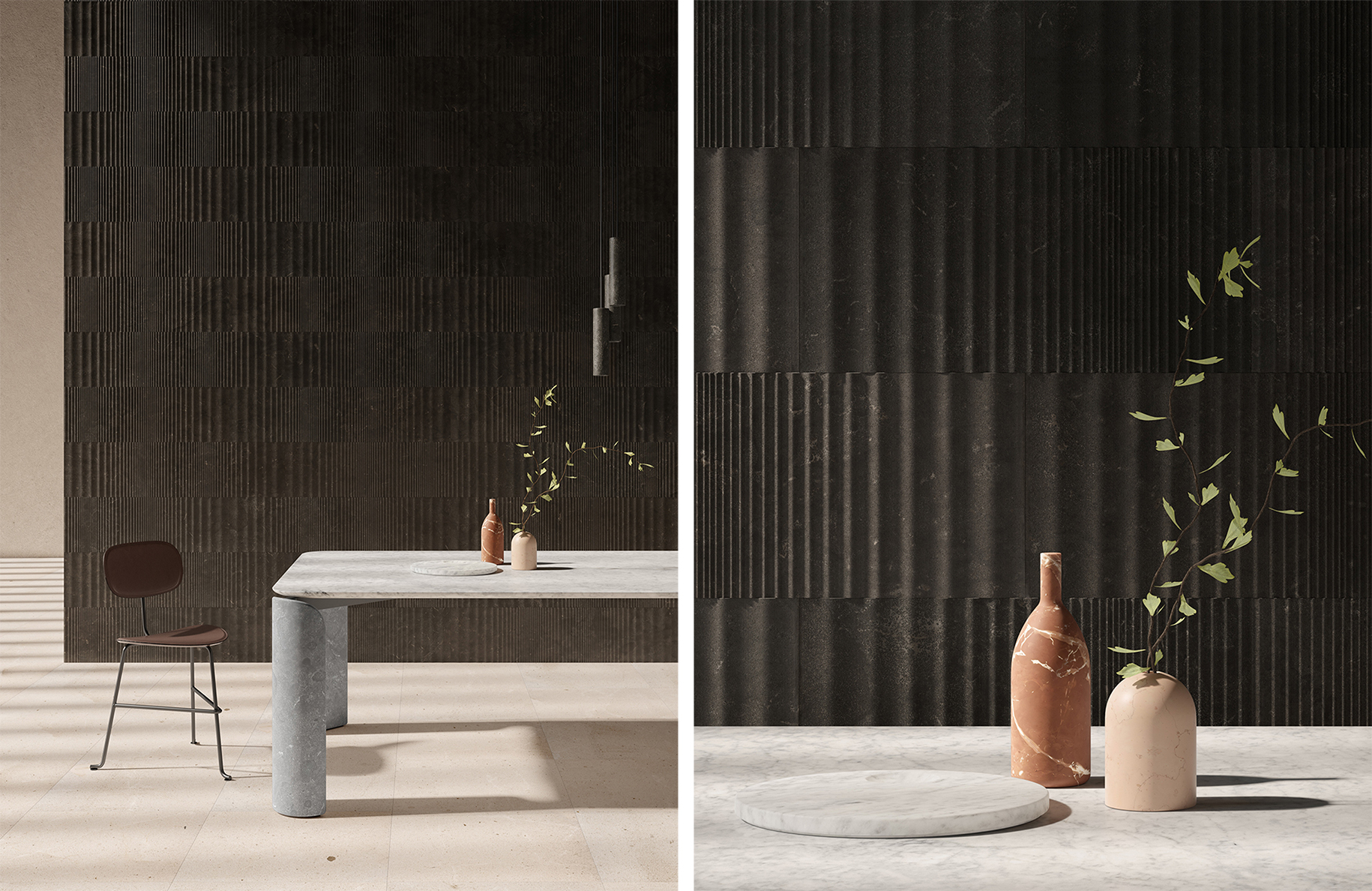
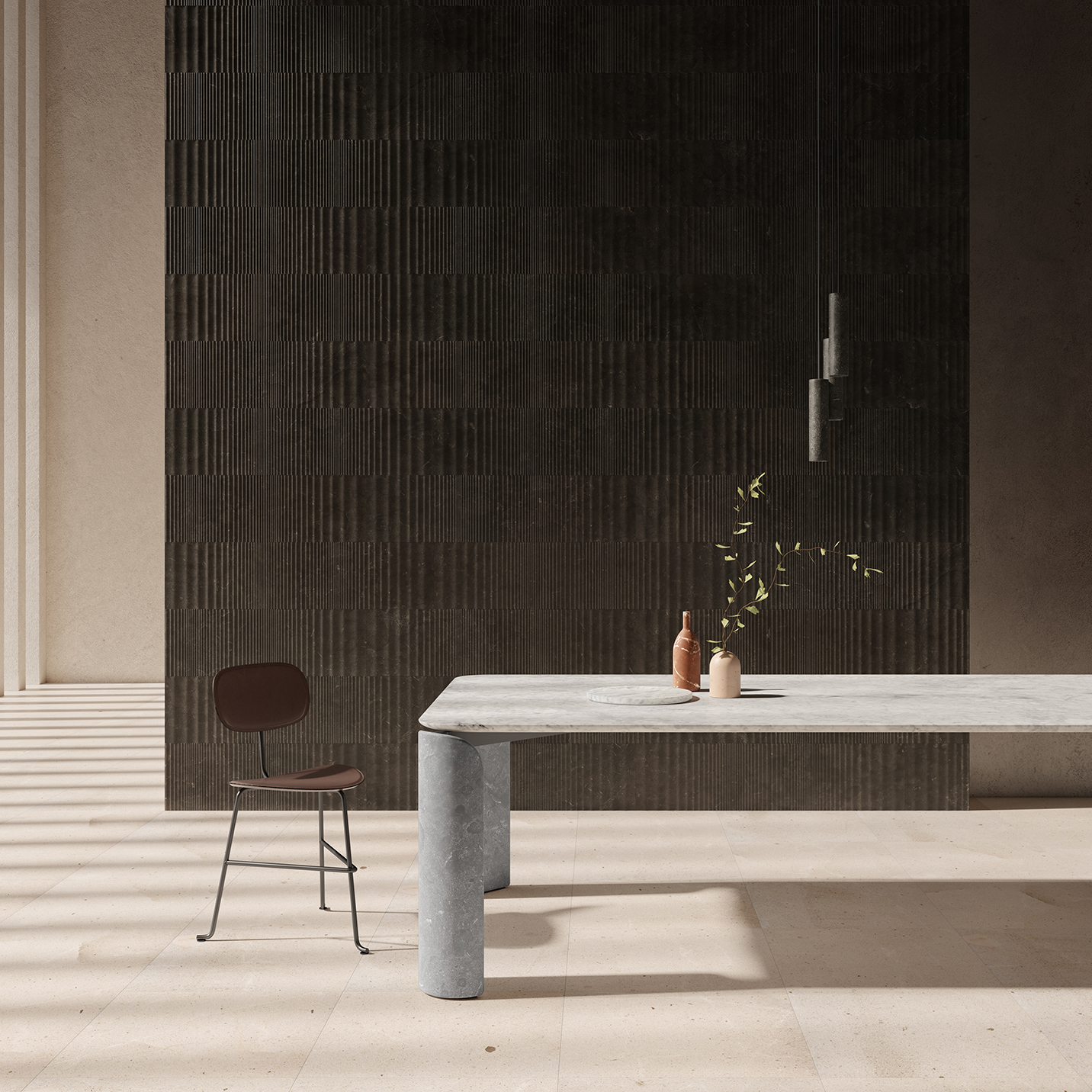
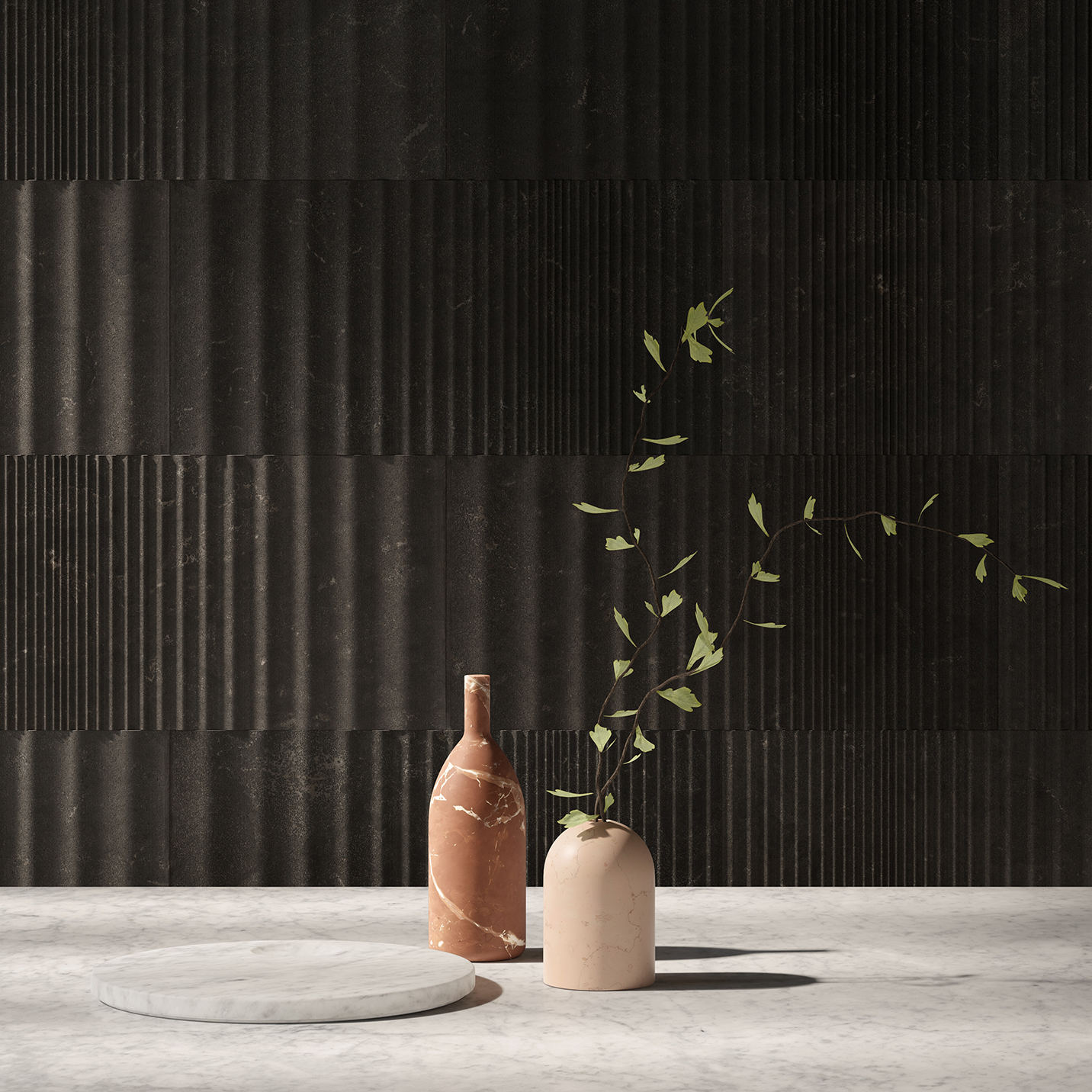
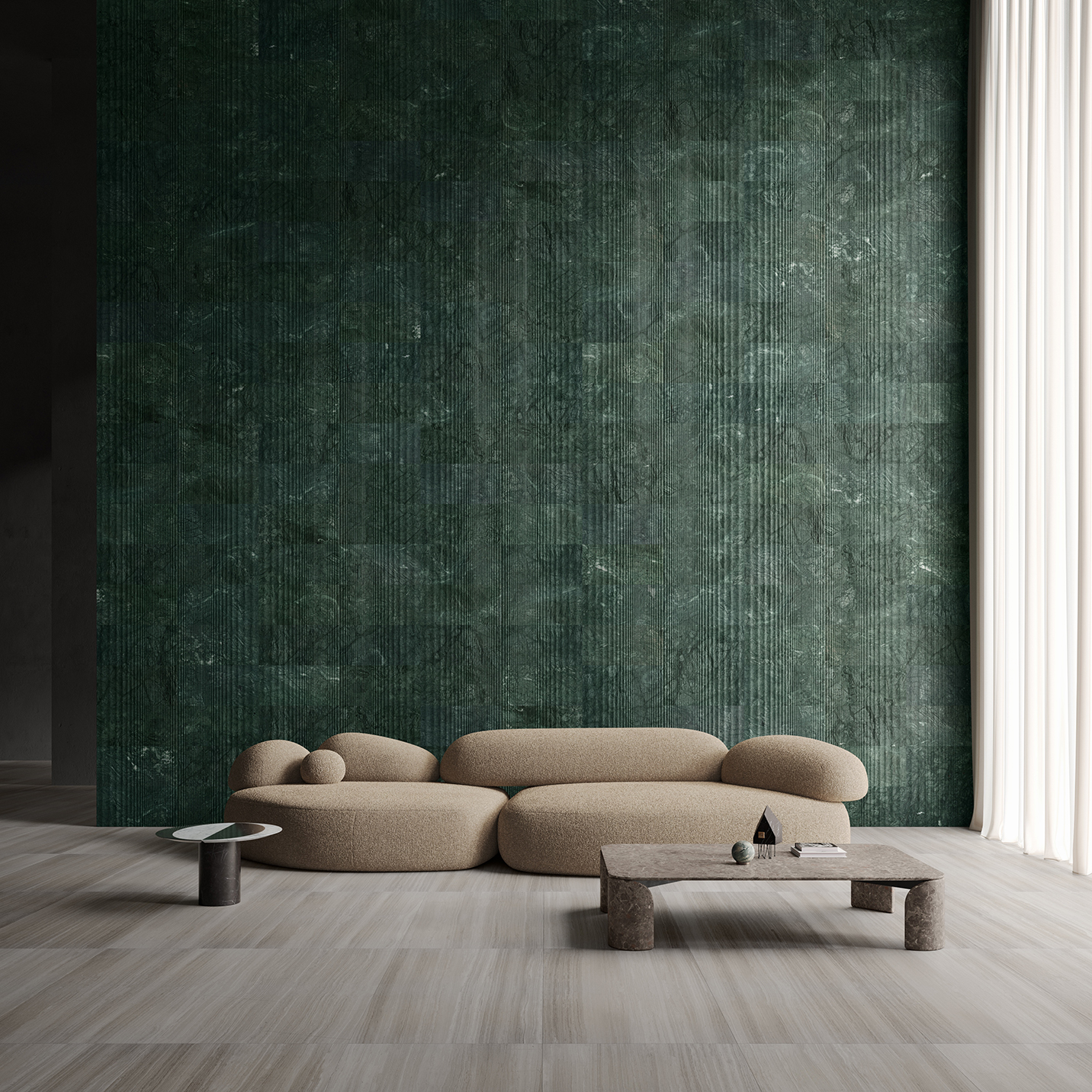
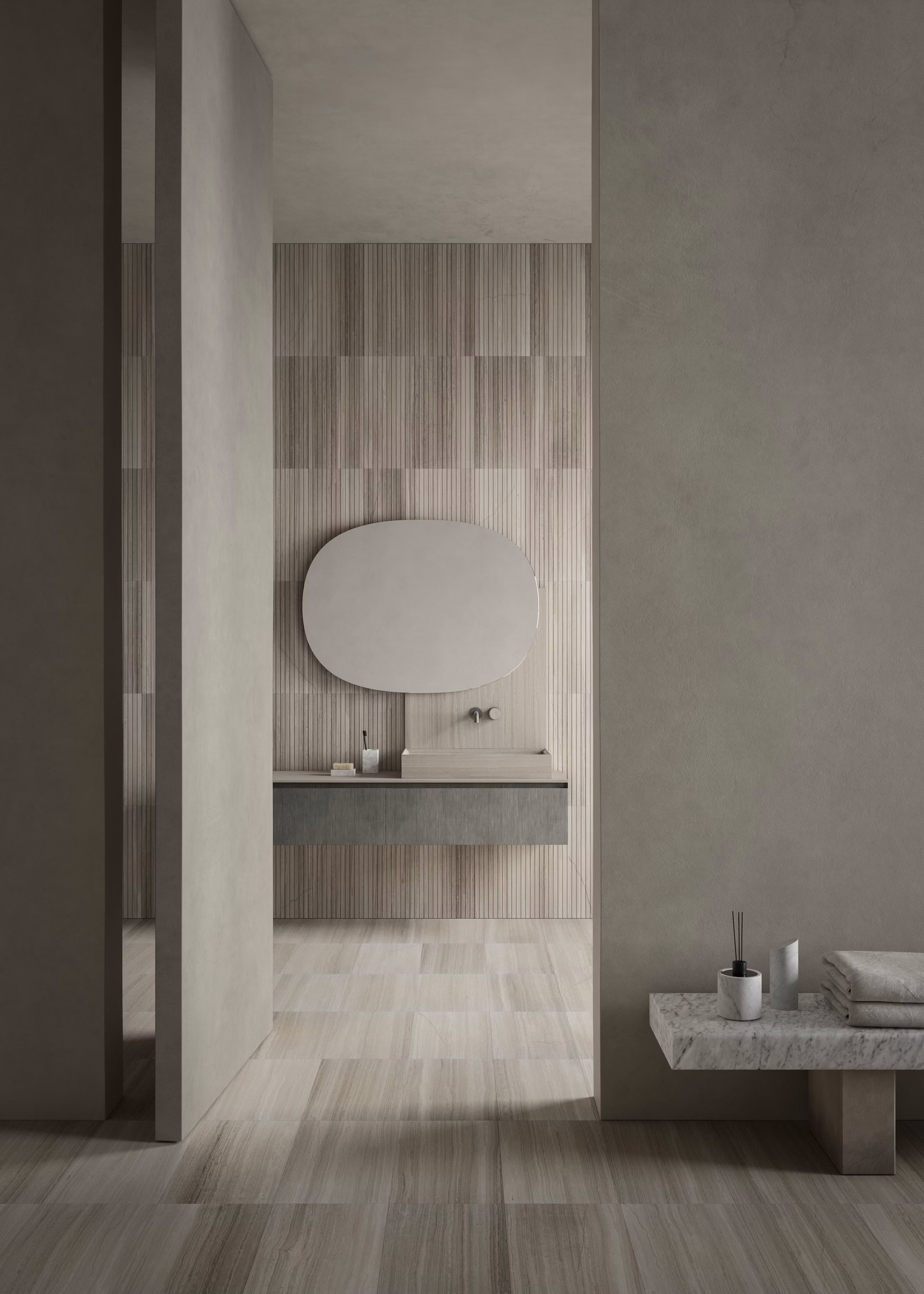
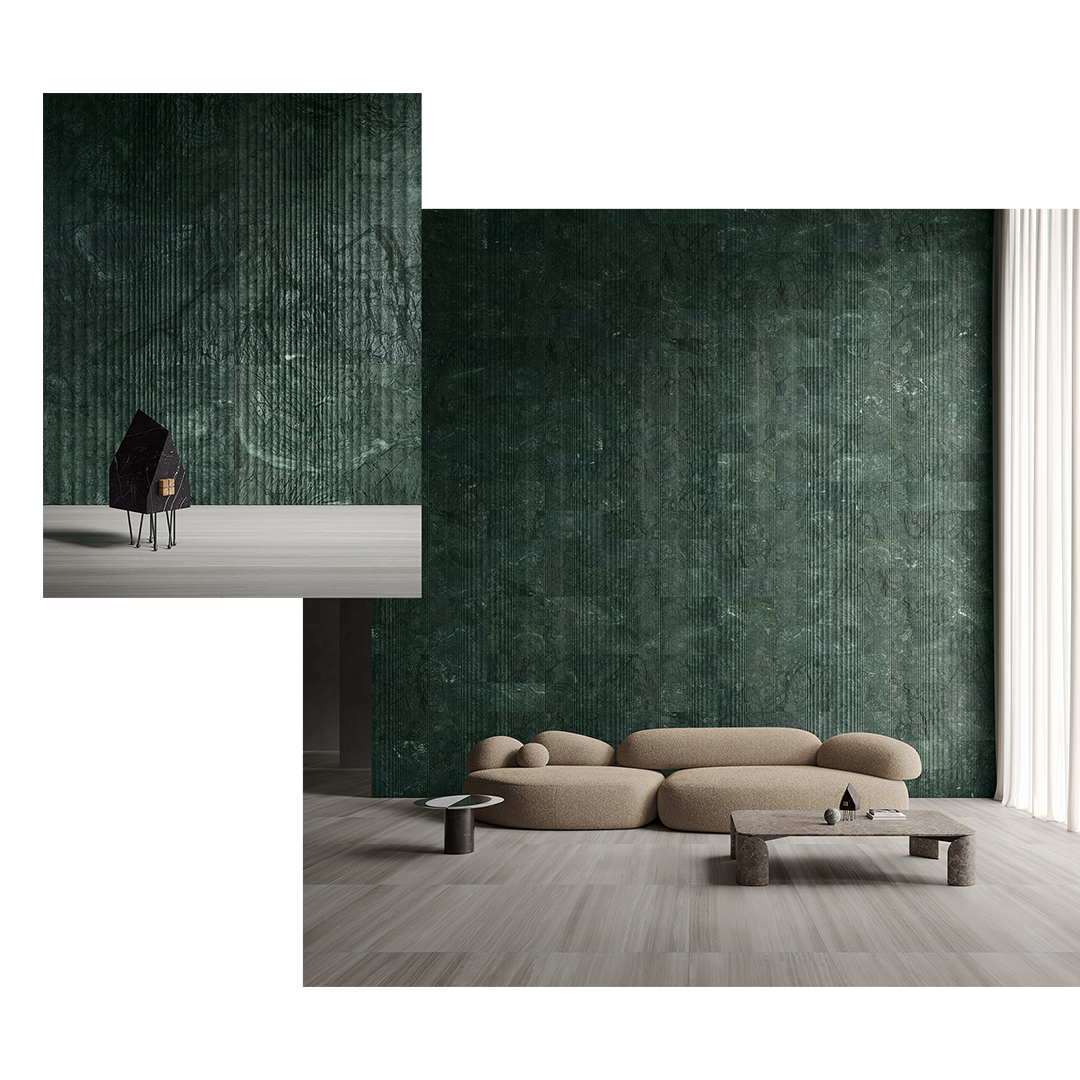
Nagi is a natural stone tile defined by gentle undulations inspired by the ripple effect of a stone meeting water.
The texture evokes the progression of concentric rings, tight at the center and gradually softening outward, capturing the gentle, rhythmic movement found in nature.
Its wavy motif, compressed on one side and opening toward the other, creates wider, softer ripples that suggest fluid motion across the surface. Nagi can be laid on either side and installed horizontally or vertically.
Lombard Street Collection

The steep, winding structure of Lombard Street in San Francisco’s Russian Hill sets the reference point for the Lombard Street collection. The pieces draw on the street’s sculpted curvature and formal clarity, offering a balance of comfort and poise.
Lombard Street Collection
Rooted in a 1300 year old Japanese fishing technique, the Takayama lamp translates the measured precision of ukai fishing into a contemporary light. The arced form is supported by a textured metal frame, a hanging woven cord, and marble base. This family of table, console, and floor lamps carries the spirit of Takayama’s night fishing tradition into a considered object.