.svg)
.svg)
Punching above their size


what we’ve made
Moxy Times Square 2017
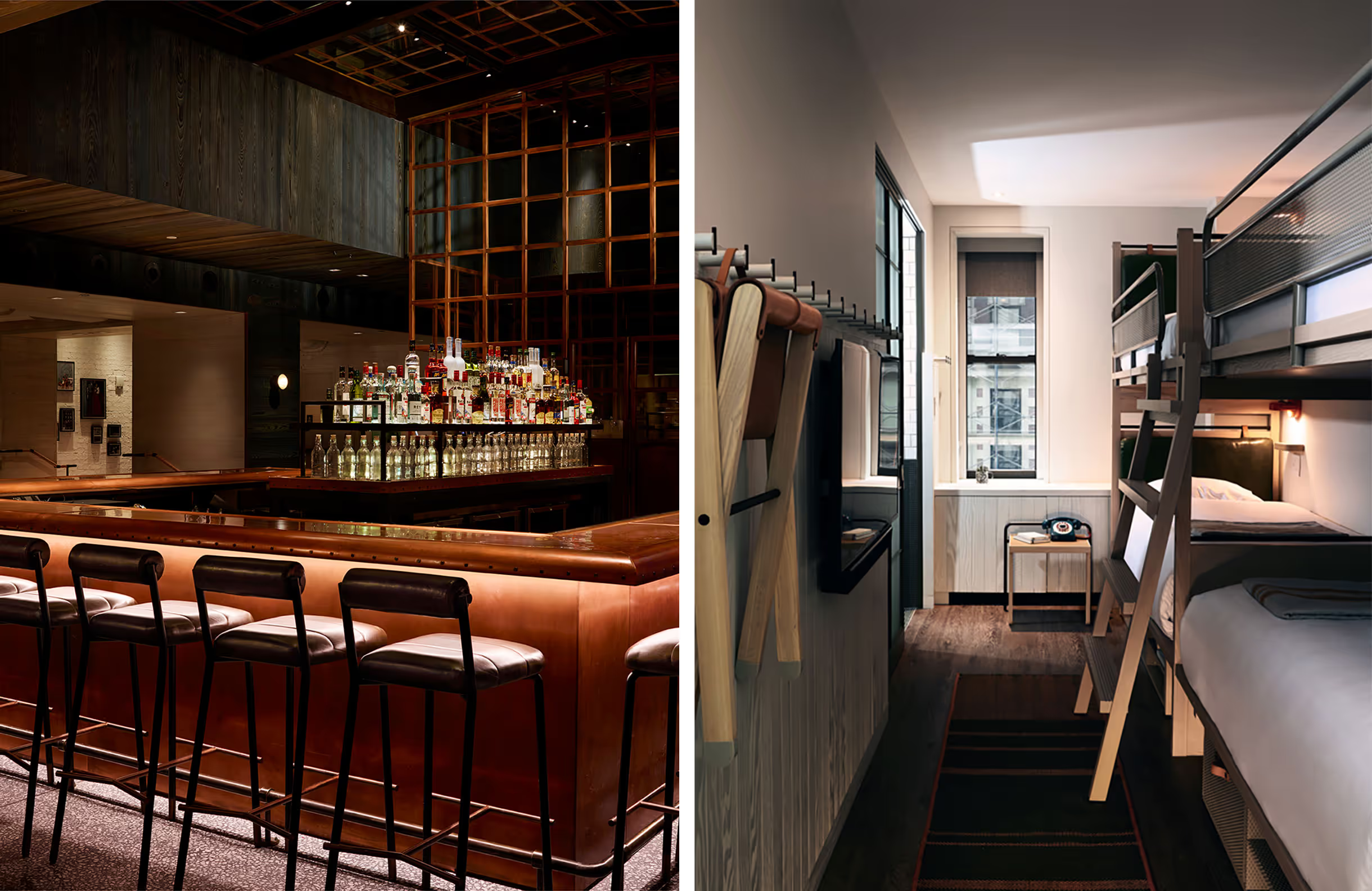
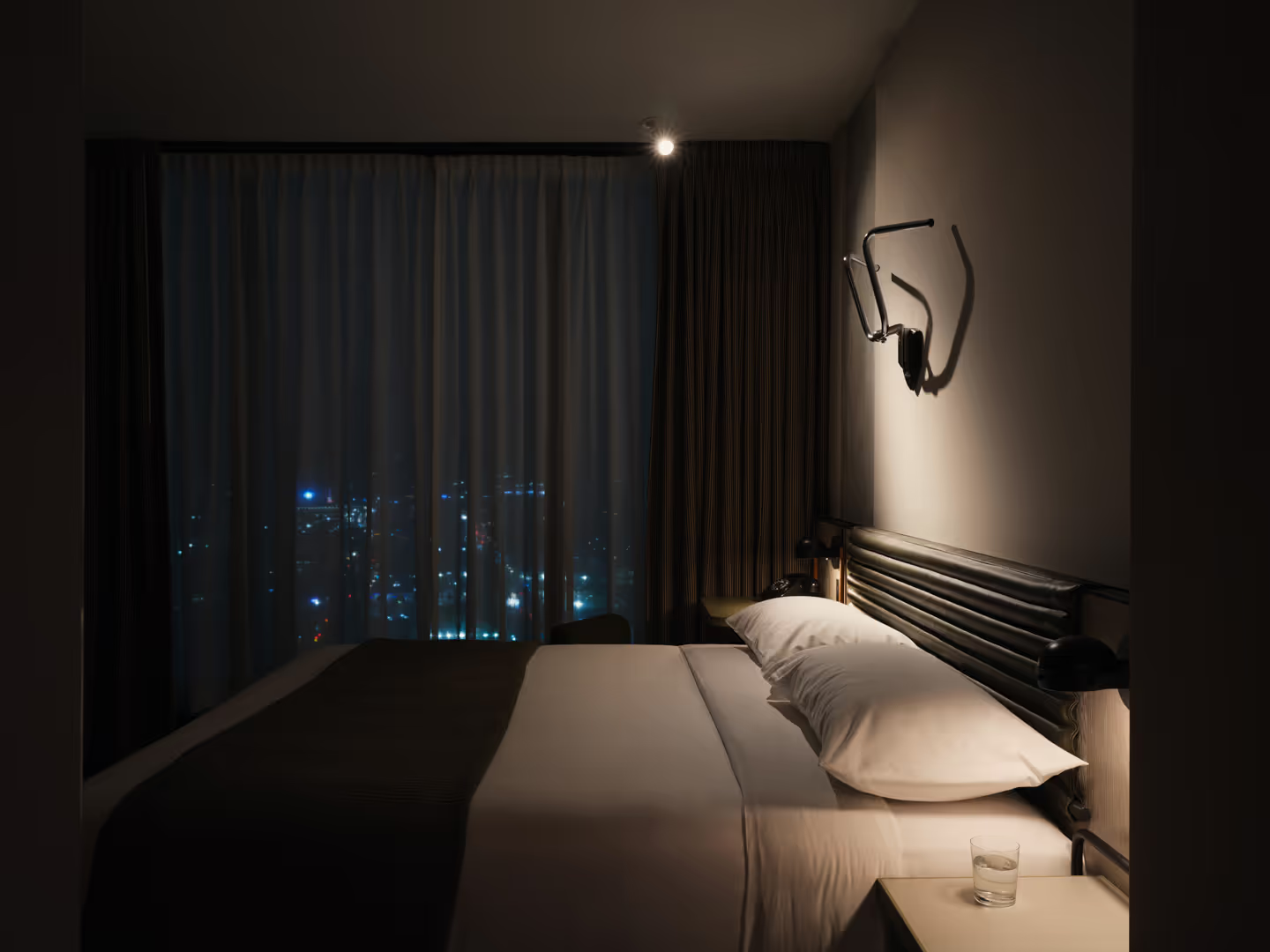
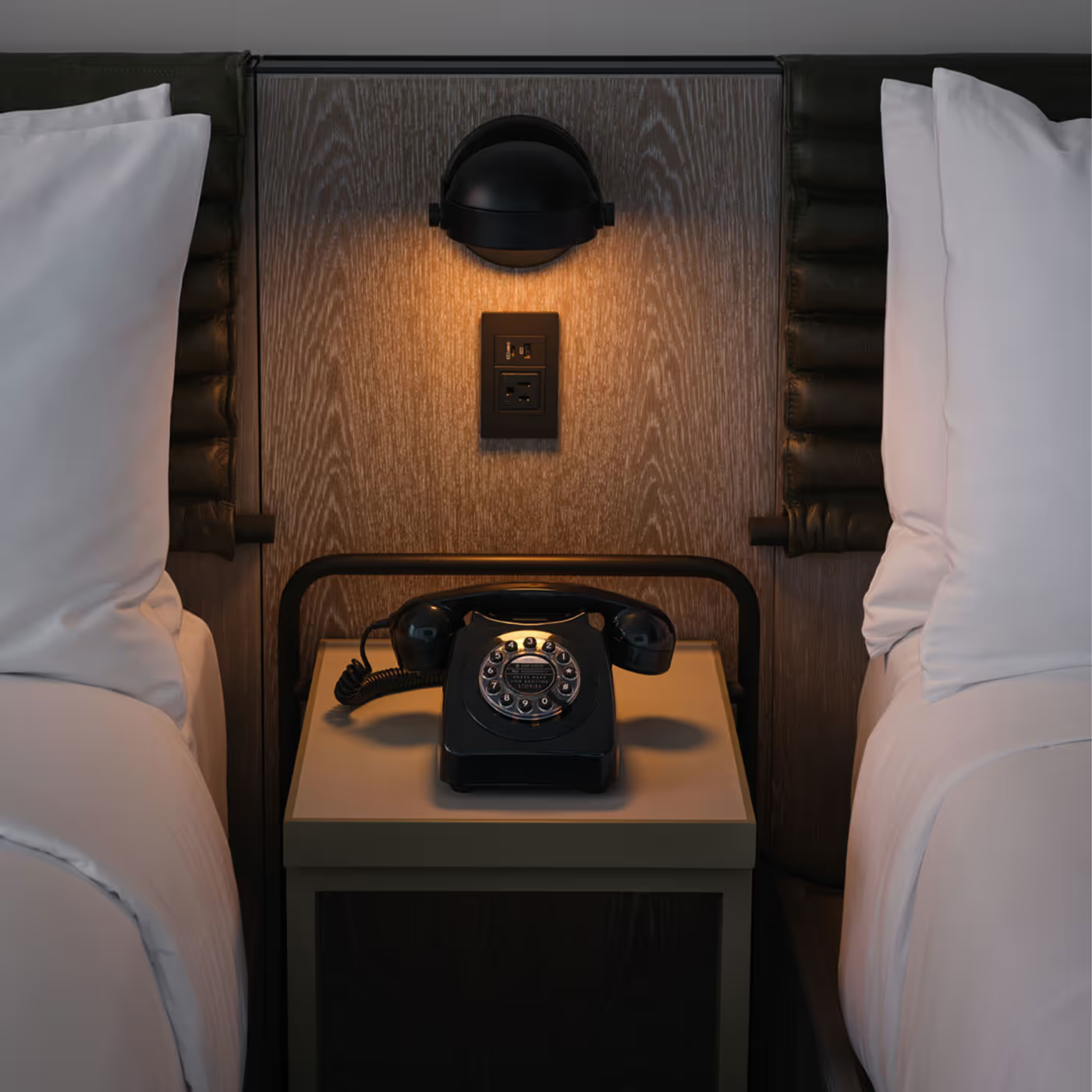
Moxy Times Square marked the debut of Marriott’s European-born brand in North America, redefining the three-star category through efficient planning, flexible programming, and an integrated design process. As one of Manhattan’s first micro hotels, the project introduced compact rooms with foldable features, concealed storage, and materials inspired by urban camping and traditional Japanese ryokans. Developed as a scalable prototype, the flagship established a model that has since guided more than forty Moxy hotels across North America.
Moxy Chelsea 2019
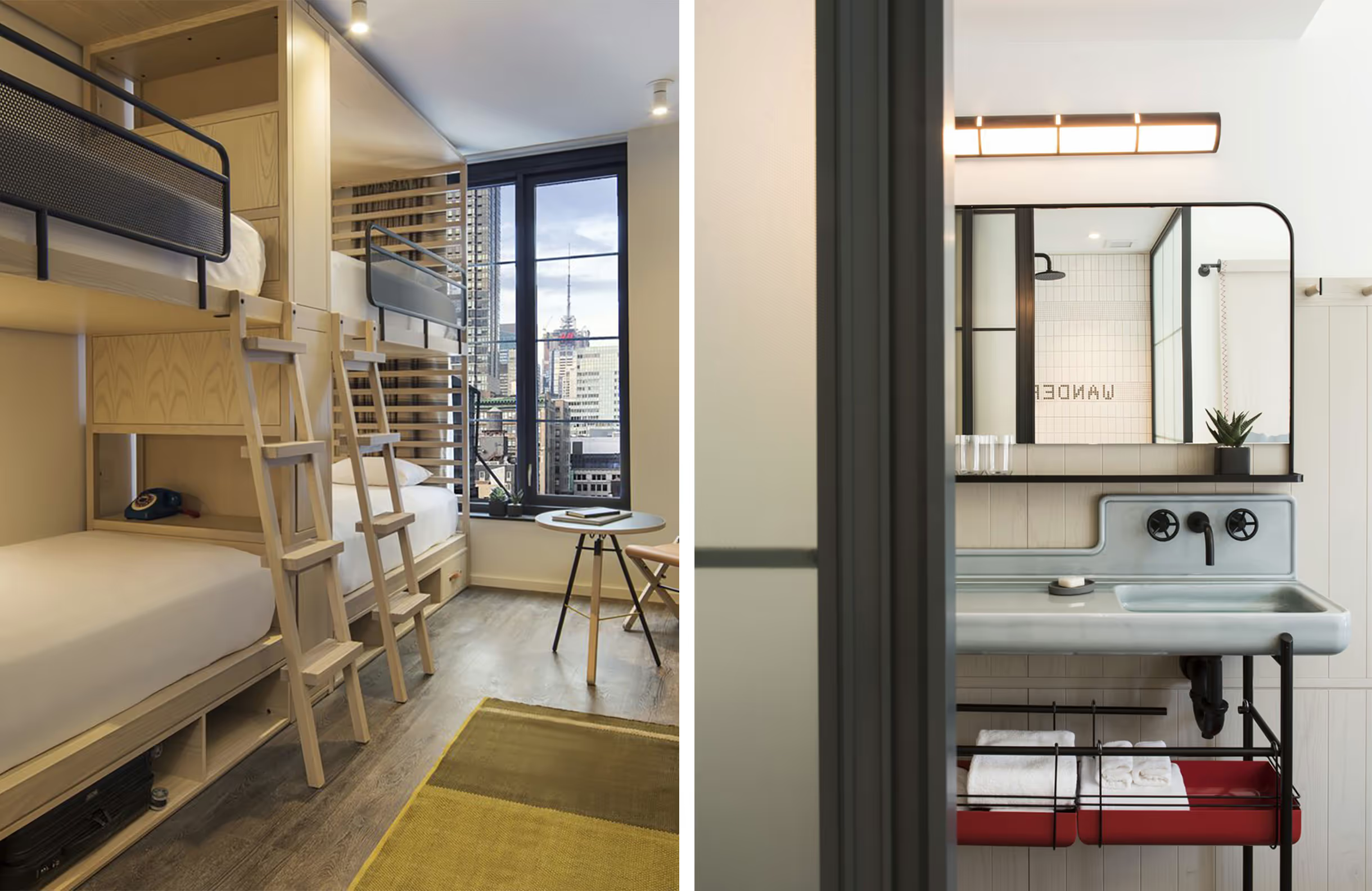
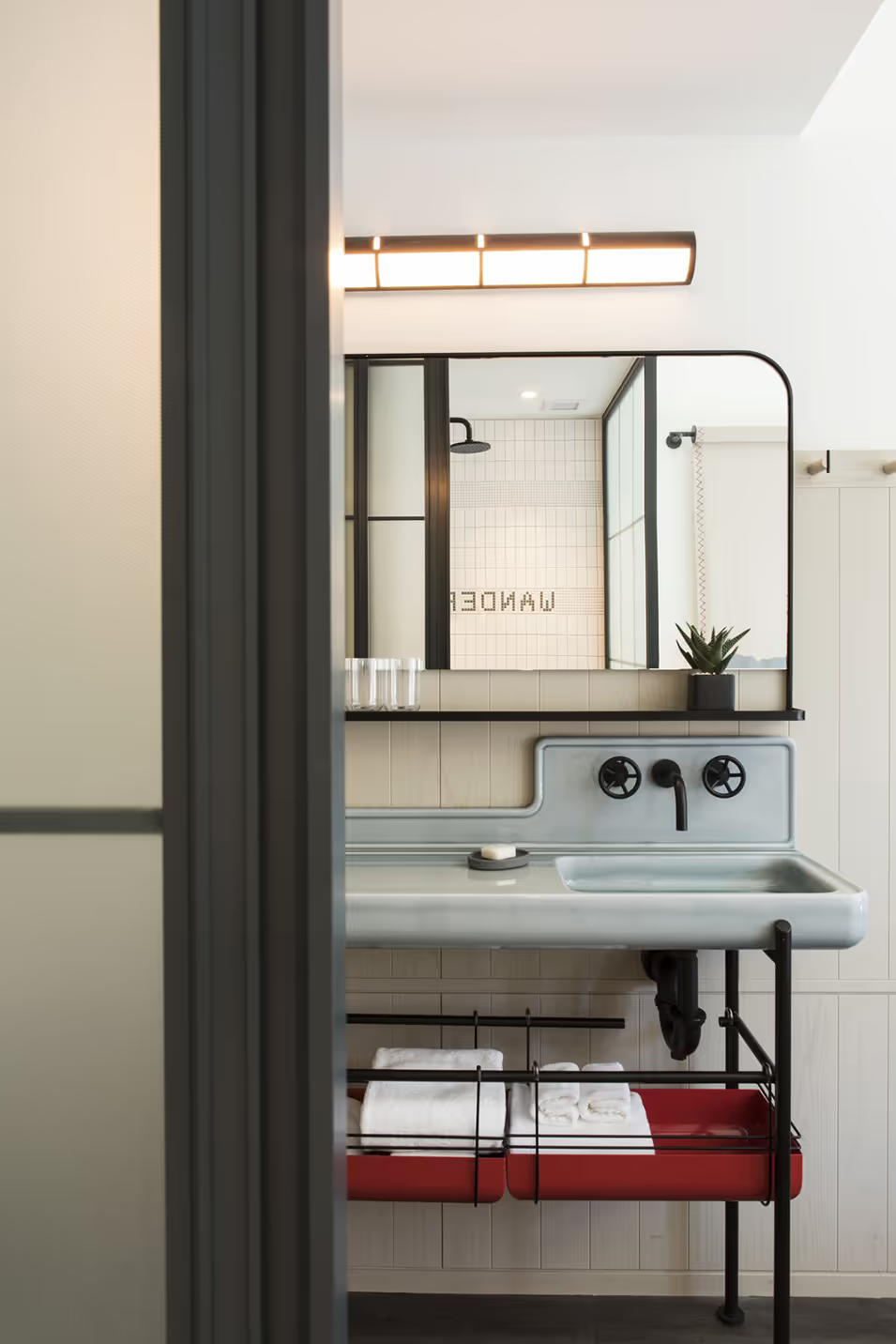
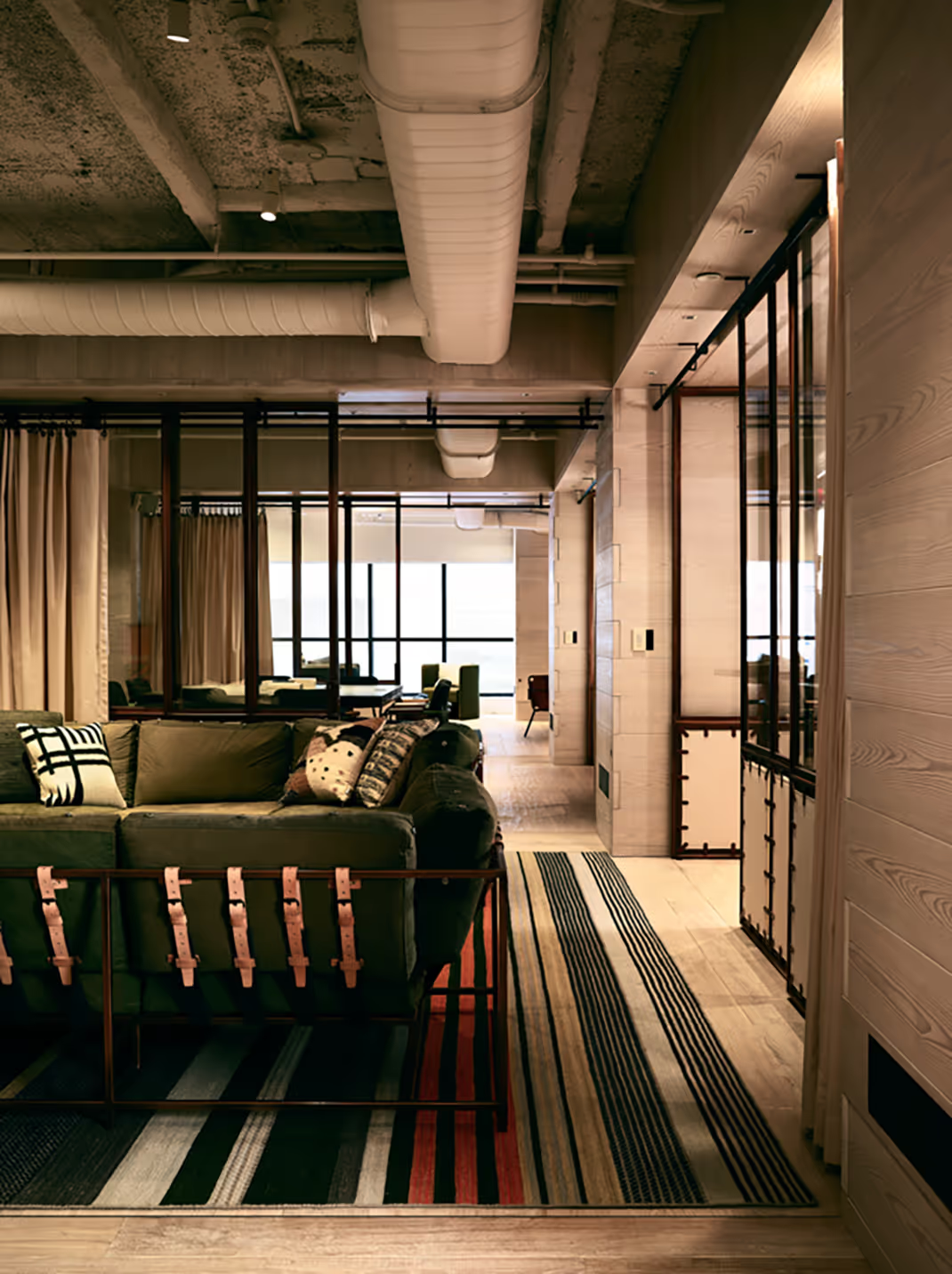
Moxy 28th Street draws from the eclectic spirit of New York’s Flower District, transforming a former wholesale space into a layered hospitality experience that blends crafted detail with contemporary efficiency. A street-level flower shop leads to terraces and planted walls, while a sculptural concrete stair replaces the traditional check-in desk. On the second floor, a flexible lounge includes meeting areas, pantry, and wraparound bar framed by industrial elements and natural light. Guestrooms emphasize adaptability and play through a custom peg system and collapsible furniture, while materials such as stitched canvas headboards and glazed lava stone sinks project a sense of character.
Moxy Downtown Los Angeles 2023
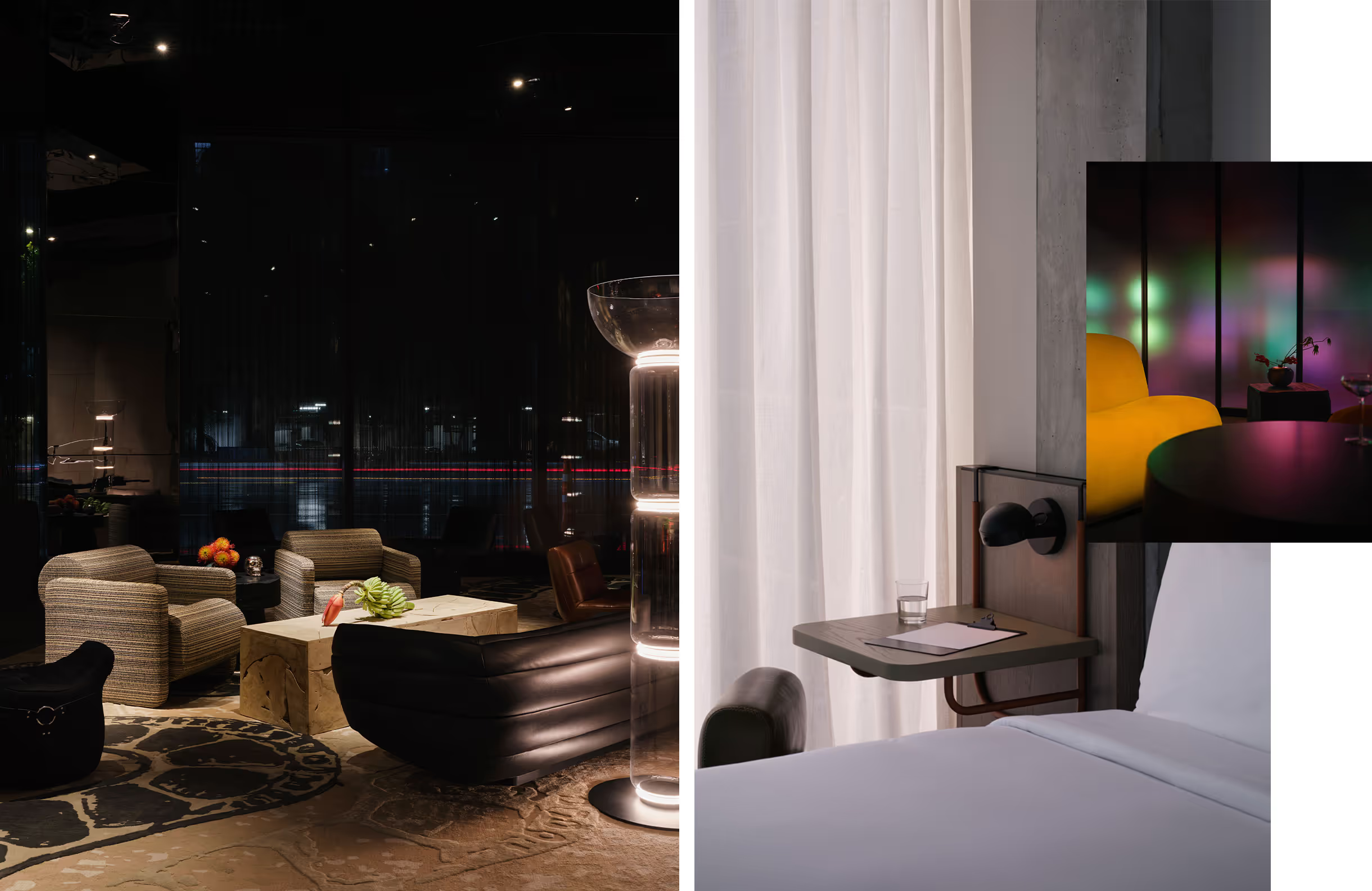
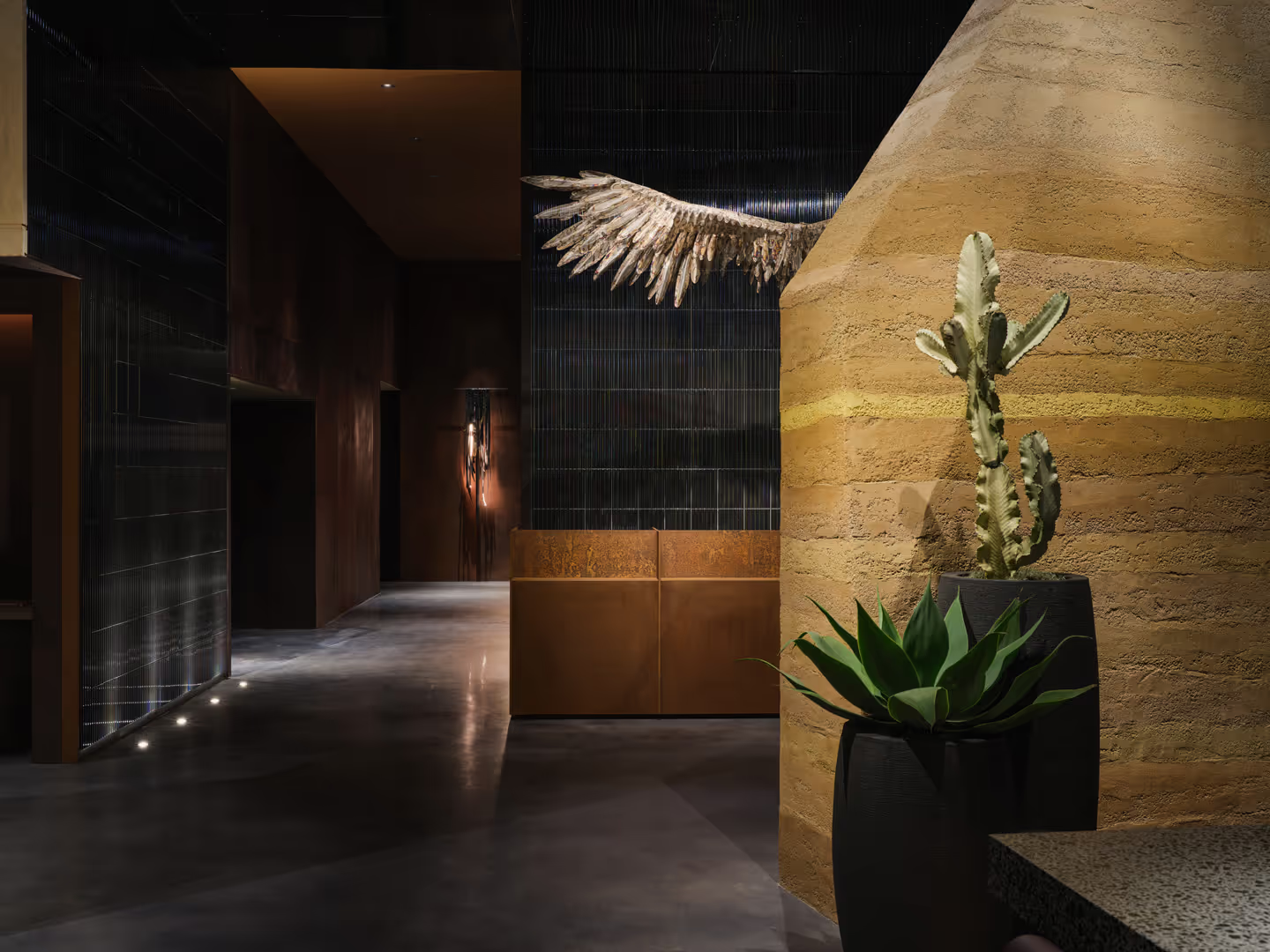
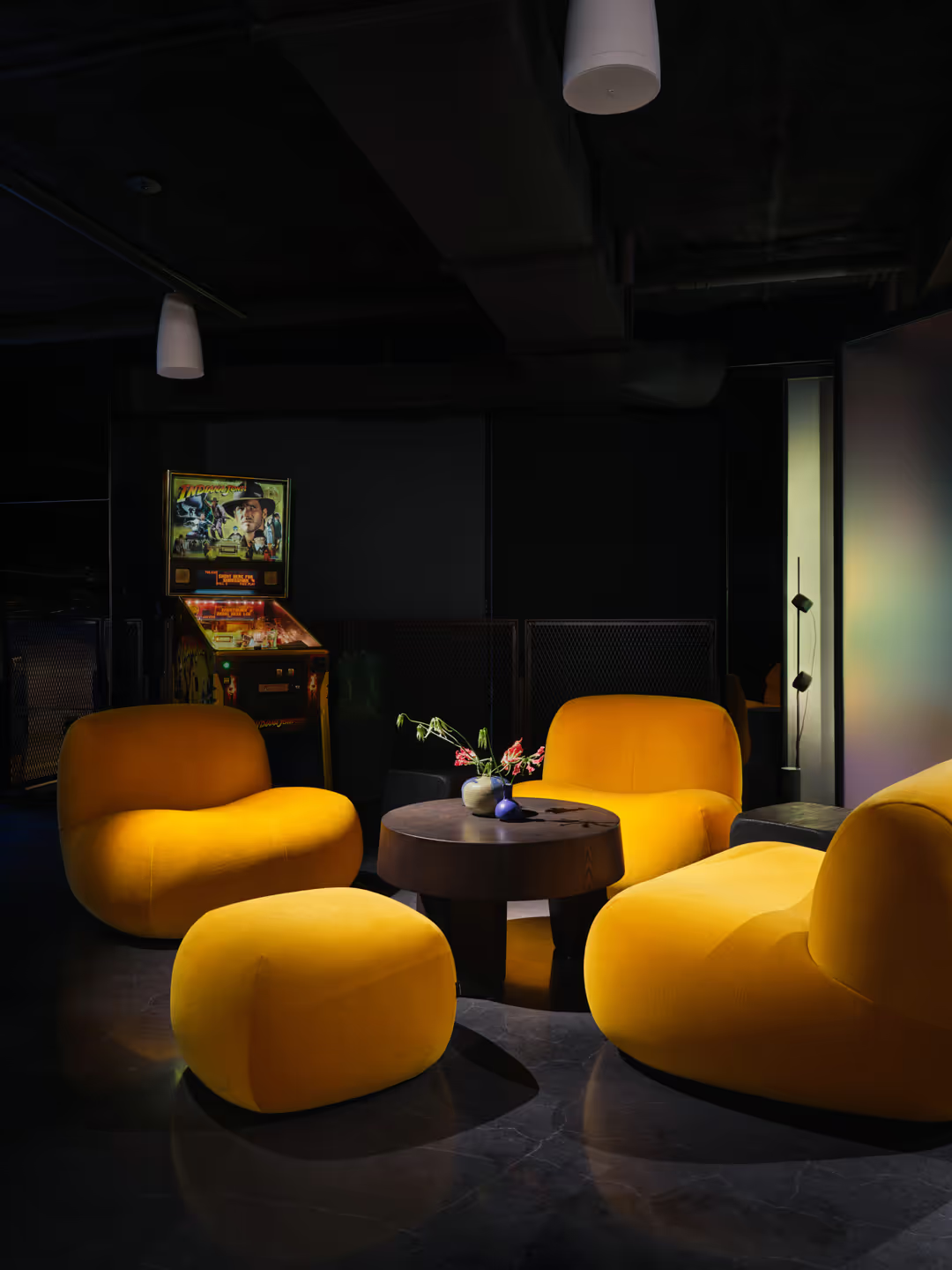
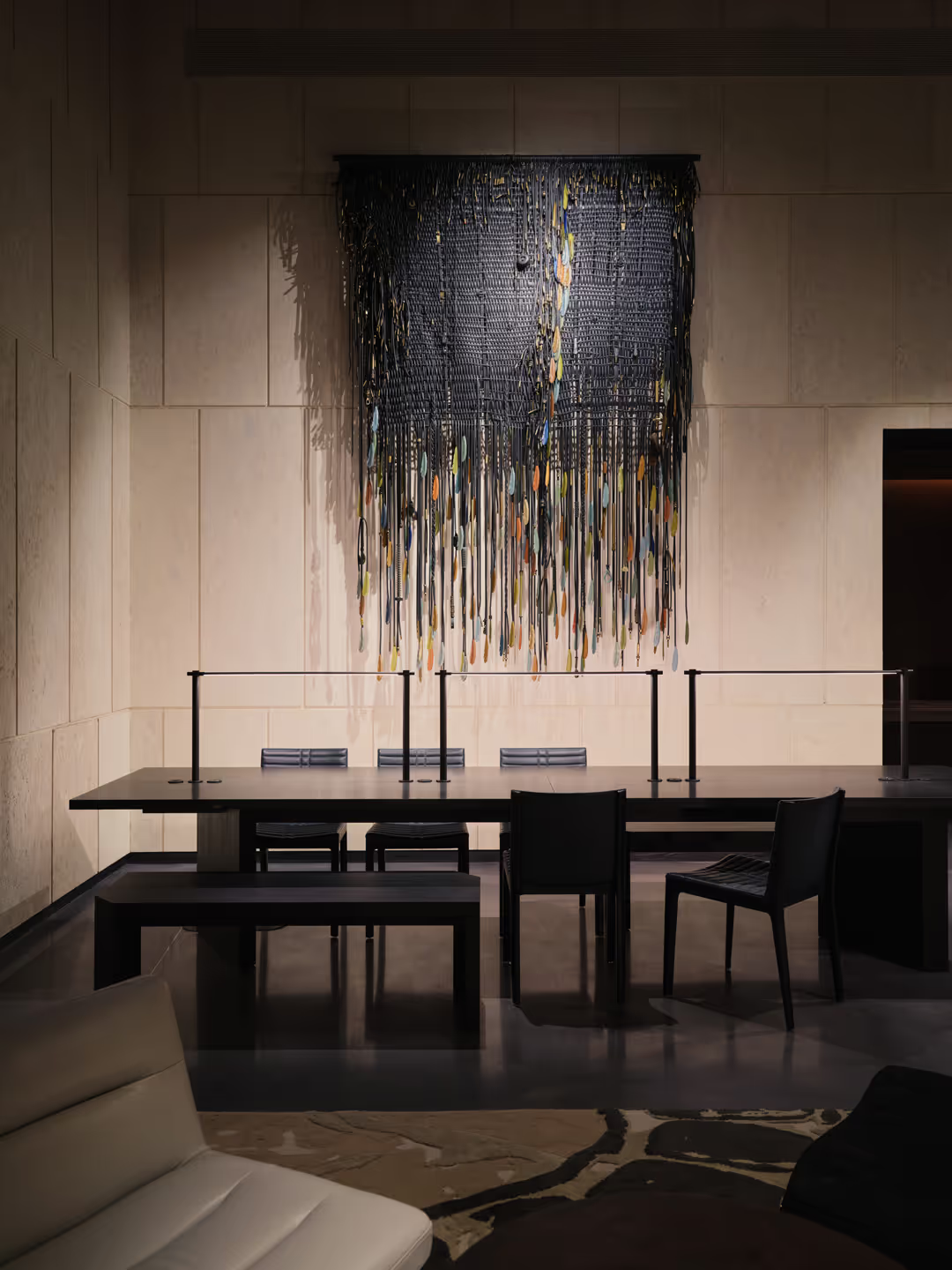
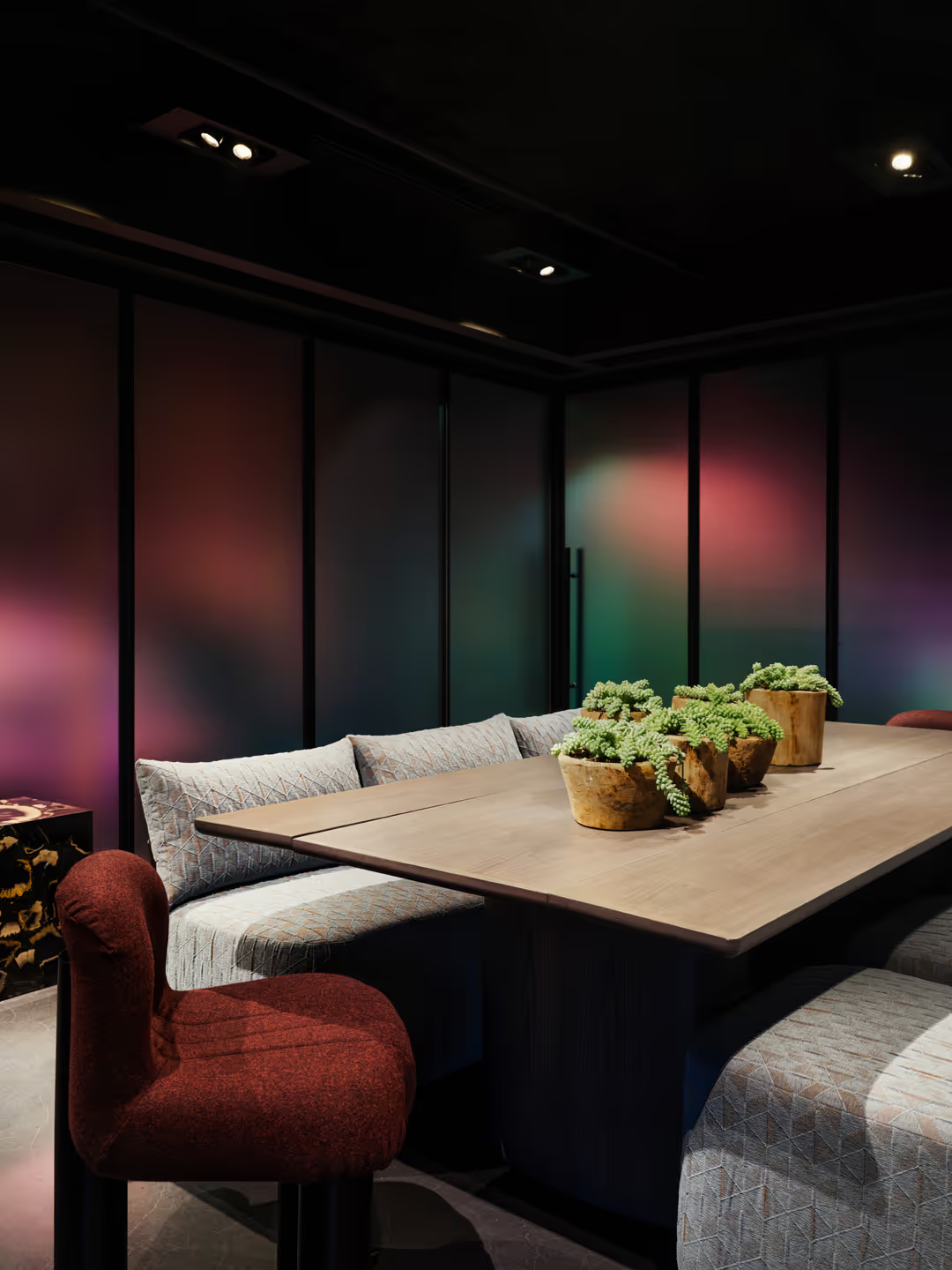
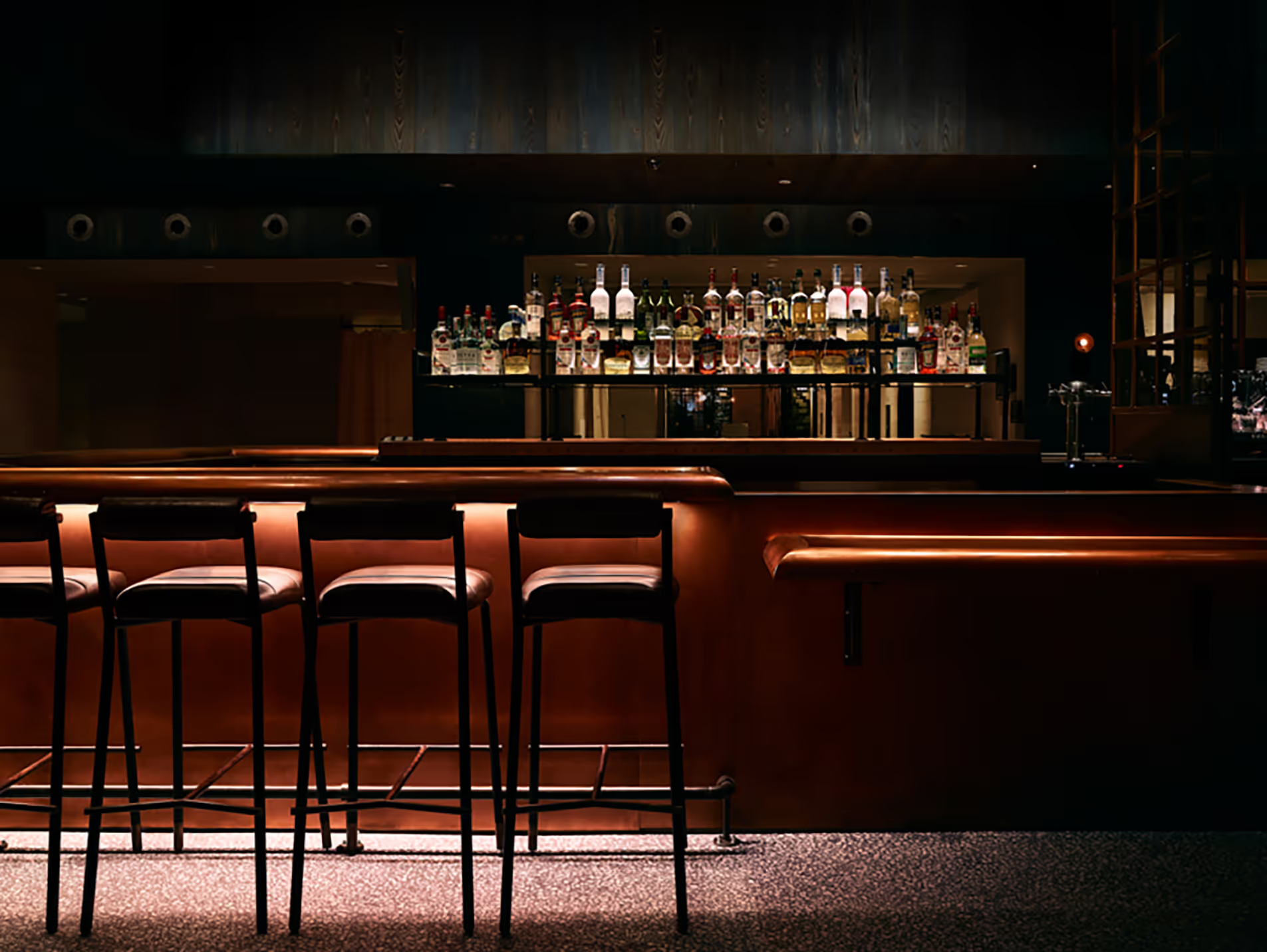
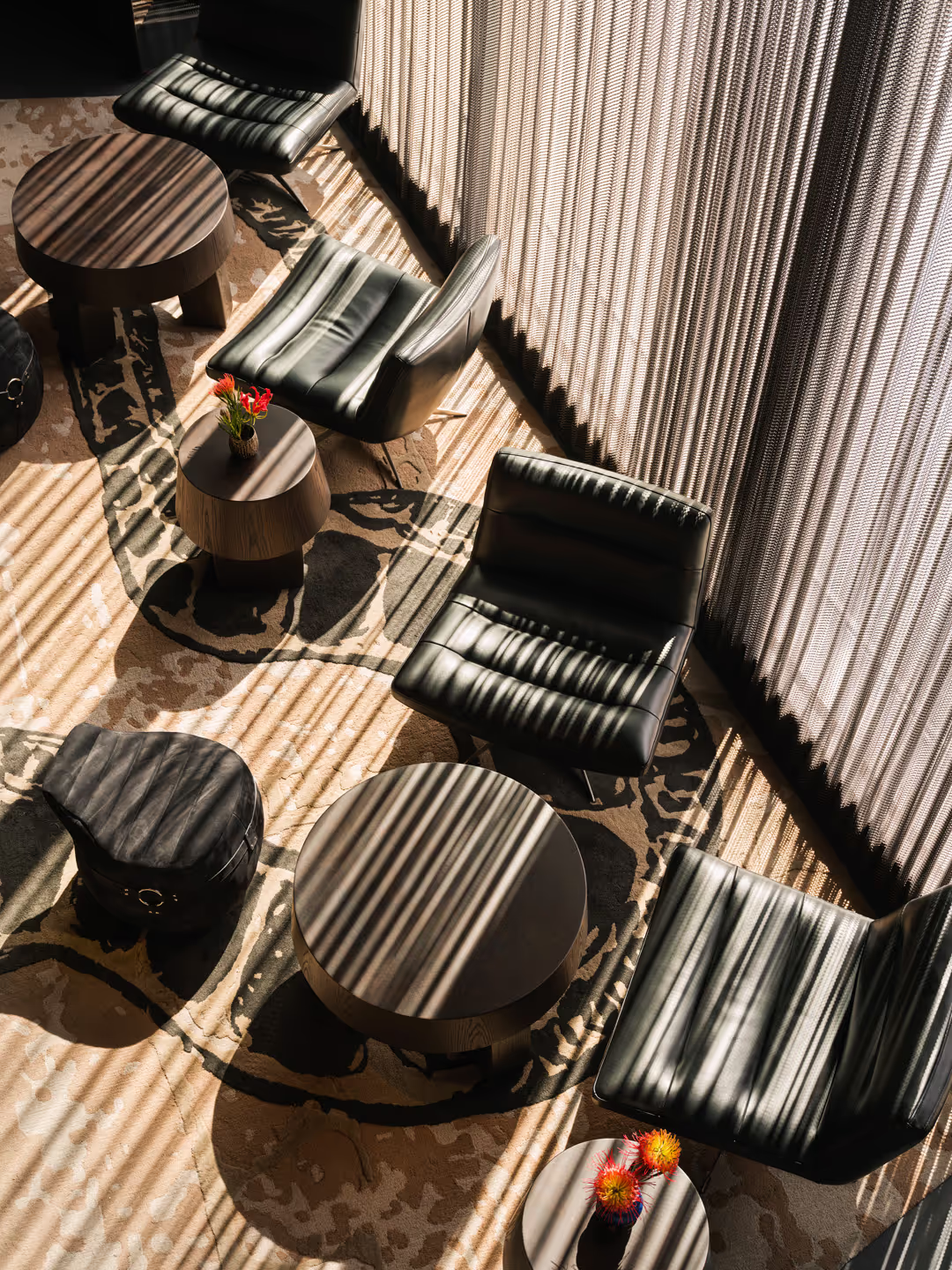
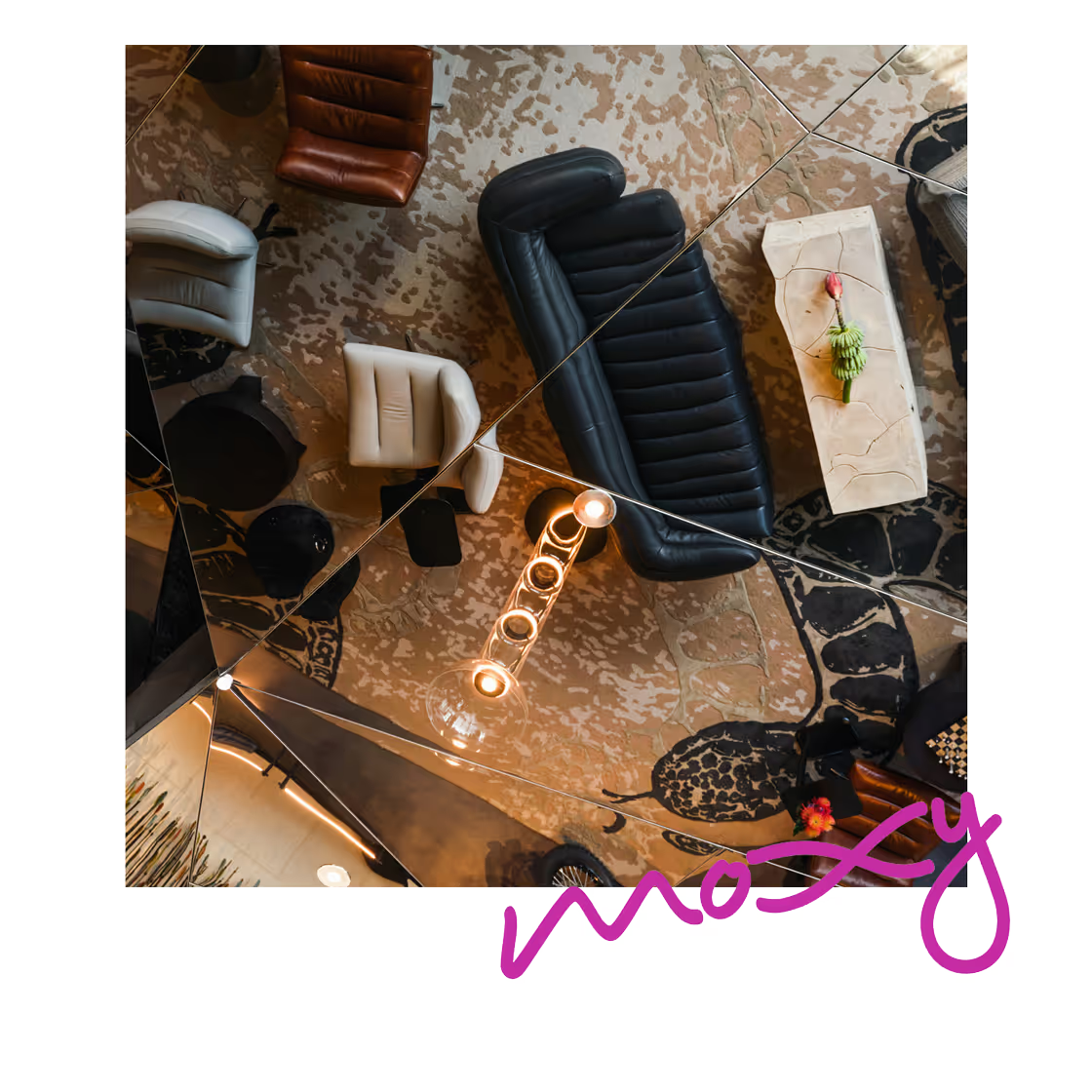
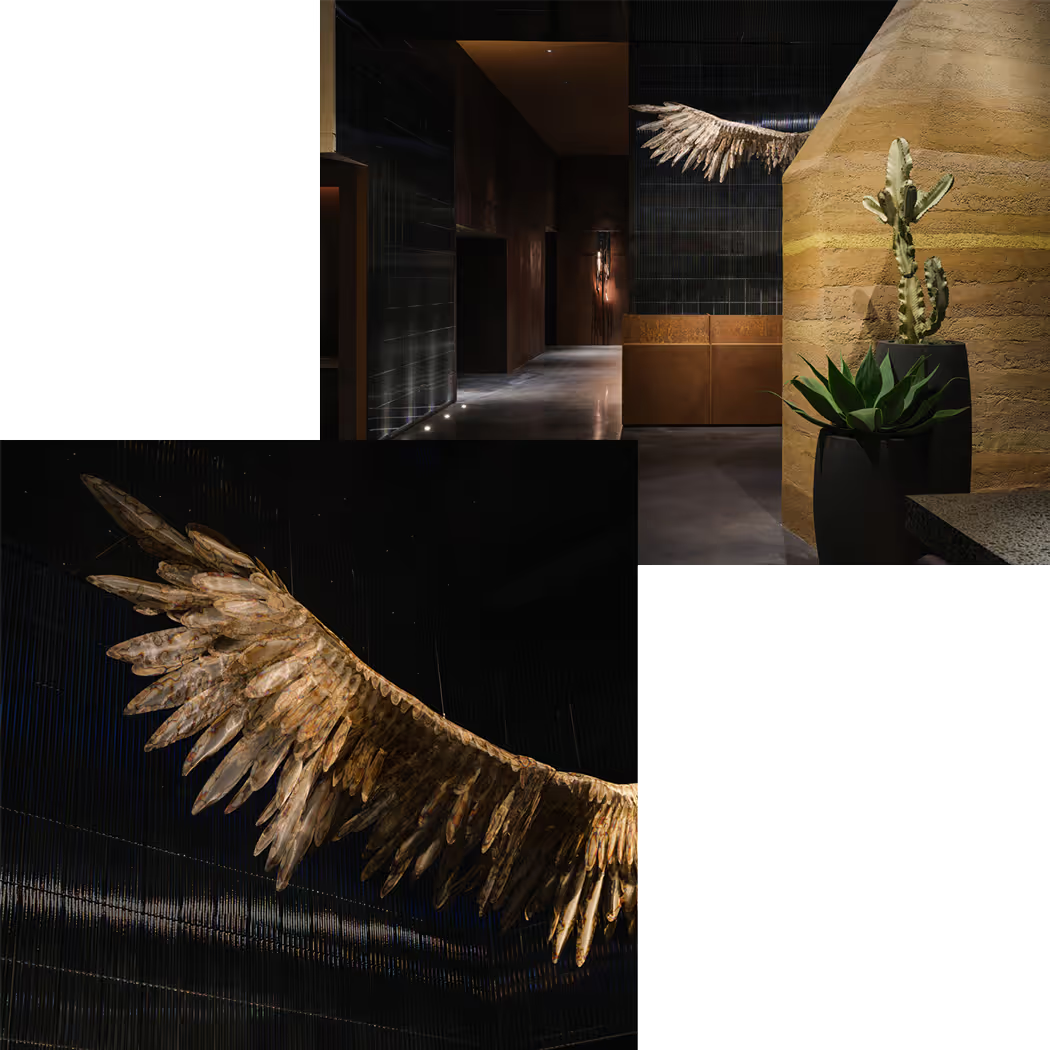
Moxy DTLA translates the brand’s immersive energy into a spatial experience shaped by downtown Los Angeles. Materials such as leather, rammed earth, and copper define the palette, while art installations and adaptable communal spaces foster interaction throughout the day. Developed alongside AC DTLA, the project is a dual hospitality model that balances expressive, community-driven space with its business-focused counterpart.