.svg)
.svg)
When Fashion Found Its Counterpart


what we’ve made
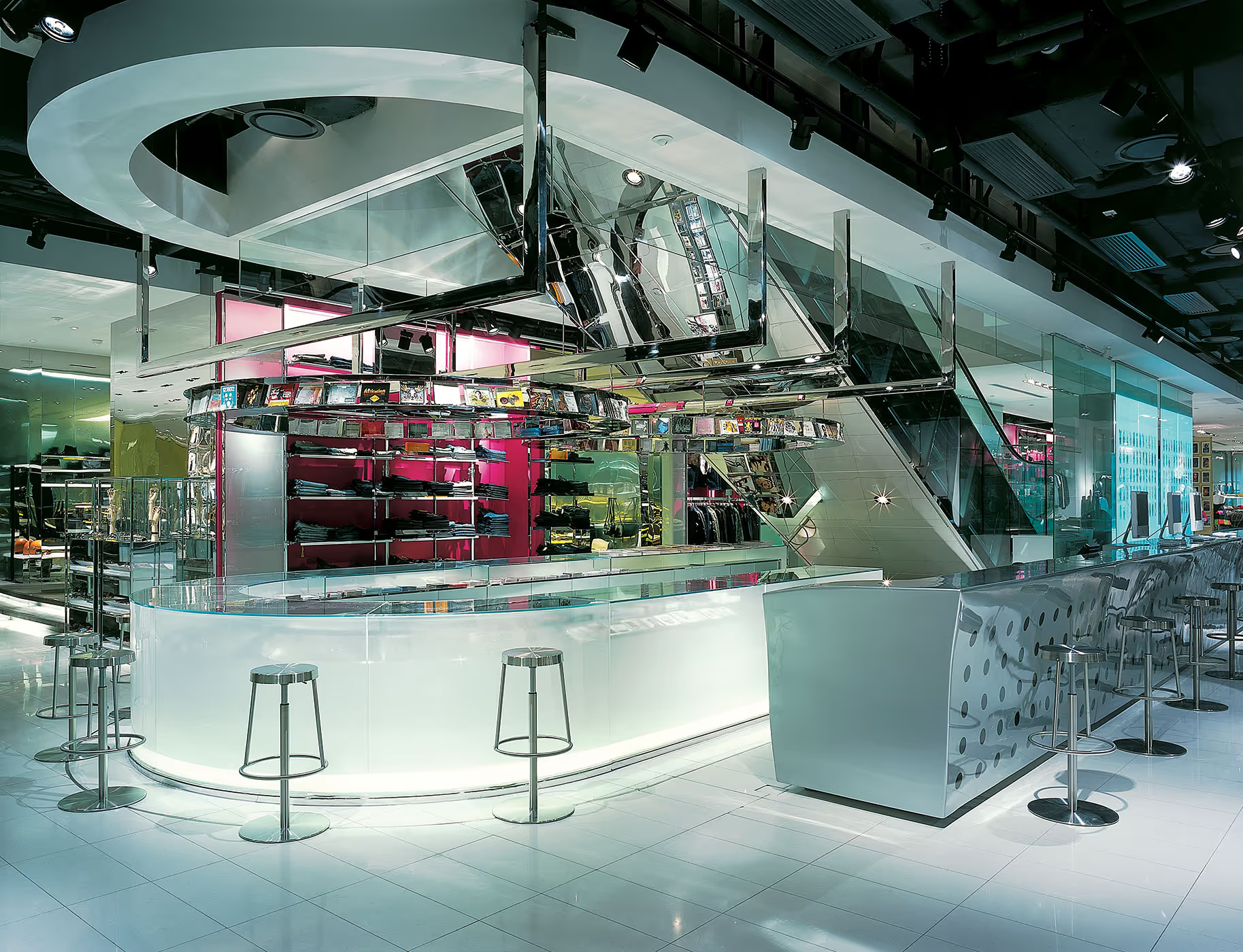
Pacific Place 2005
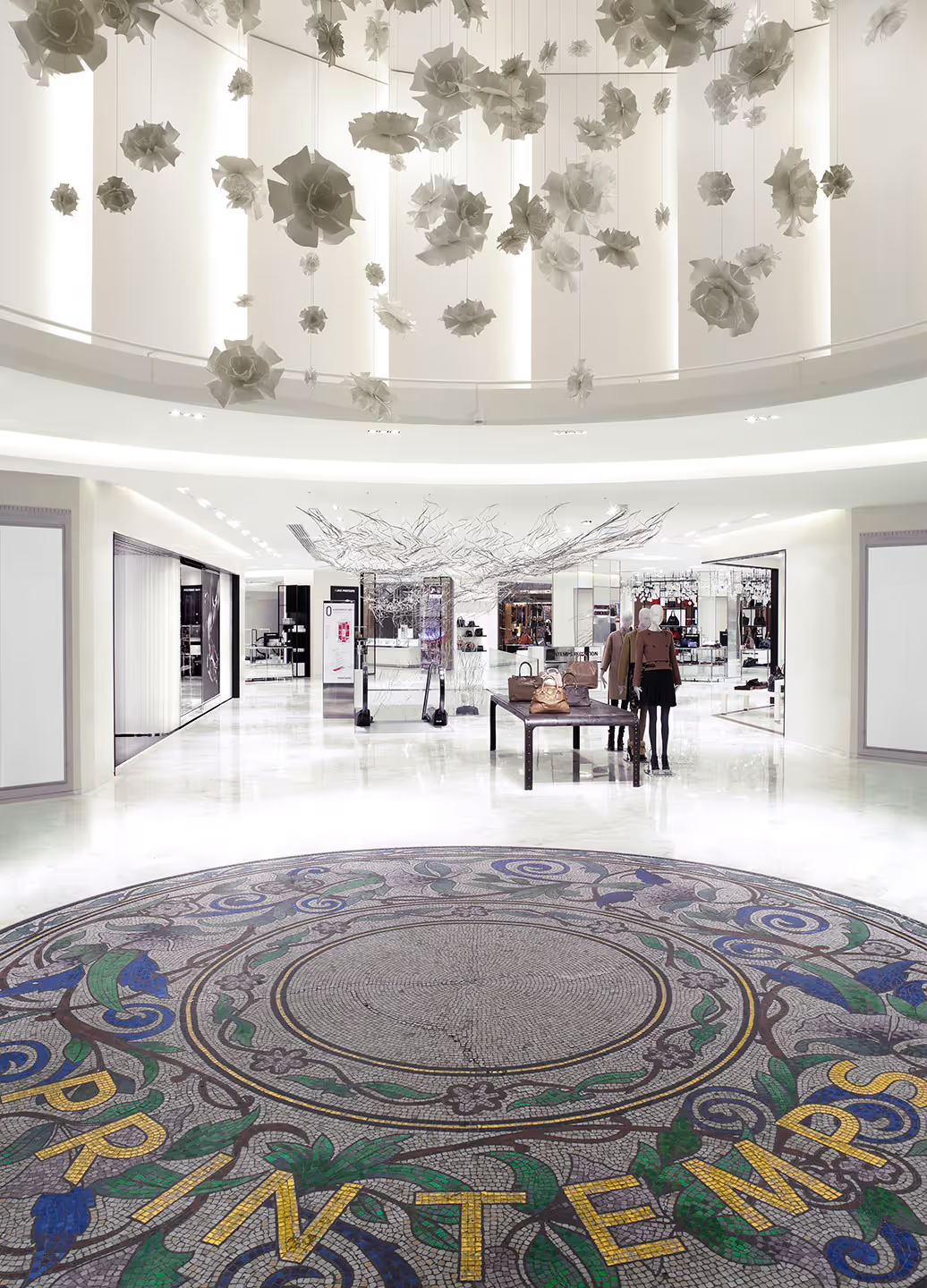
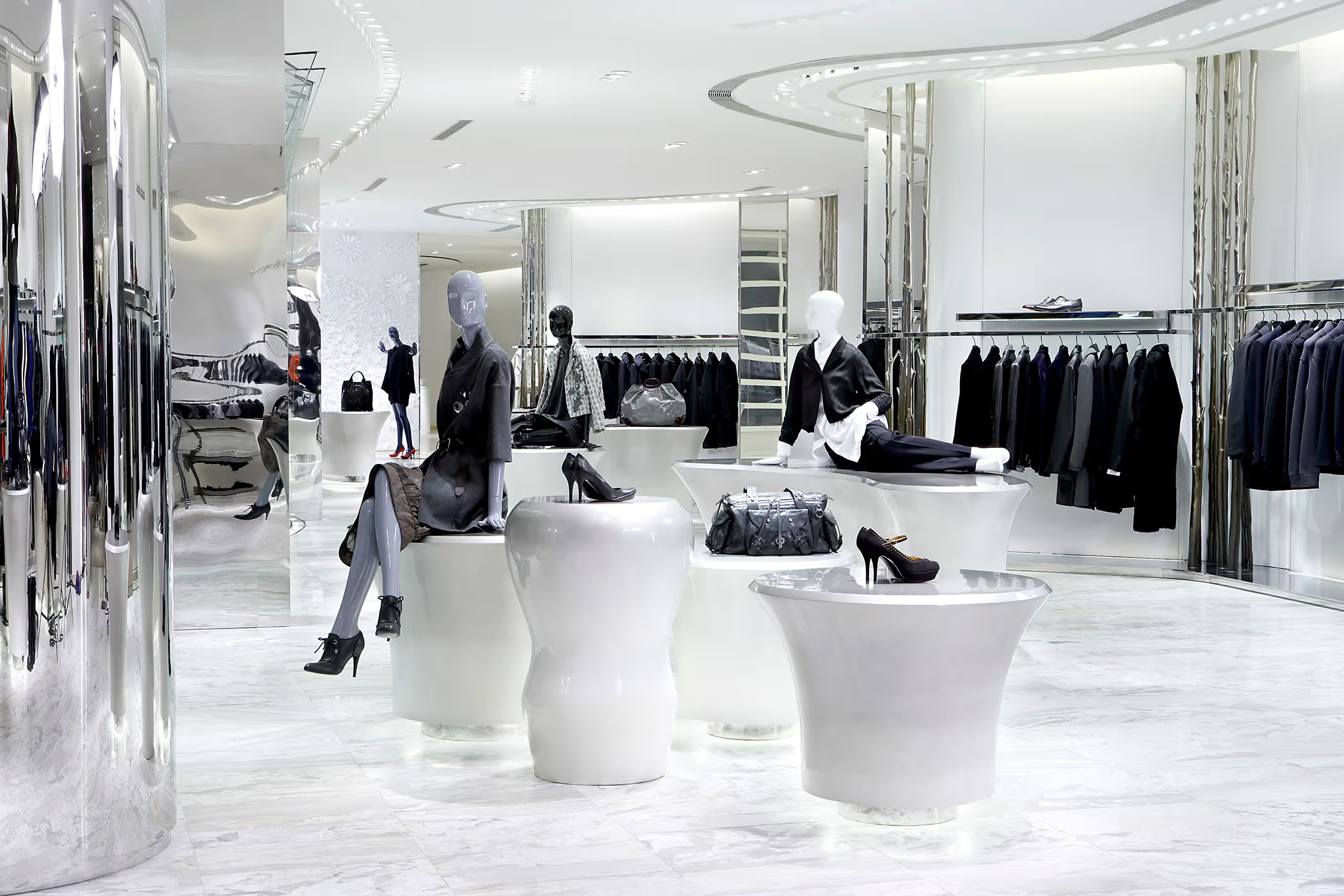
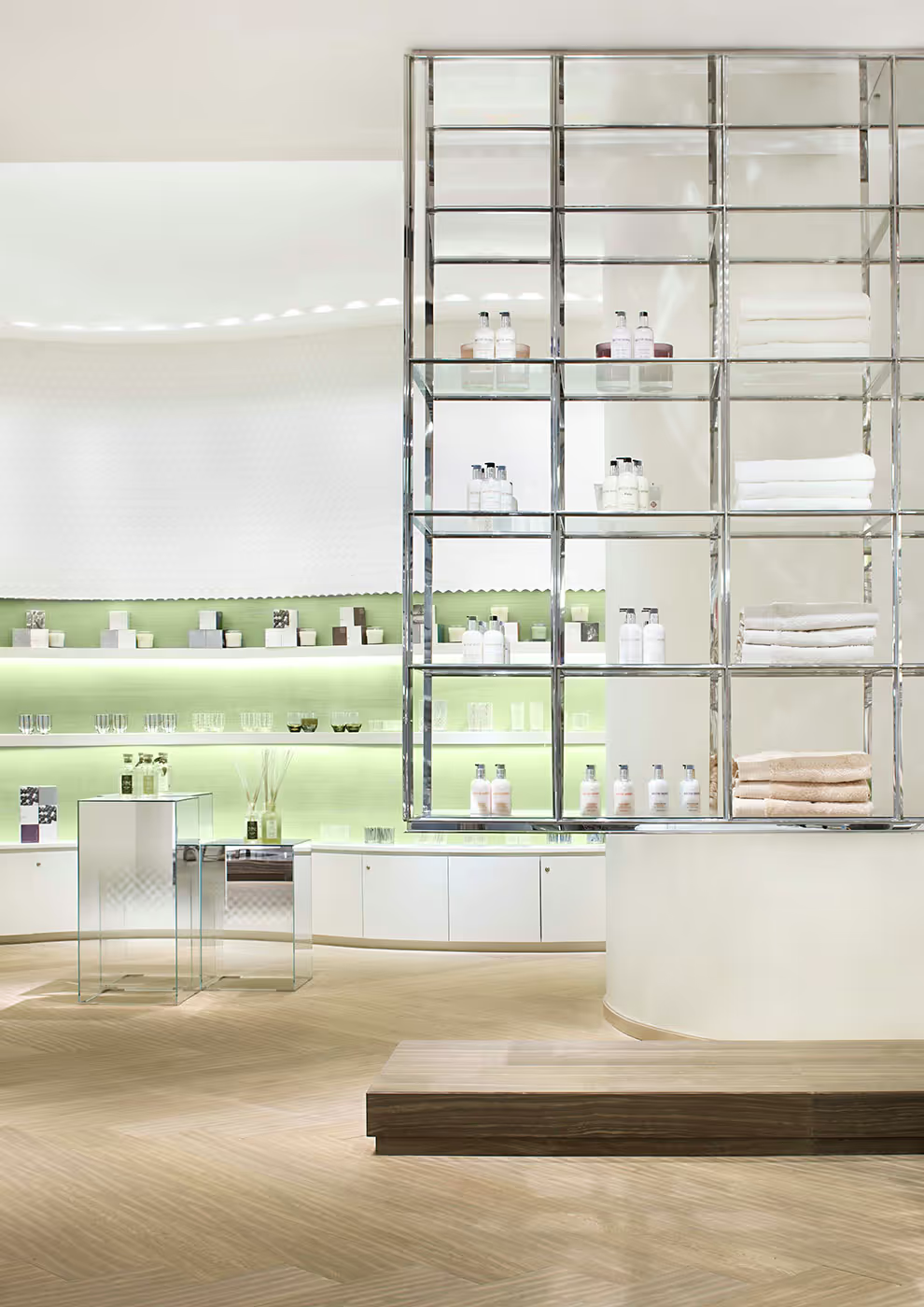
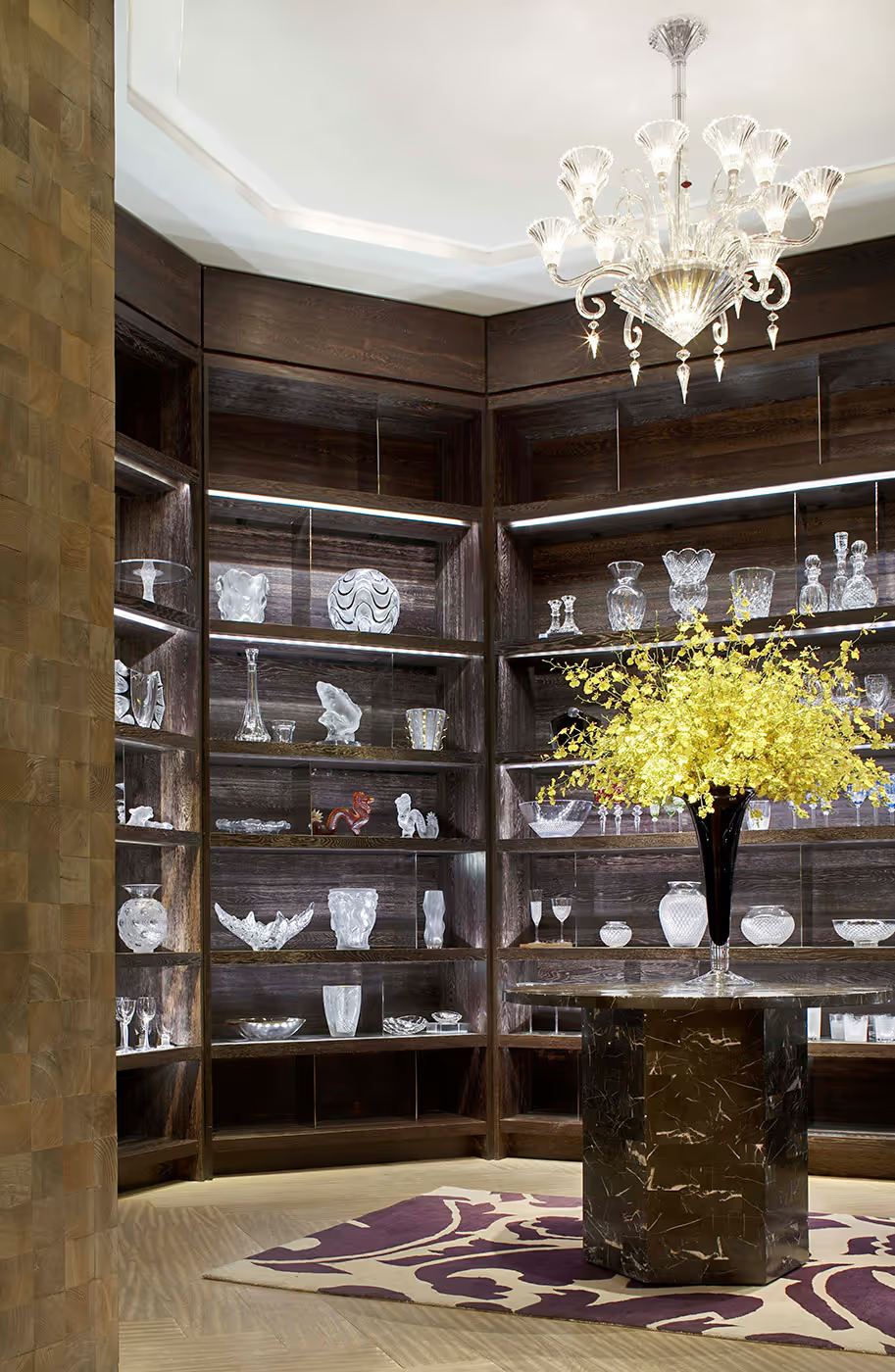
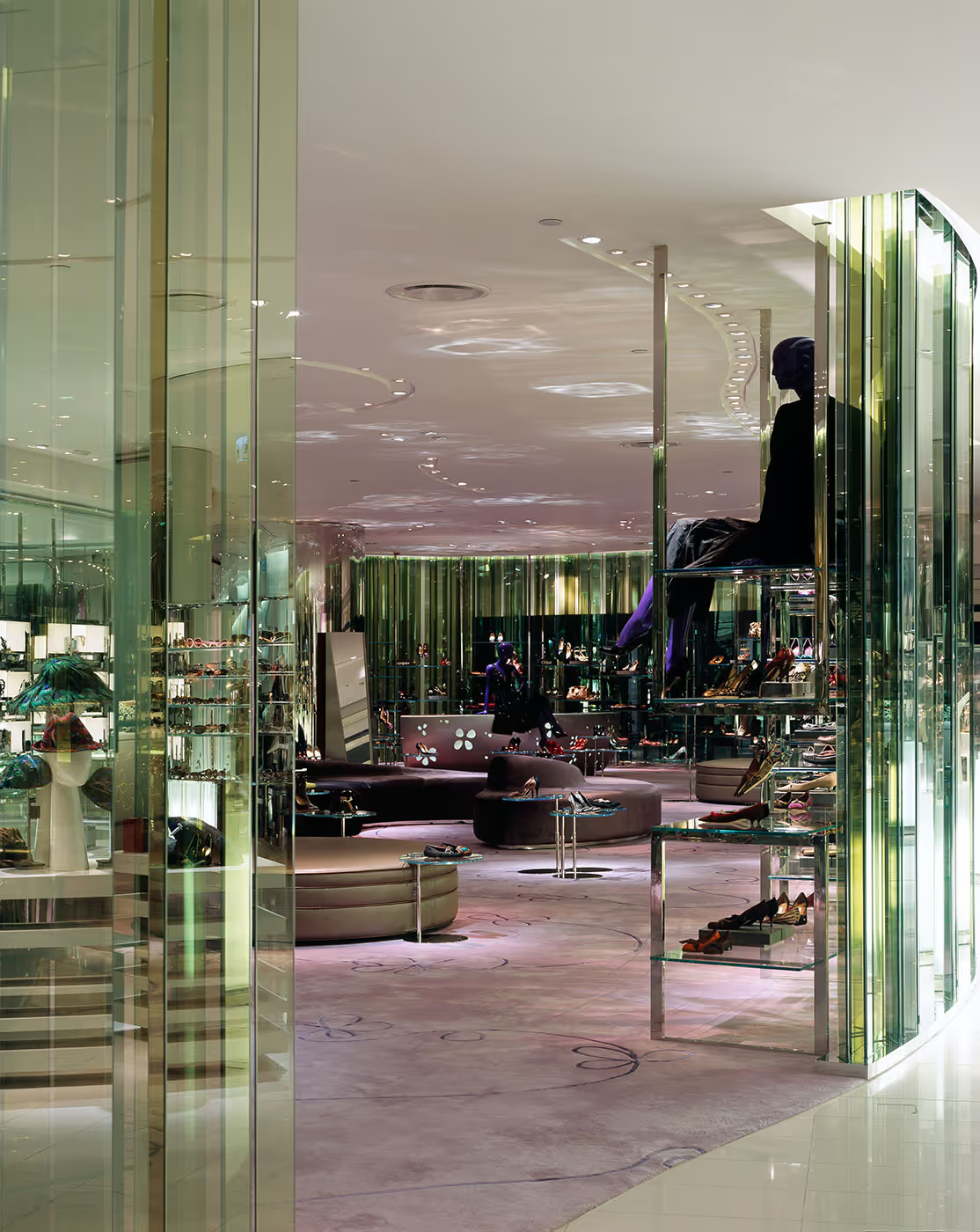
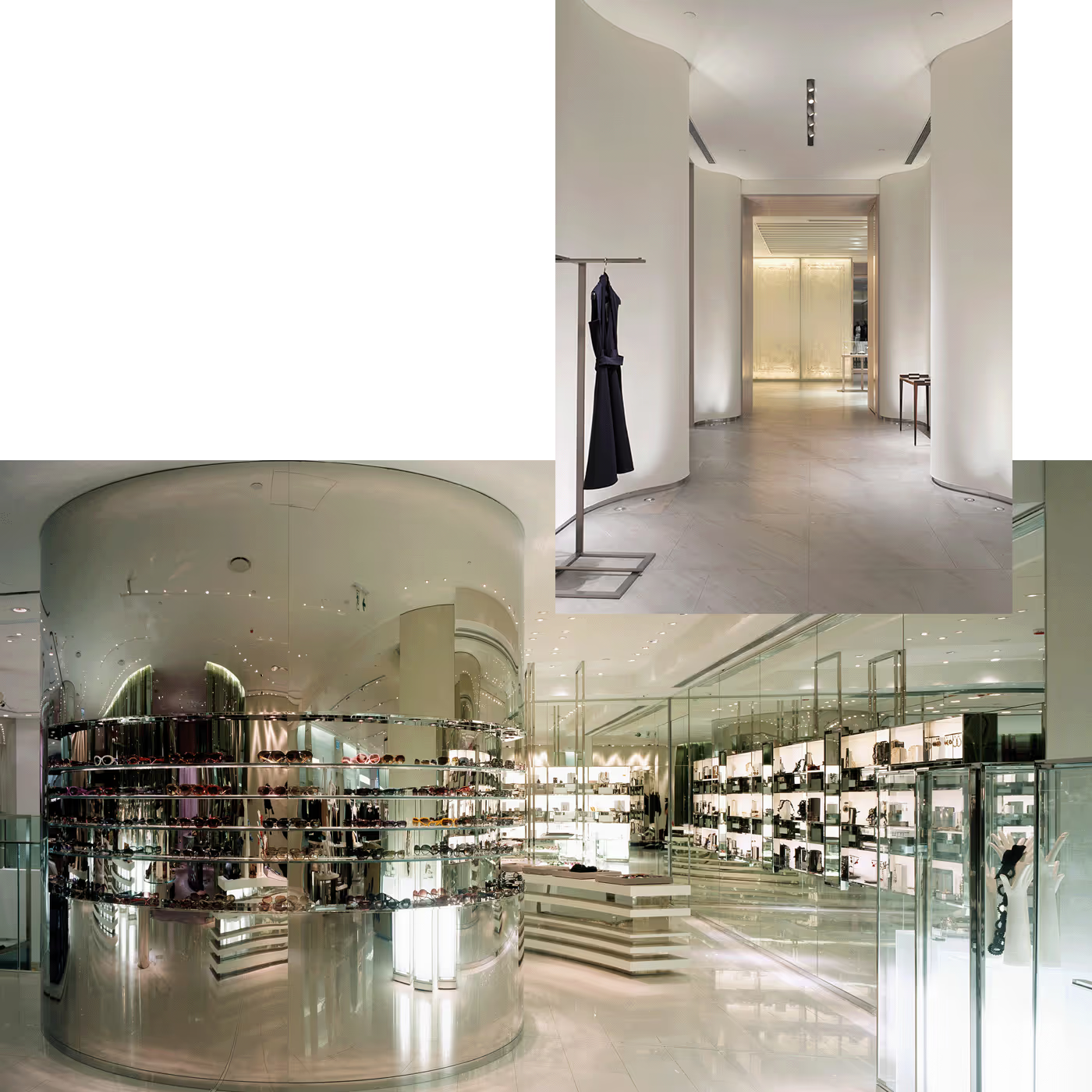
The Pacific Place store marked a pivotal shift toward a more design-conscious retail experience. Spanning 15,000 square feet, the renovation introduced a flexible gallery layout that unites home, technology, fashion, and grooming. A central atrium anchors circulation, with oak, leather, copper, and marble establishing a unified material language. Motion-activated glass walls and sculptural counters bring movement and material clarity, while curated art pieces weave heritage and cultural relevance into a contemporary setting.
IFC Hong Kong 2007
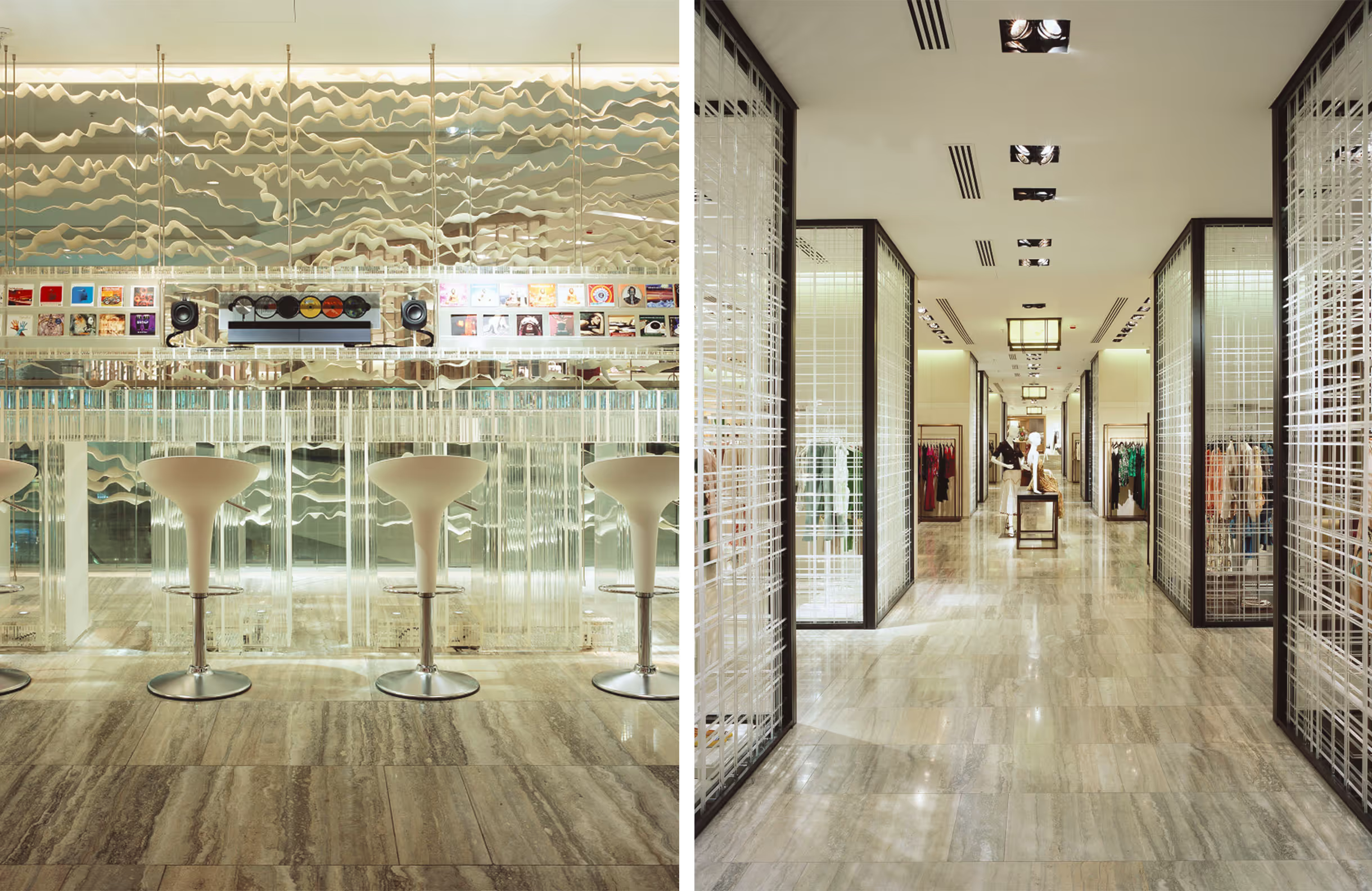
Created to engage a younger, style-focused audience, the 6,000-square-foot IFC Mall store redefines the brand’s presence through a boutique shop model. A material palette of oak, leather, copper, and marble shapes four rooms that rotate with seasonal art installations and curated merchandise displays. Motion-activated video walls, sculptural counters, and a dedicated jewelry salon guide interaction and movement throughout the space. The design introduces a more intimate scale of engagement to invite a new audience.
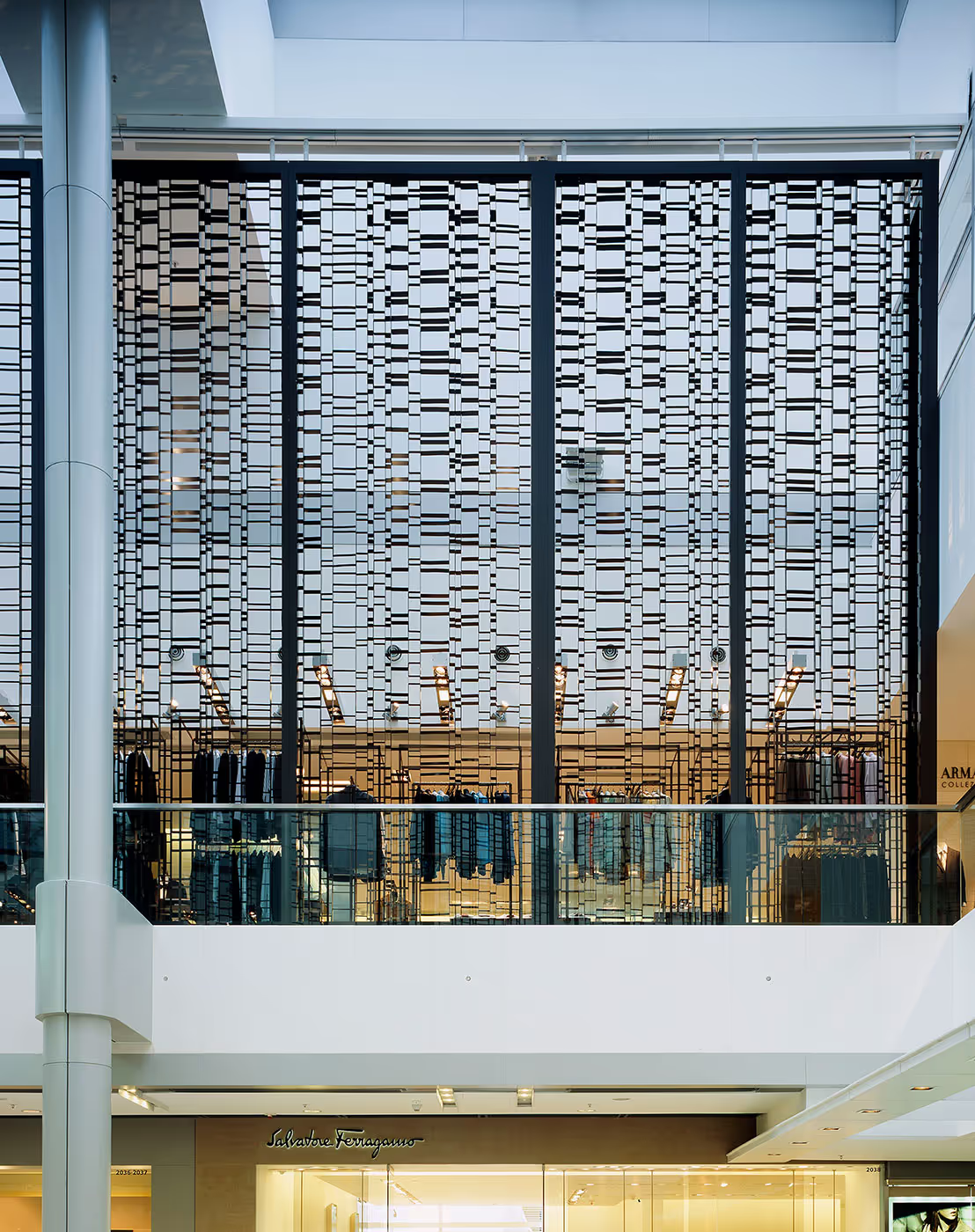
Beijing Yin Tai Centre 2008
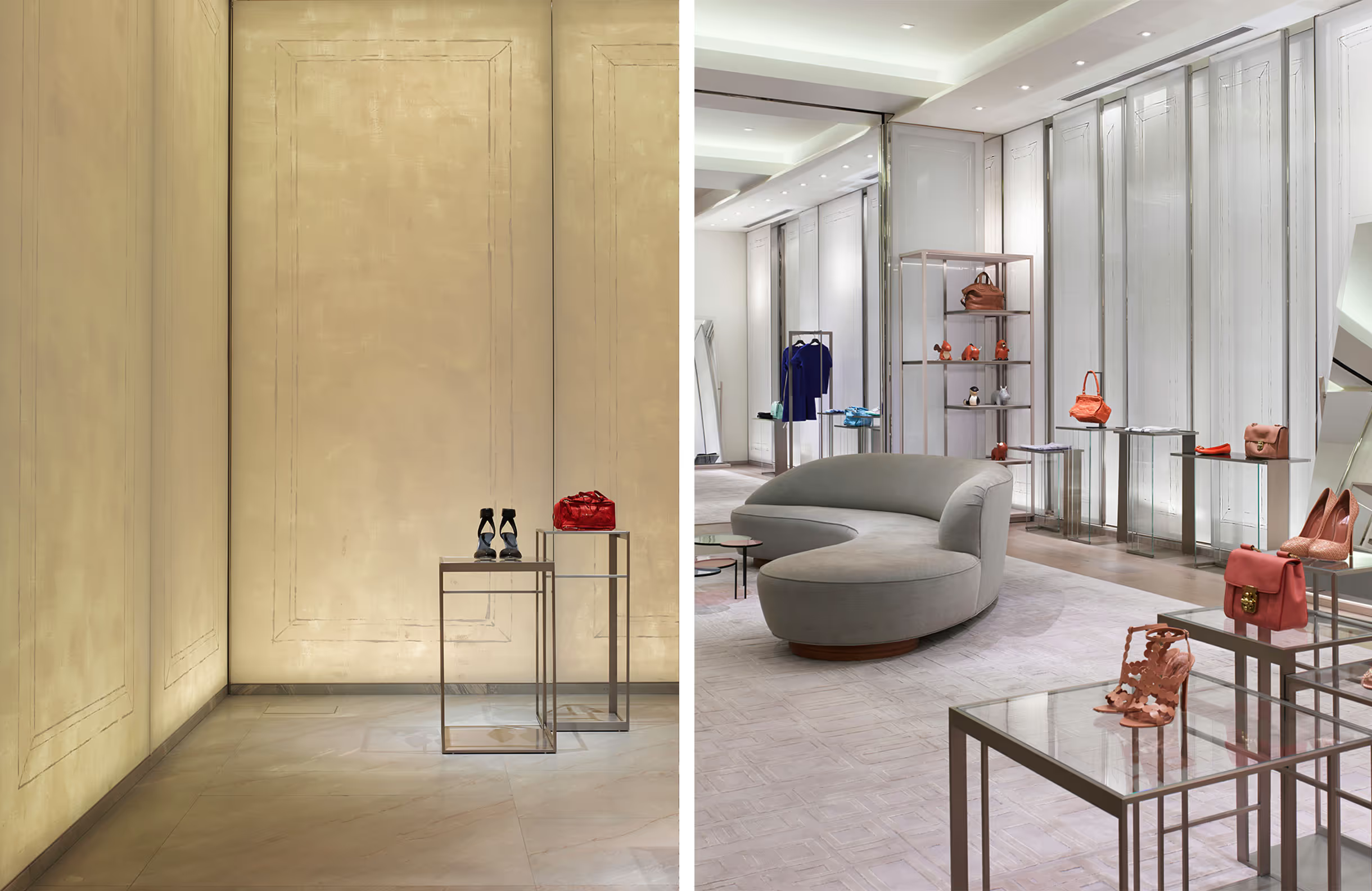
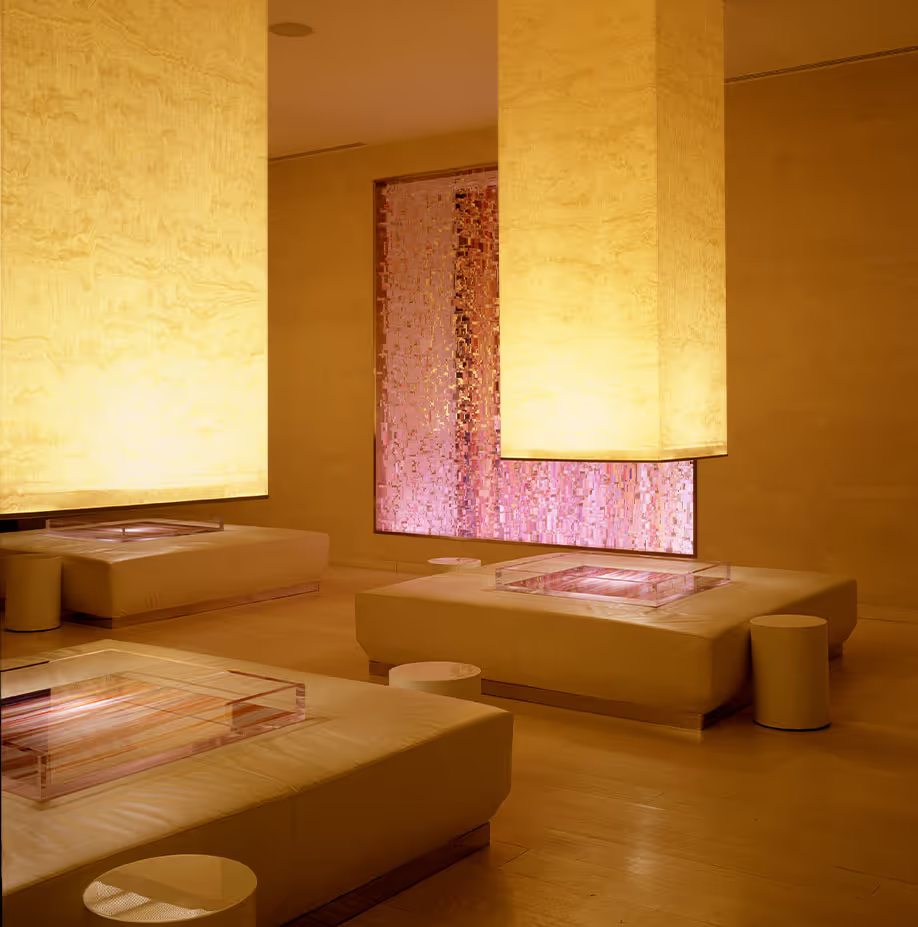
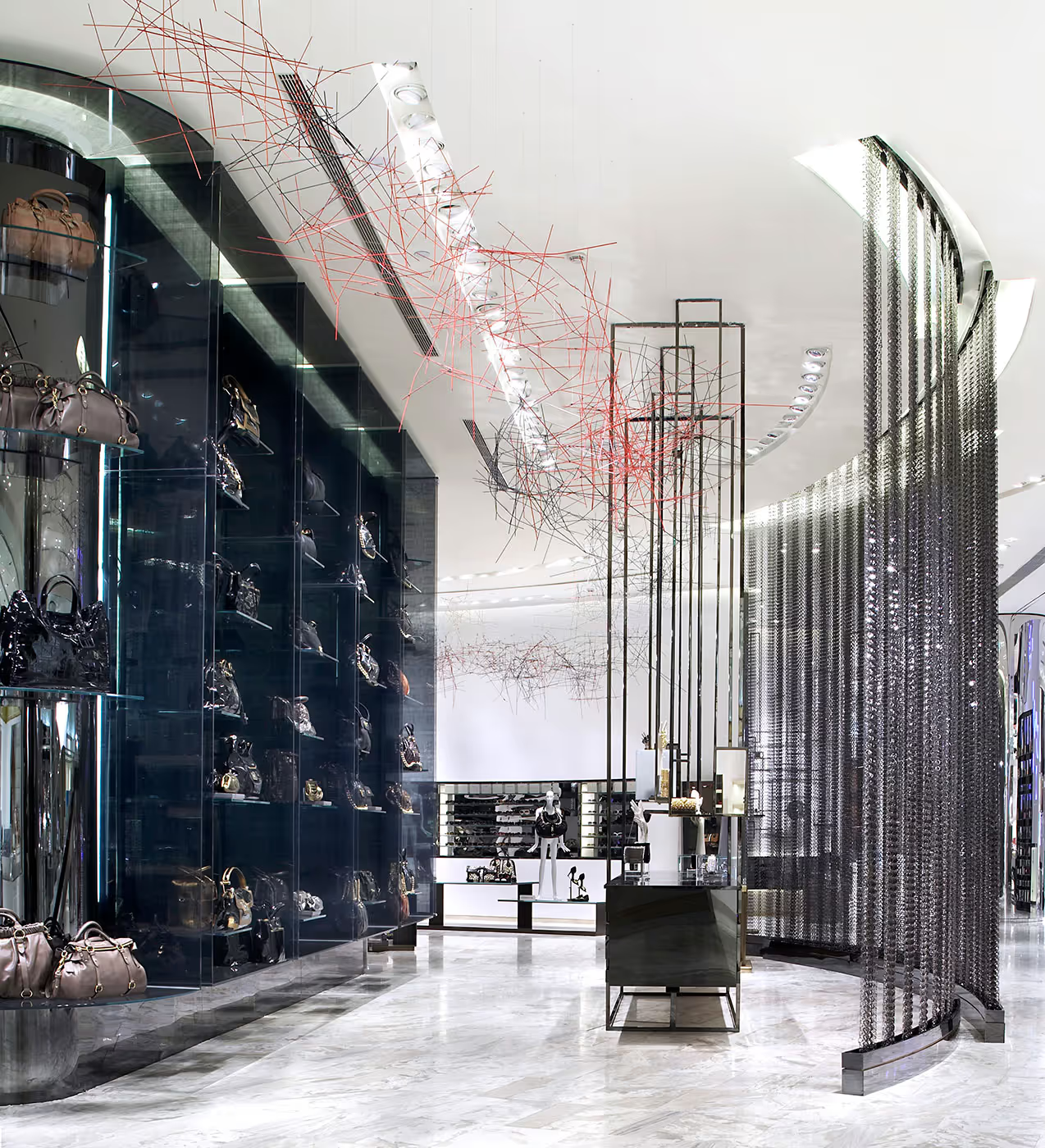
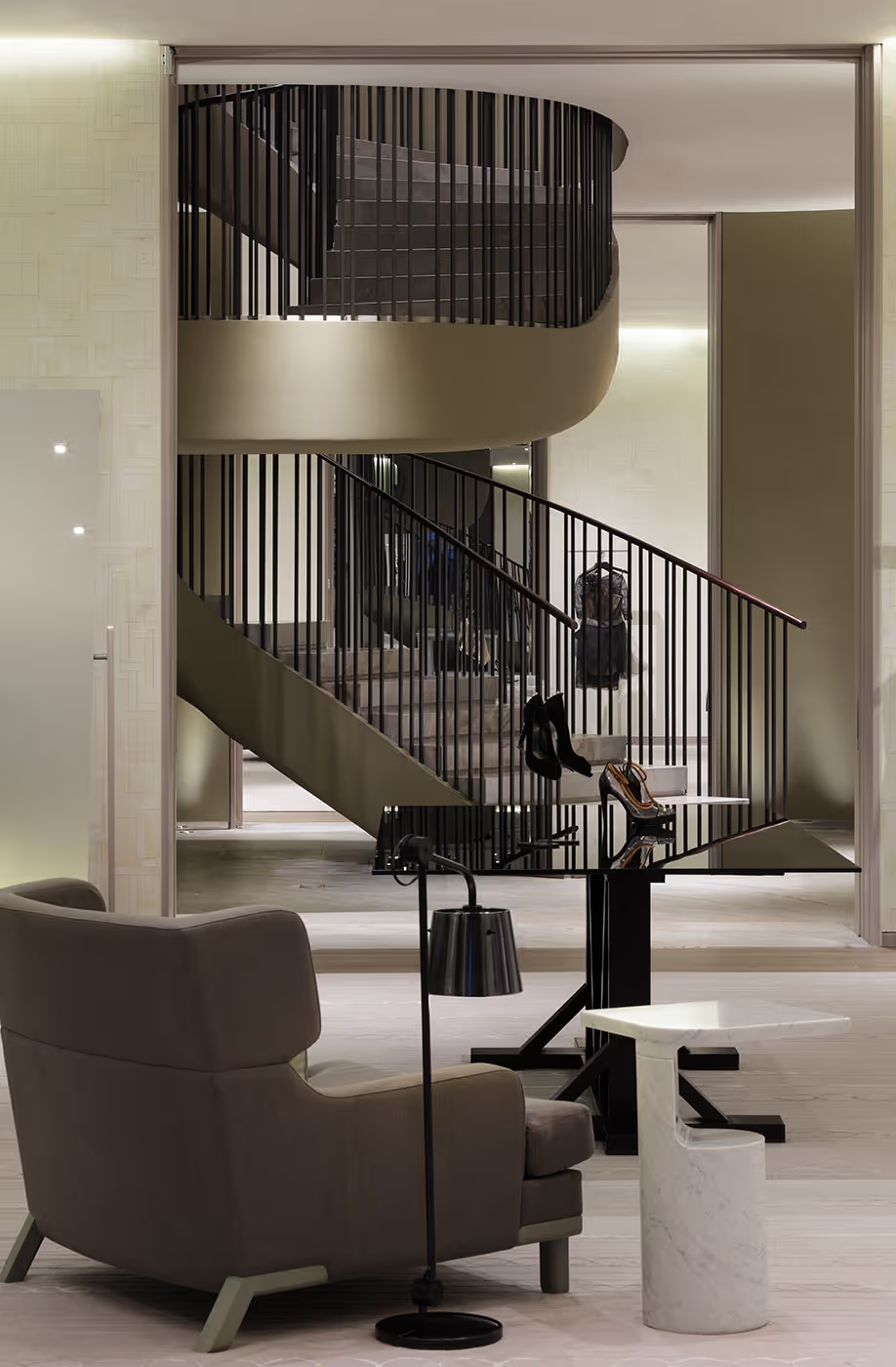
Created for a luxury-focused clientele, this multi-level store reimagines the retail experience as a penthouse setting. Oak, leather, and metal finishes anchor the interior, complemented by polished stone and sculptural details that echo the building’s architectural character. The atrium guides flow and connects retail floors, while modular merchandise displays adapt and shift seasonally. The result is a well-orchestrated environment that merges material precision with curated collective details.
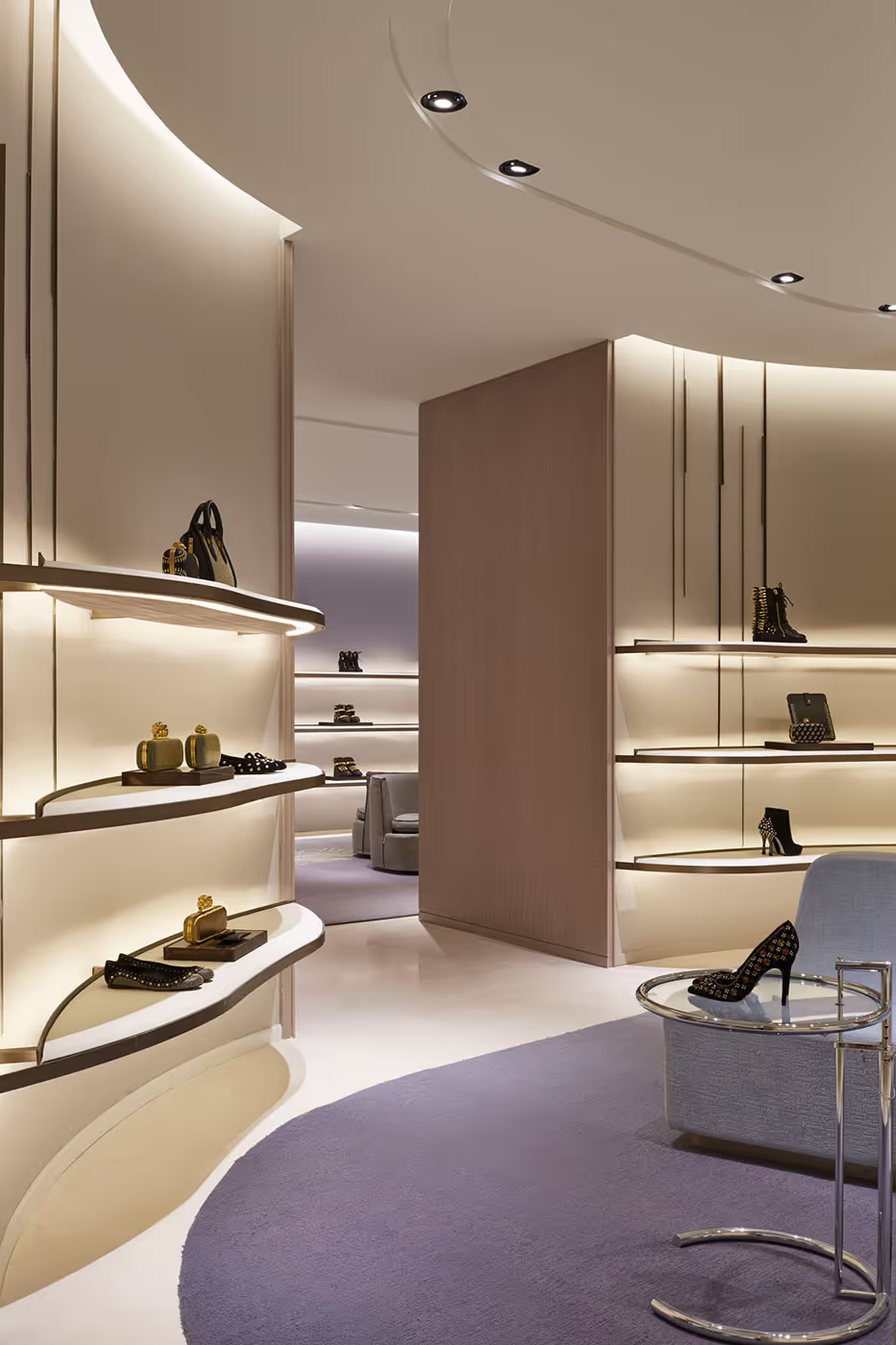
Shanghai Times Square 2014
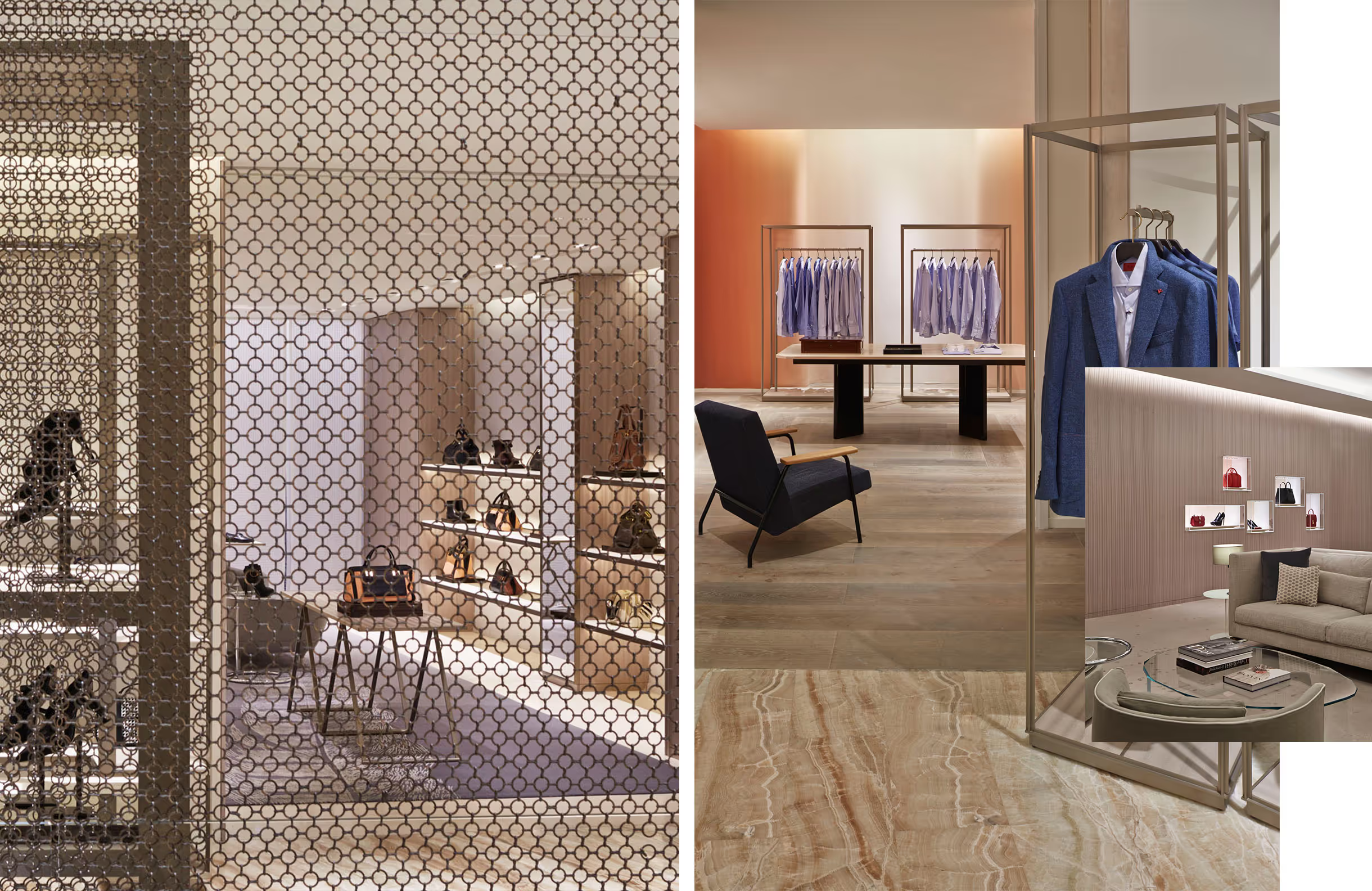
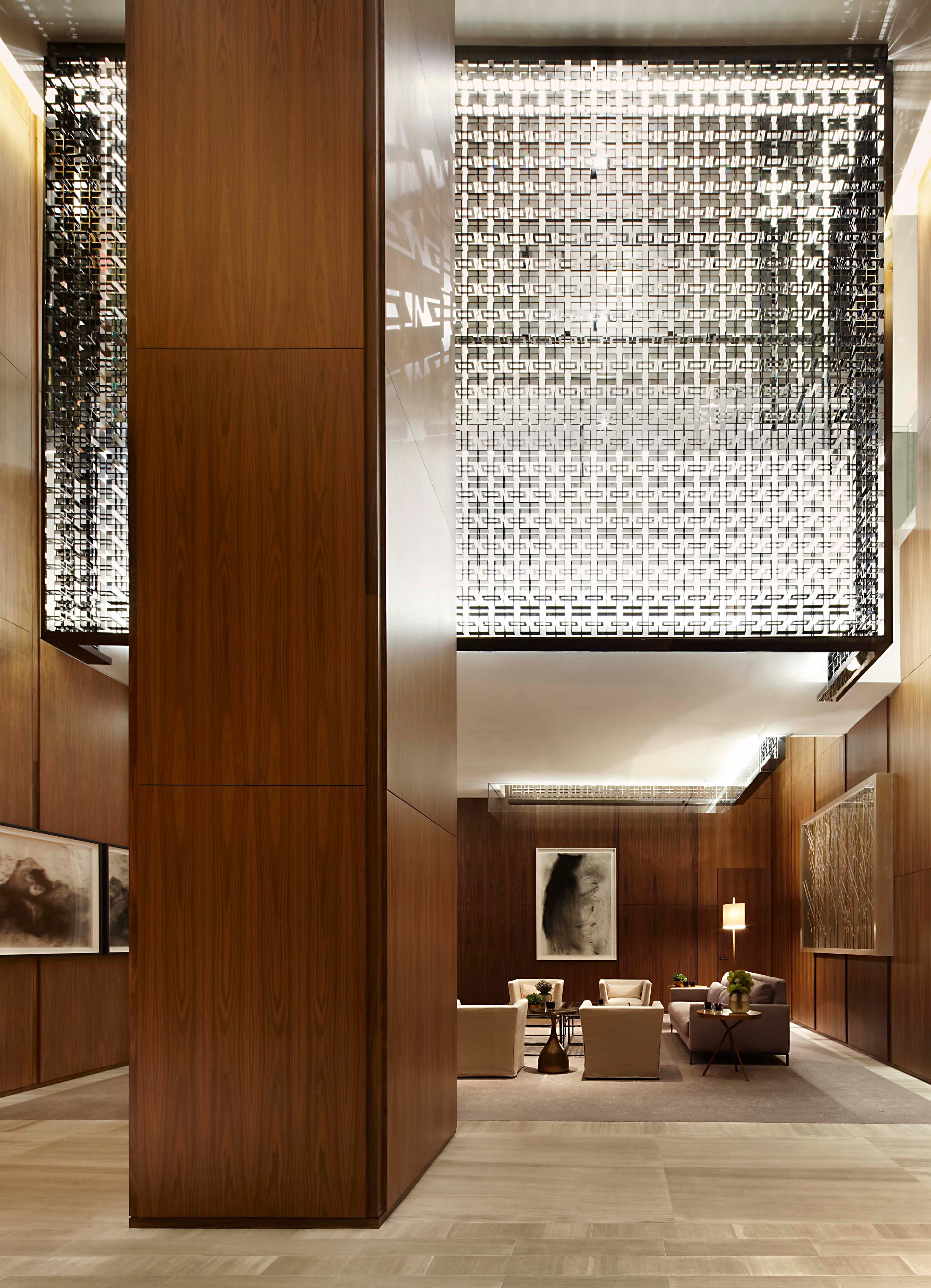
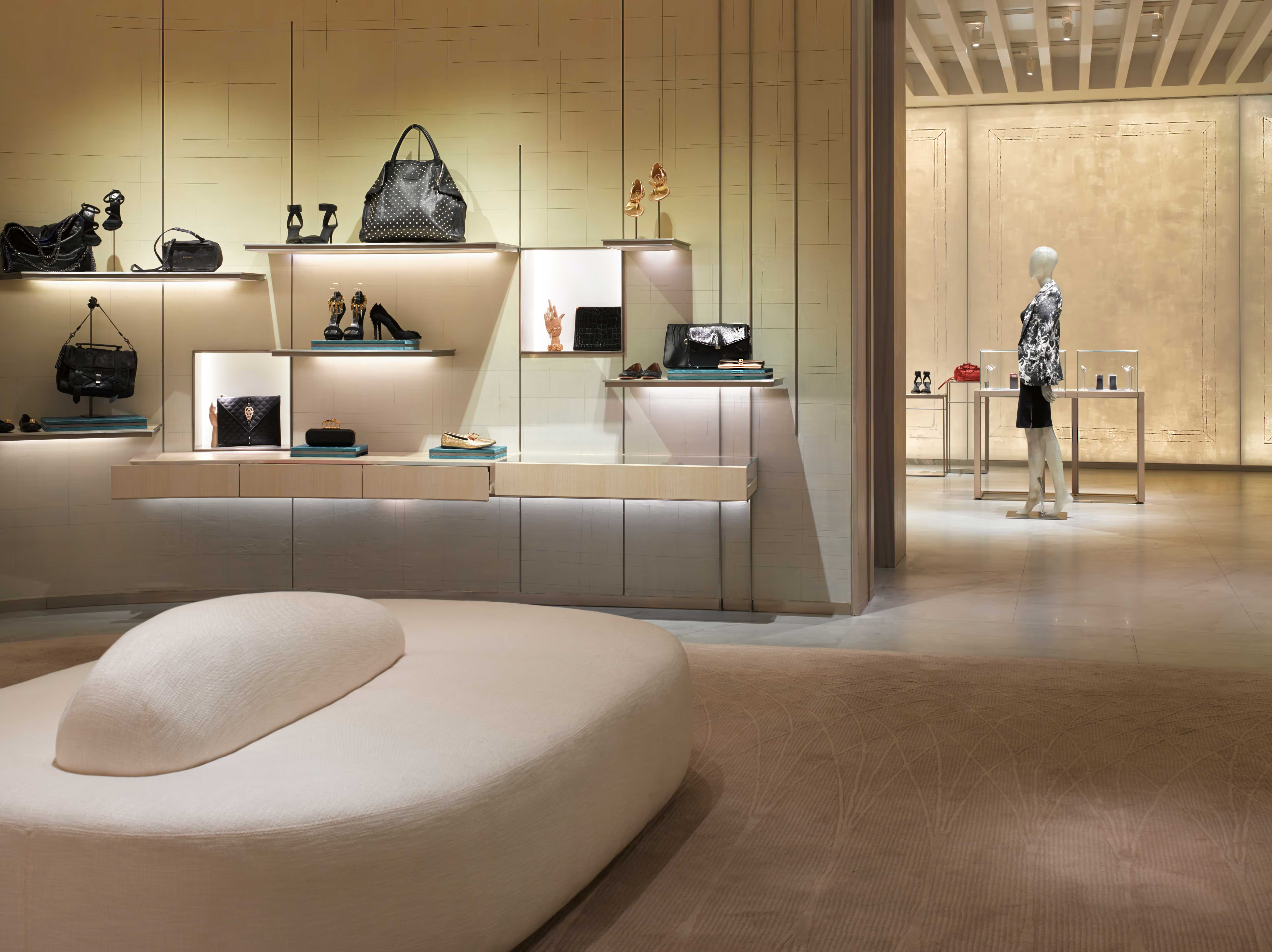
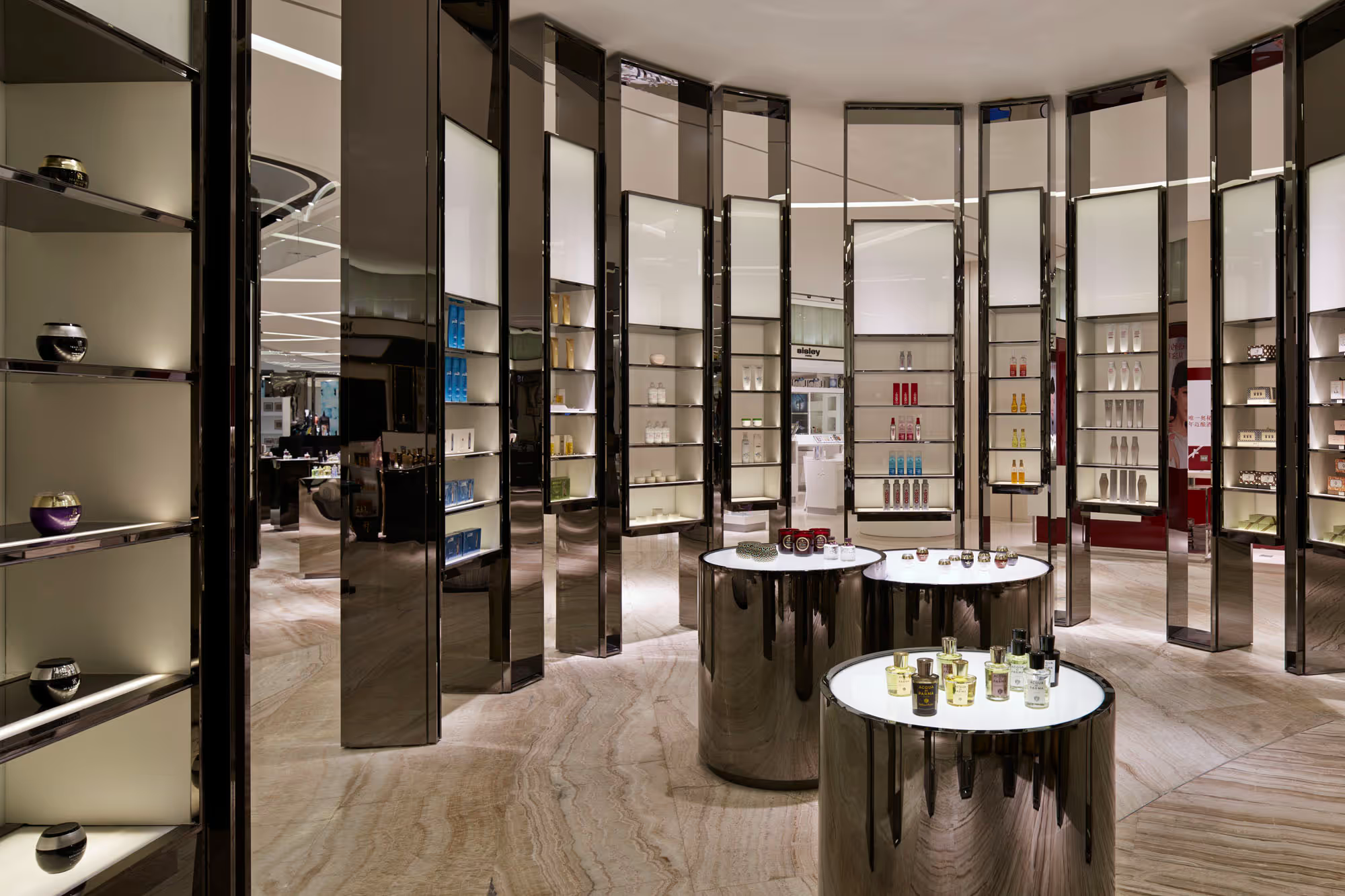
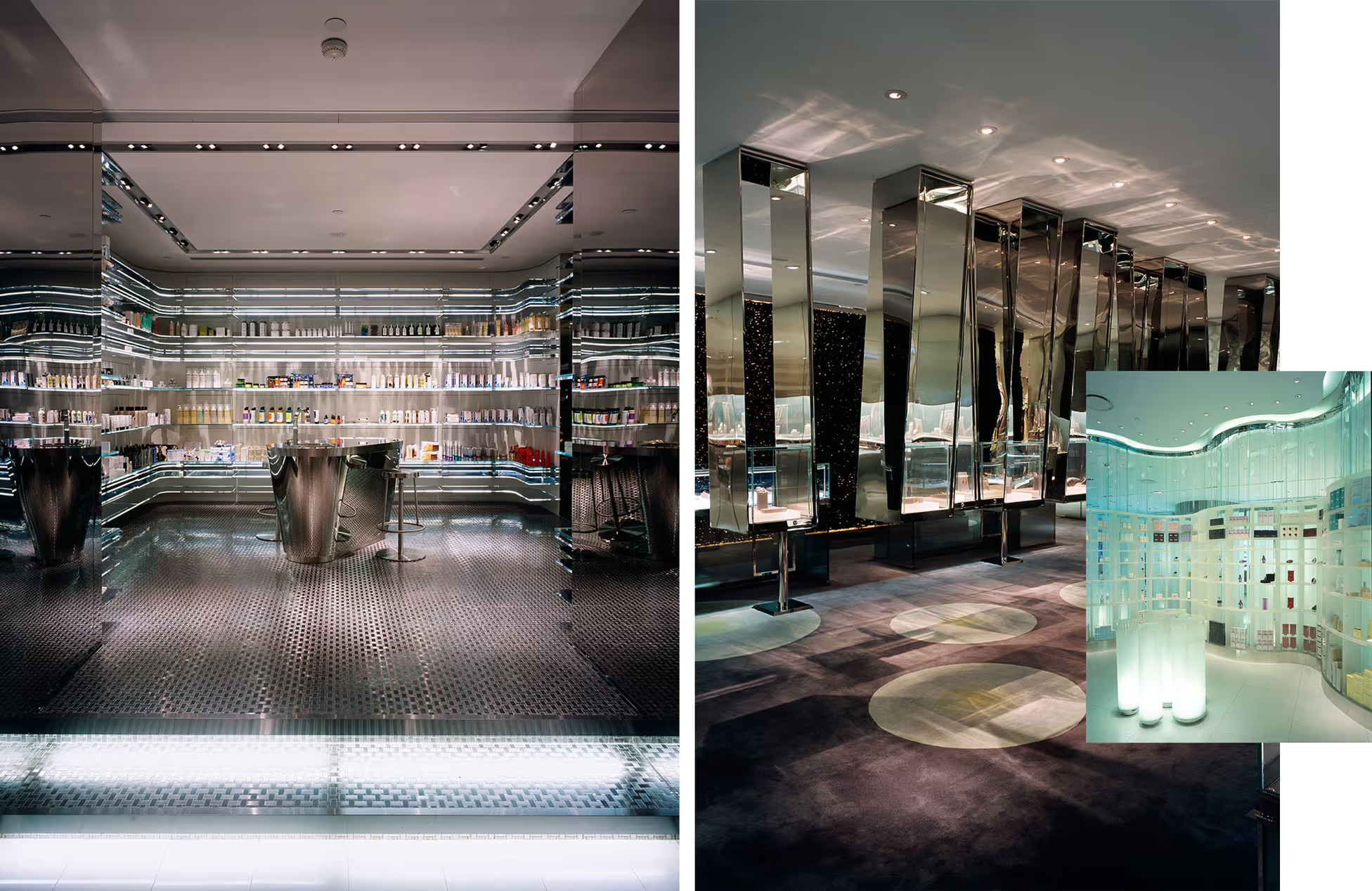
This 150,000-square-foot flagship marks the brand’s largest retail footprint to date. Designed as a curated home for fashion, accessories, and lifestyle, the store balances scale with intimacy through a sequence of connected rooms. English onyx and limestone convey material restraint complemented by muted neutrals and soft accents of blue and violet. Bespoke fixtures, sculptural forms, and rotating artwork guide movement and create visual connection across each level, shaping a journey with a sense of discovery.
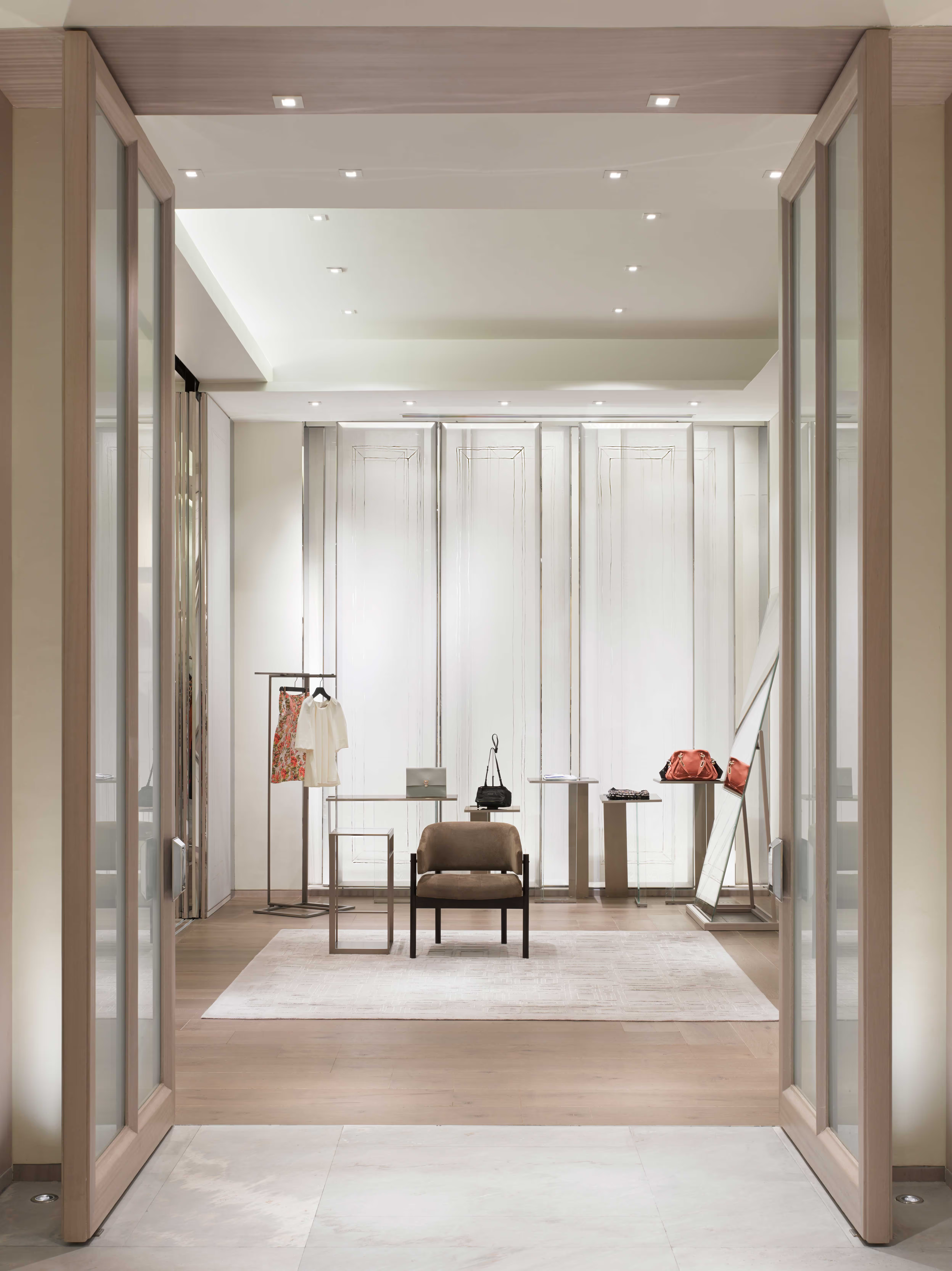
IFC Hong Kong 2015
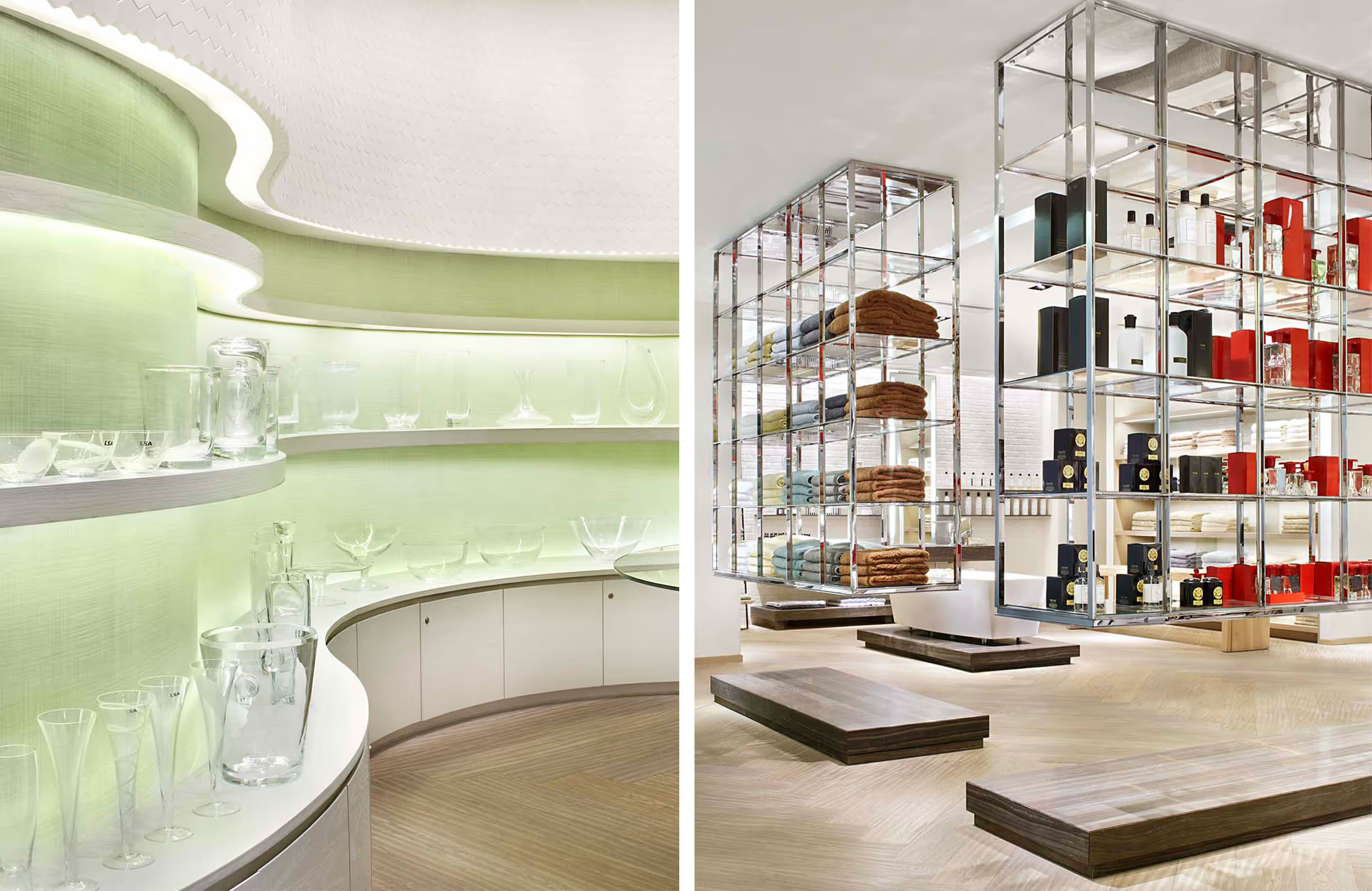
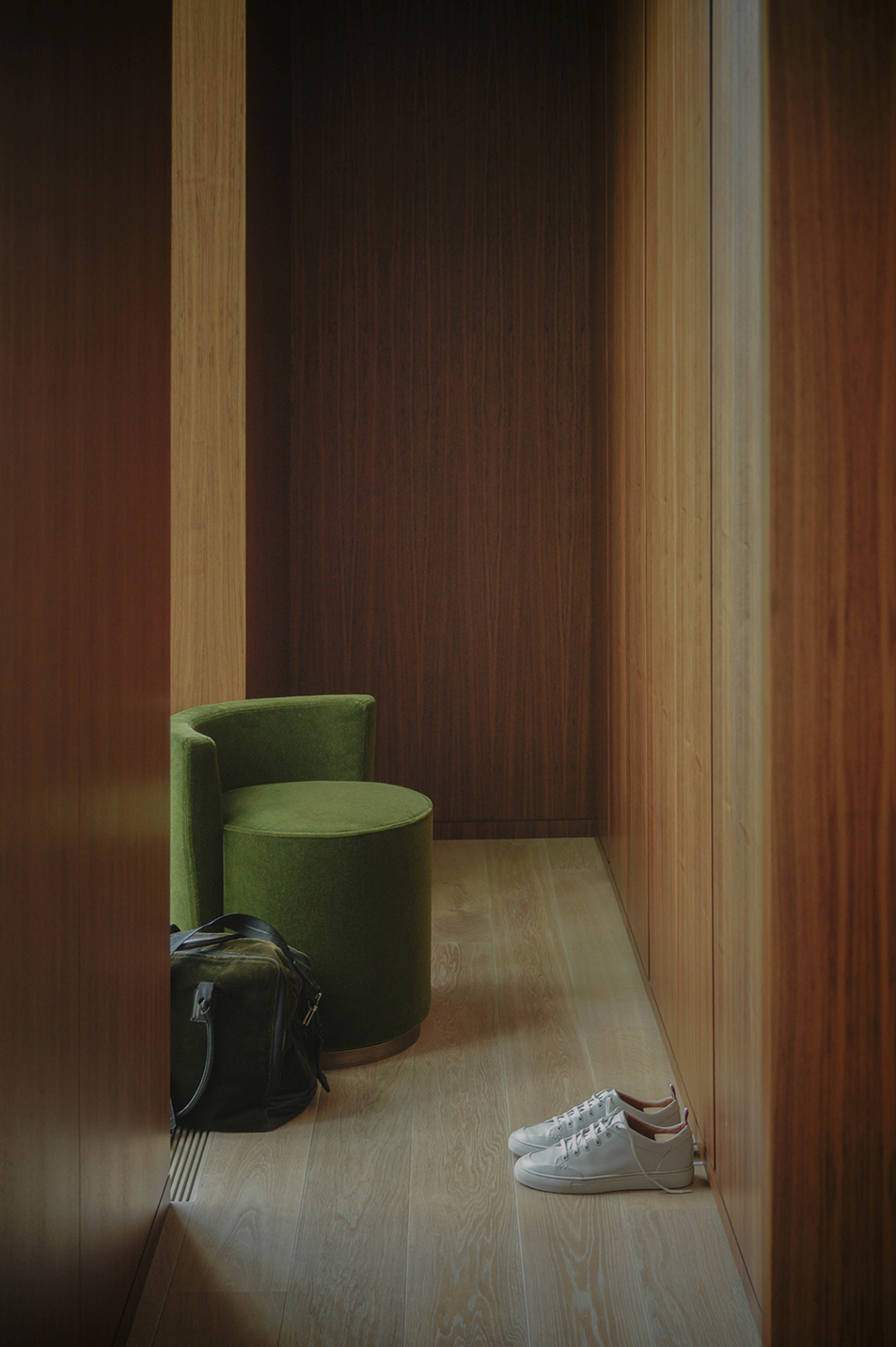
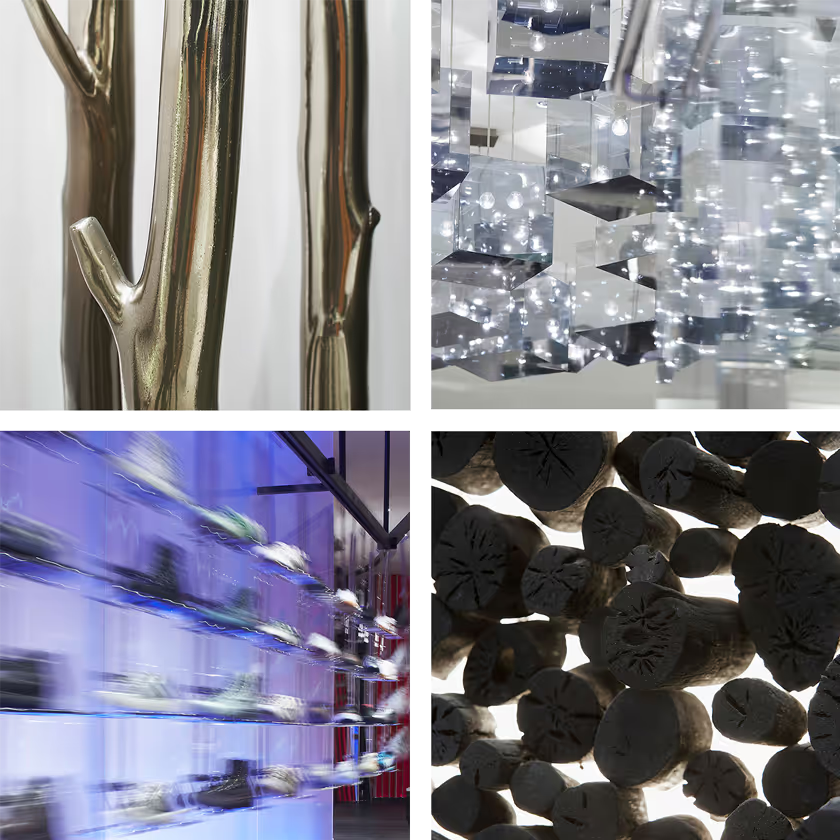
This 6,000-square-foot store reimagines the retail environment through a layered residential lens, balancing intimacy, adaptability, and material clarity. Each department is defined by finishes of limed oak, laminated wire mesh, copper, and mother of pearl, creating rooms that feel contemporary yet intimate. Womenswear unfolds across four rooms with bespoke fixtures that reference the building’s architectural form, while menswear introduces sculptural details and raw textural finishes. The environment echoes the brand’s evolving design language with quiet confidence.